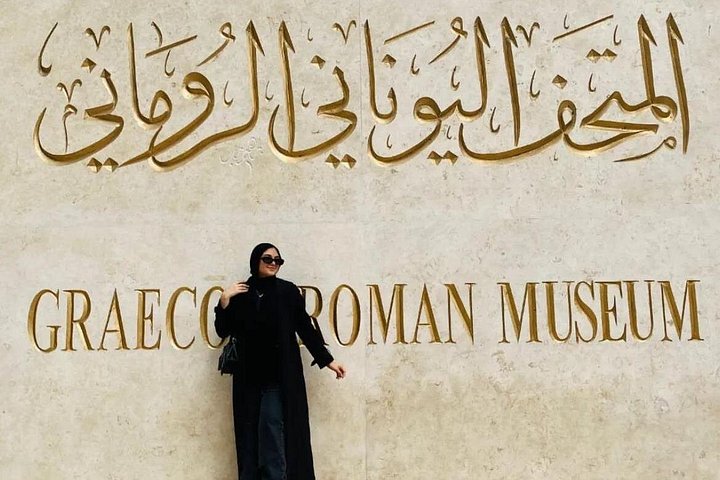
The Graeco-Roman Museum first opened in 1892 and later underwent a long restoration and expansion. It now welcomes visitors again with more than twenty-five galleries across two floors, covering the Greek and Roman eras through to the seventh century. Highlights include statues of Alexander the Great and the Ptolemaic rulers, Tanagra statuettes, the Crocodile Temple, mosaics, coins and glass, with newly designed displays and modern climate control. Galleries are arranged by theme, so you can follow religion, science, daily life and funerary art. Underwater finds recovered from the harbour add to the story. The museum stands a short walk from downtown, and it is smaller and more focused than the big Cairo museums, which many visitors find a relief.
Why it matters
For decades Alexandria's ancient treasures were largely out of sight, so the restored museum is a major event for the city. The building keeps its classical facade, while the interiors have been completely refreshed. Many pieces show the blend of Egyptian and Greek beliefs that defined the city, such as gods rendered in Greek style with Egyptian symbols.
Visiting well
Start on the ground floor and move upward in time. Give yourself at least ninety minutes, and longer if you enjoy reading labels. Quiet weekday mornings are the best for photographs and for enjoying the galleries without crowds. Opening days and hours can differ from other museums, so check before you go and carry some cash for the ticket.
Where it fits
It makes a natural pair with the Roman Amphitheatre and the National Museum, which are close together in the downtown area. A good plan is museum in the morning, a lunch of fresh seafood and a walk to the Corniche. Tours that include the Greek and Roman Museum often combine it with the Library and the catacombs for a full day of the city's ancient past.
What to expect
The experience
A self-guided visit through themed galleries of Greek and Roman sculpture, mosaics, coins and everyday objects.
Best time
Weekday mornings, when the galleries are quiet.
How long
Ninety minutes to two hours.
Tips
Check the opening days, bring some cash for the ticket, and allow time for the upper floor.
Quick picks
- Best for
- Anyone who wants to see real objects from the Ptolemaic and Roman city.
- Families
- Works for older children who like statues and ancient coins, less so for toddlers.
- Couples
- A cool, quiet culture stop before a seafront lunch.
- Pair with
- The Roman Amphitheatre and the National Museum nearby.
- Time needed
- Up to two hours.
Good questions
Is the Graeco-Roman Museum open to visitors?+
Yes, it is open after a long restoration, with refreshed galleries. Check the venue's website for current opening days before you go.
What is in the collection?+
Statues of Alexander and the Ptolemies, Tanagra figurines, mosaics, coins, jewellery and underwater finds. It also covers the Crocodile Temple, religion, science and daily life.
How long should I allow?+
Plan on ninety minutes to two hours. Keen history fans can spend longer.
Is it better than the National Museum?+
It has the richer ancient collection, while the National Museum offers a broader timeline. If you have time, see both.
What is the best time to visit?+
Weekday mornings are quietest. Check the museum's opening days before you go.