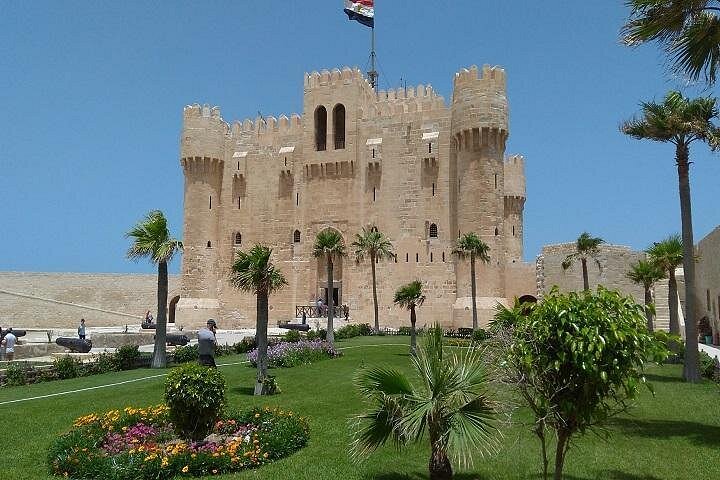
Rosetta, known in Arabic as Rashid, is a small port town in the Nile delta, a drive of roughly an hour and a half east of Alexandria along the coast road. It was a wealthy trading town in the Ottoman centuries, when ships carried goods between the Nile and the sea, and it still keeps a quarter of brick merchant houses with carved wooden screens, painted ceilings and inner courtyards. The town is best known for the Rosetta Stone, the inscribed slab found nearby by French soldiers in 1799 and later the key to reading hieroglyphs. The stone itself is in the British Museum, so what you see here is the place, not the object: a fort at the river mouth where it was discovered, old houses, mosques and the working river with its fishing boats and date palms. A guided day trip handles the road, explains the history and links the stops, and you return to Alexandria in the afternoon.
What the day looks like
The tour collects you in Alexandria and drives east through farmland and fishing villages toward the river mouth. Typical stops include one or two restored Ottoman merchant houses, a historic mosque, the old mills and the fort that guards the river, followed by a walk along the Nile bank where the water is wide and slow.
Rosetta is a working town, not a polished heritage site, so expect narrow lanes, busy traffic and everyday life alongside the monuments. Lunch is usually in town, and fish from the river mouth is a local specialty.
Practical points
Allow a full day, since the round trip takes several hours by road. Opening hours of the houses and museums vary by day, and some may be closed or under restoration, so a guide who knows the current situation is useful. Wear comfortable shoes for uneven pavements, carry water and a hat, and dress modestly for the mosques. The summer heat can be strong, and spring and autumn are more comfortable. Check the inclusions and the pickup details when you choose a date, because itineraries differ between operators.
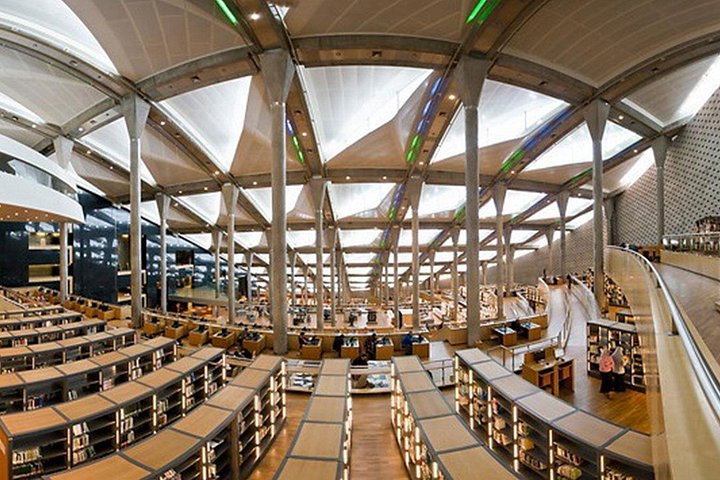
Is it worth it? Yes for travellers who enjoy Islamic-era architecture, small-town atmosphere and a story that links Egypt to the decipherment of hieroglyphs. It is a quieter day than El Alamein or the desert monasteries, and it suits people who have already seen the headline Alexandria sights. If you only have two days in the city, spend them on the Library, the Citadel, the catacombs and the museums first, and save Rosetta for a third day.
What to expect
The experience
A guided full-day drive east along the coast to Rosetta, with stops at Ottoman merchant houses, a mosque, the river fort and the Nile bank.
Best time
Spring and autumn, when the day is mild and walking the old lanes is comfortable.
How long
A full day, with several hours on the road.
Tips
Wear comfortable shoes, dress modestly for the mosques and ask the guide which houses are open on your day.
Quick picks
- Best for
- Travellers who like old architecture and quiet towns, and anyone curious about the Rosetta Stone story.
- Families
- Fine for older children who can handle a long car day and enjoy a boat-and-river setting.
- Couples
- A slow, atmospheric day with few crowds and good river-fish lunches.
- Pair with
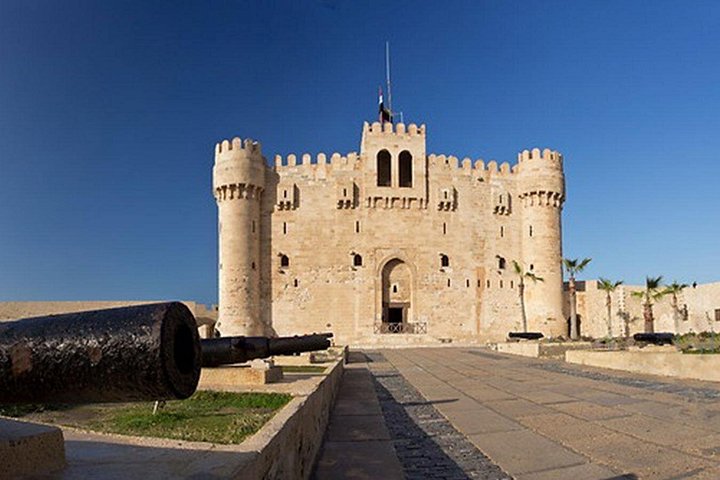
- A sunset on the Alexandria Corniche or the Citadel of Qaitbay on your return.
- Time needed
- One full day.
Good questions
Can I see the Rosetta Stone in Rosetta?+
No. The stone is held in the British Museum in London. In Rosetta you see the town and river fort near where it was found in 1799, plus Ottoman-era houses and mosques.
How far is Rosetta from Alexandria?+
Roughly an hour and a half by road to the east, so plan a full day for the round trip including stops and lunch.
What will I see there?+
Typically restored merchant houses, a mosque, the old mills, the fort at the river mouth and the Nile waterfront, though exact stops vary by operator.
When is the best time to go?+
Spring and autumn are the most comfortable. Summer is hot, and winter days can be breezy and cool.
Is it better than El Alamein?+
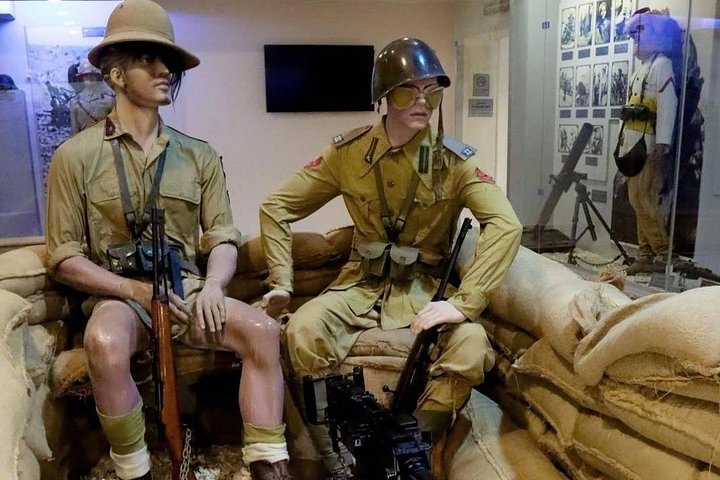
They are different. Rosetta suits architecture and town life, while El Alamein suits Second World War history and open coast. Choose by interest.