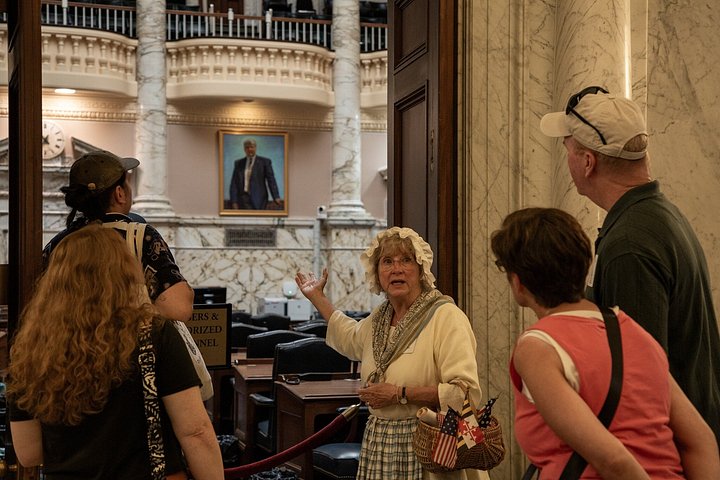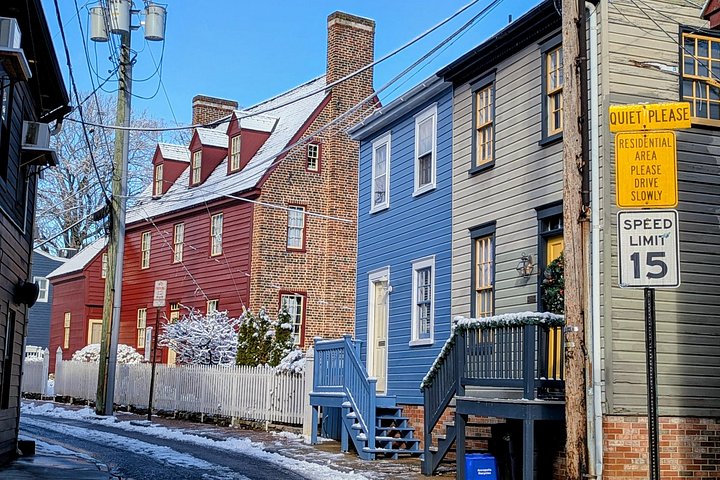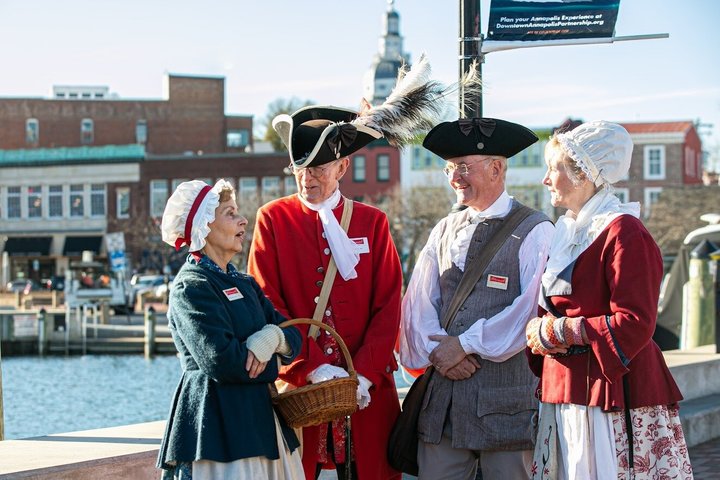
Annapolis was one of the principal ports of entry for enslaved Africans in colonial Maryland, and the harbor beneath the brick sidewalks has a painful history. A heritage walking tour turns that history into a clear narrative. Starting near City Dock and the Kunta Kinte-Alex Haley Memorial, a guide explains how the port functioned, what life was like for the enslaved and free Black residents of the town, and how the community resisted and built institutions of its own. The route passes buildings, streets and sites associated with that story and links them to national events. The tour also looks at the people who shaped the town's Black history. Thurgood Marshall, who argued the case that ended school segregation, worked as a lawyer in Maryland and has a memorial near the State House. Frederick Douglass was born on the Eastern Shore and spent his early years in Maryland, and his story is told in the region's museums. Guides discuss the free Black communities, churches and craftspeople who built Annapolis as well as the legal system that limited them.
Tours of this kind are thoughtful rather than sensational. Expect a measured, factual narrative with room for questions, and some stops that are sombre. The pace is easy, the group is small, and walking distances are short, usually about a mile over about two hours. The format works well for visitors of all ages, though younger children may need preparation for the subject matter.
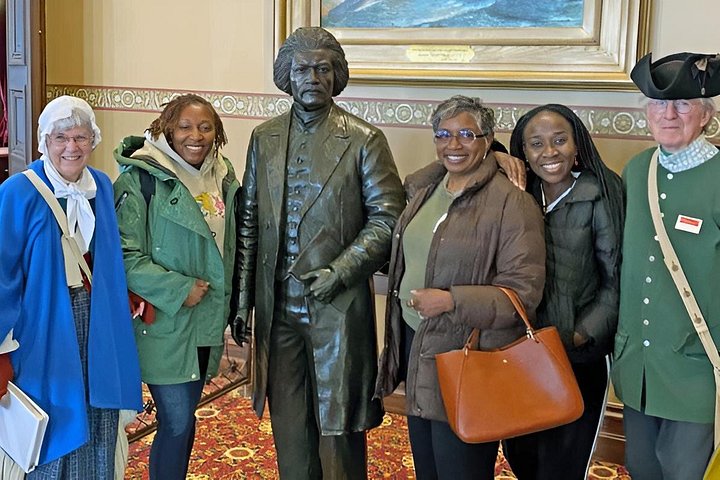
The best preparation is to read a little before you go and to visit the Banneker-Douglass Museum, the state's museum of African American history and culture, if time allows. Pair the walk with the Kunta Kinte-Alex Haley Memorial and a visit to the State House, where the Marshall statue stands. Afterward, a long lunch on Main Street gives you time to reflect. The conversation these sites provoke is one of the more rewarding parts of a visit to a town so often presented through its colonial elegance alone.
Practical notes
Tours run on set days and times, so check the schedule in advance and book ahead on weekends. Wear comfortable shoes for brick paving and light hills, and bring water in summer. The route is mostly outdoors, with little shelter if it rains, so carry an umbrella in wet weather. Several stops are exterior views only, but guides use photographs and stories to bring them alive.
Context helps. Maryland was a slave state that stayed in the Union during the Civil War, and Annapolis was shaped by both its enslaved labor force and its sizeable free Black community. After emancipation, Black residents built churches, schools and businesses that anchored neighborhoods such as the area near Clay Street, and the twentieth century brought the legal fights that changed the country.
Guides draw on documents, photographs and oral histories, so the tour is as much about people as about buildings. Questions are welcome, and the best groups are those where visitors listen closely, share reflections and leave with a longer reading list.
Follow the tour with a quiet moment at the dock memorial, where the sculpture of a reading figure and a small group of listeners invites reflection, and consider spending time at one of the local bookshops to find titles on Maryland history. Many visitors say the walk changed how they saw the rest of the town, making the colonial houses and the waterfront more complicated and more human.
What to expect
The experience
A guided walk through the history of enslaved and free Black Annapolis, from the harbor to civil-rights figures.
Best time
Mornings are cool and quiet; summer afternoons can be hot.
How long
Around two hours at an easy pace.
Tips
Wear comfortable shoes, bring water and consider reading about Thurgood Marshall beforehand.
Quick picks
- Best for
- History lovers and anyone who wants a fuller picture of Annapolis beyond its colonial polish.
- Families
- Best for older children and teenagers; some themes are heavy.
- Couples
- A meaningful shared experience that sparks conversation.
- Pair with
- The City Dock memorial, the State House and Main Street.
- Time needed
- Two hours, plus time to reflect.
Good questions
What does the tour cover?+
The slave-trade port, free and enslaved Black residents, and figures like Thurgood Marshall tied to Annapolis.
Is it suitable for children?+
Teenagers and older children usually do well. Themes are serious, so younger children may need preparation.
Where does it start?+
Usually near City Dock, but check your confirmation for the exact meeting point.
How long does it take?+
About two hours on foot, with short distances and a gentle pace.
Is there a museum to pair with it?+
The Banneker-Douglass Museum in Annapolis tells Maryland's African American story in more depth.