The Chimera, known in Turkish as Yanartaş or burning rock, is one of the strangest sights on the Turquoise Coast. On a hillside above the coast near the village of Çıralı, small flames flicker from cracks in the rock and have done so for thousands of years. They are fed by natural gas seeping from the ground, which ignites on contact with the air, and they burn all day and all night, though they are far more visible after dark. In ancient times they were linked to a legend: the Chimera was a fire-breathing monster with a lion's head, a goat's body and a serpent's tail, killed by the hero Bellerophon, and the flames were said to be the beast's dying breath. A short, steady walk uphill from the car park brings you to the flames, and many people bring snacks to enjoy the show, with the glow of the fires against the night sky. Nearby, the Olympos ruins sit among a green valley by the sea, and the pebble beach at Çıralı is a good place for a swim.
The flames themselves
They appear as clusters of small fires rather than a single blaze, burning from vents in the rock across a sloping area. Visiting at dusk lets you see them as the light fades, and many tours time the stop for this reason. The walk from the car park takes roughly twenty to thirty minutes on an uneven, partly stepped path, so you should wear closed shoes and bring a torch or use your phone light for the way down.
The site is exposed and the ground is rocky, so it is not an ideal stop for visitors with limited mobility. Do not throw anything into the flames, and keep children close.
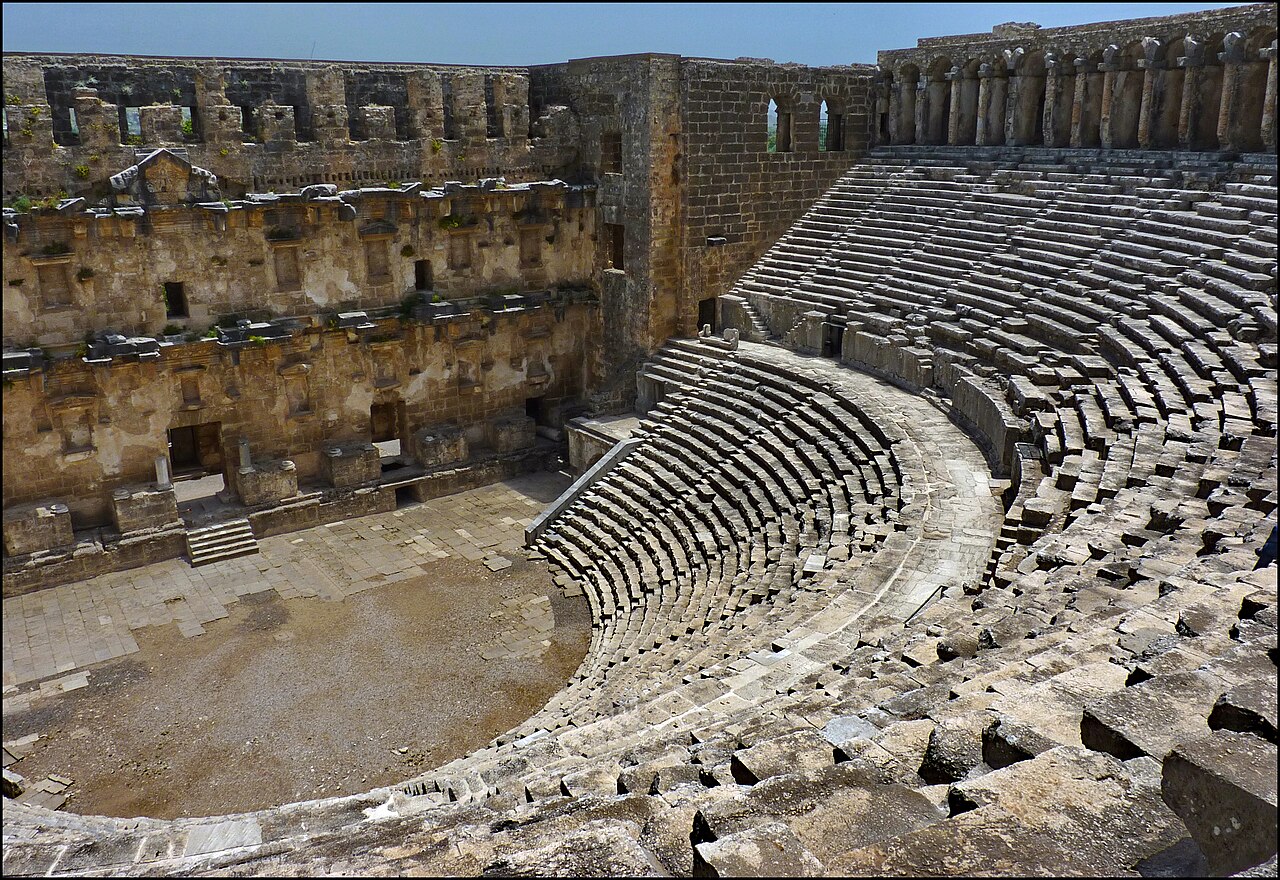
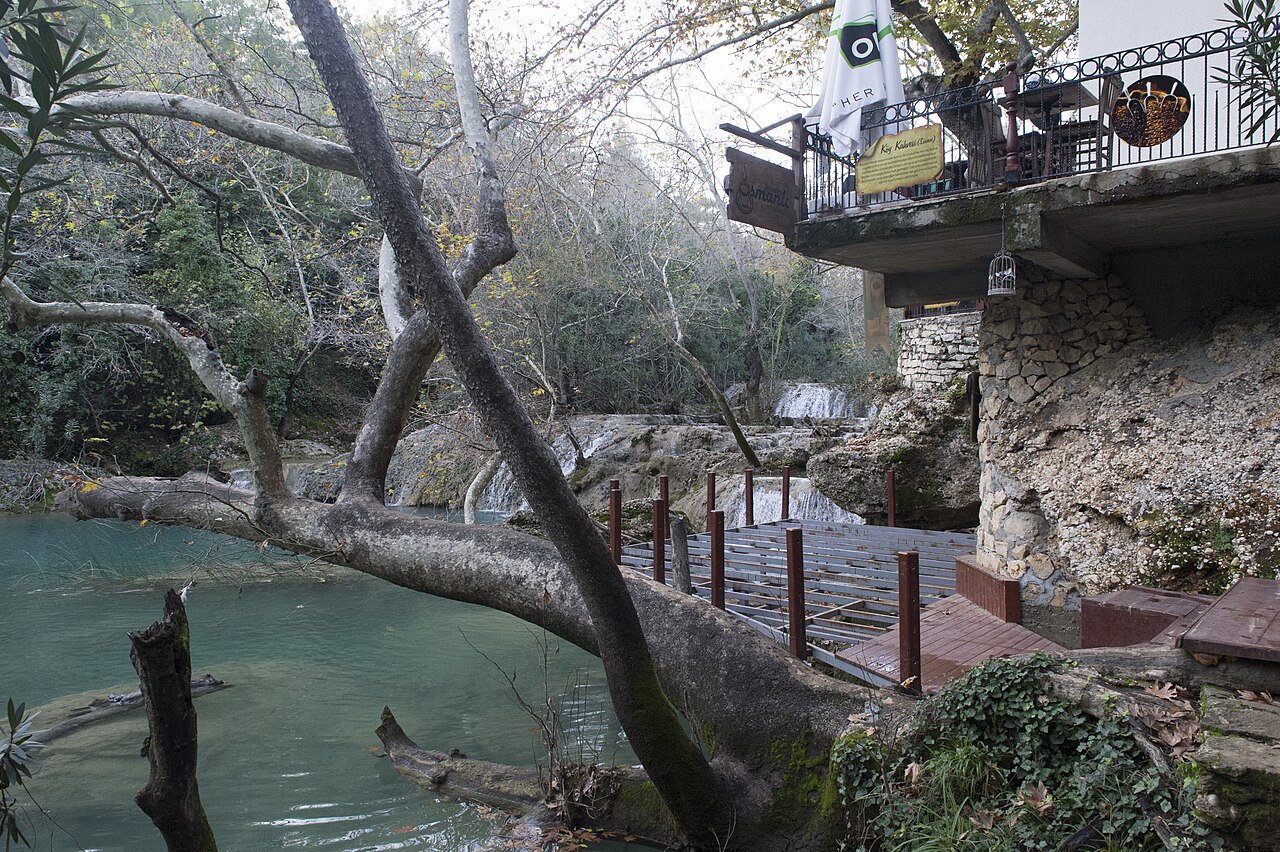
Olympos and Çıralı: the ruins of the ancient Lycian city of Olympos lie in a river valley that reaches the sea at a long pebble beach, close to Çıralı. Gates, a theatre, baths, tombs and a necropolis are scattered among laurel and pine, and the setting is beautiful, with the ruins half-hidden in the forest.
The beach is protected nesting ground for sea turtles, so some areas are managed with limits on lights and activity at night. Çıralı is a small, quiet village with pensions and restaurants, a contrast with the resort towns north of it.
How to visit
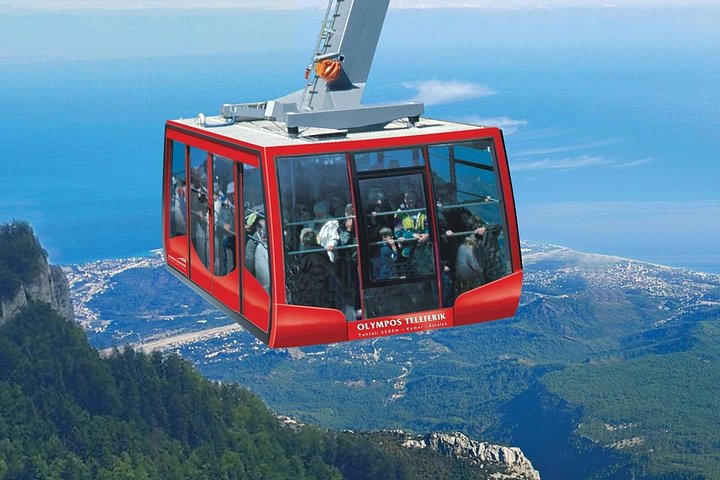
The most straightforward way is on an organised day trip that combines the flames with Phaselis, Olympos beach or the Tahtalı cable car, as these places lie along the same stretch of coast road. Independent travellers can drive south from Antalya and Kemer, or stay a night in Çıralı to see the flames in the evening without rushing. Check entry arrangements and opening hours locally, as there may be a small fee, and note that the best time for viewing is after dark.
Seasons
Spring and autumn are the most pleasant times for walking, and the flames can be seen year-round. In summer the day is hot, so the evening visit is a relief. In winter, rain can make the path slippery, and the evenings are chilly, so bring a layer.
For a full coastal day, pair Phaselis in the morning, a swim at Olympos in the afternoon and the flames at dusk. Treat the evening as an outing rather than a spectacle: the flames are modest in size, but the setting, the myth and the night air make the visit memorable.
What to expect
The experience
A short uphill walk from a car park to small natural gas flames on the mountainside, often combined with the Olympos ruins and beach and other stops on the coast road.
Best time
Dusk and after dark, when the flames glow most clearly. Spring and autumn are the most comfortable seasons.
How long
One to two hours at the flames; a full-day tour adds Phaselis, Olympos or the cable car.
Tips
Wear closed shoes, bring a torch or phone light for the descent, and carry water. The path is uneven and rocky.
Quick picks
- Best for
- Anyone curious about myth, geology and an unusual evening outing.
- Families
- Children enjoy the flames, but the path is rocky and dark on the way down, so hold hands.
- Couples
- Flames against the night sky, then a quiet dinner in Çıralı.
- Pair with
- Phaselis in the morning and a swim at Olympos beach in the afternoon.
- Time needed
- Two hours for the flames and walk, or a full day with other coastal stops.
Good questions
What are the Chimera flames?+
Natural gas seeping through cracks in the rock ignites in the air and burns continuously on a mountainside near Çıralı.
When is the best time to see them?+
After sunset, when the fires are brightest. They burn all day, but the glow is much clearer in the dark.
How hard is the walk?+
It is a steady twenty to thirty minute walk uphill on an uneven path with steps. Wear closed shoes and use a light on the way down.
Can I swim nearby?+
Yes, the pebble beach at Olympos and Çıralı is a good place for a swim. The beach is also a protected turtle nesting area, so follow local guidance.
Can I combine it with Phaselis?+
Yes. Many day tours link the two with Olympos beach, because they lie along the same coast road.