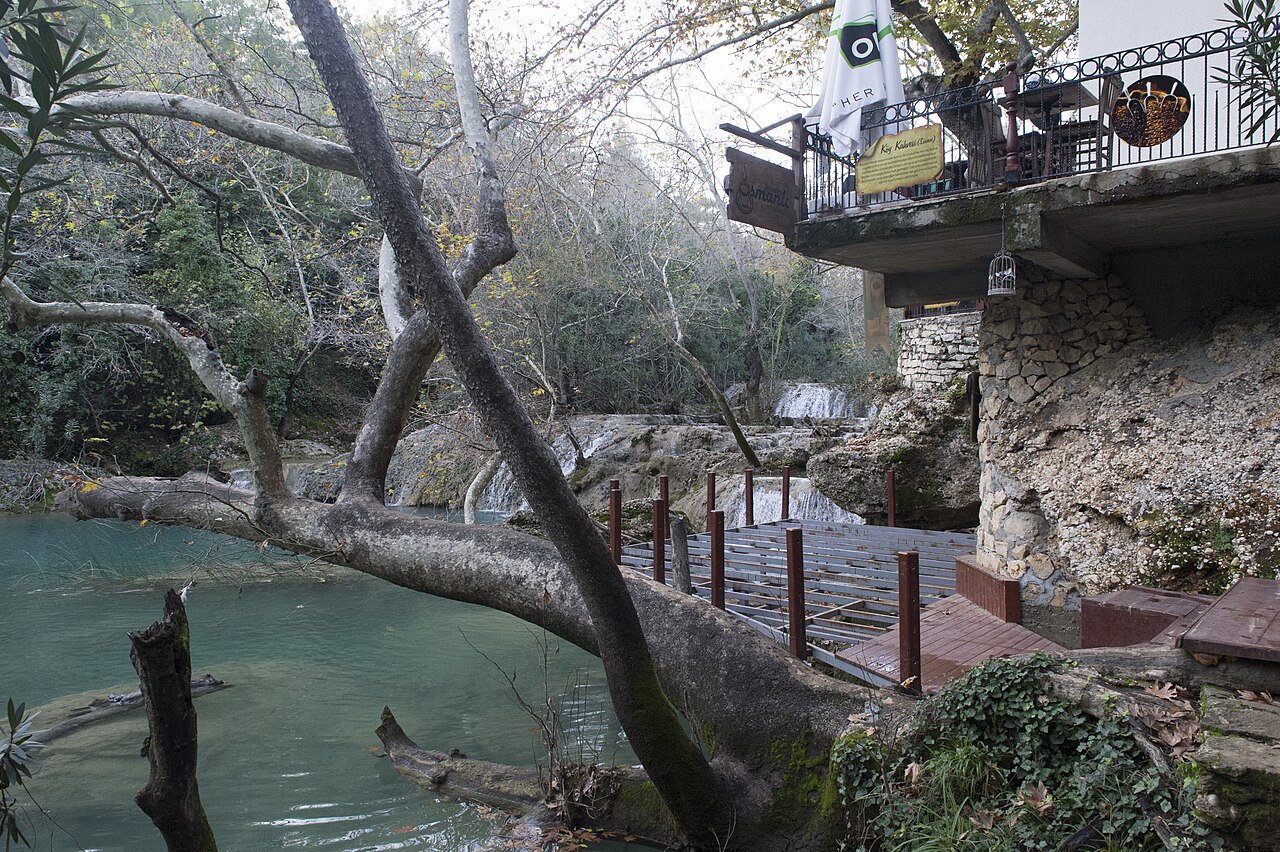
Phaselis is one of the most pleasant ancient sites on the Turkish coast because the ruins and the sea are part of the same visit. Founded by Greek settlers from Rhodes in the early centuries before the Christian era, the city grew rich as a trading port at the edge of what later became Lycia, thanks to three natural harbours that gave ships shelter in almost any weather. The ruins lie in a pine-covered peninsula roughly an hour's drive south-west of Antalya, beyond Kemer, inside a protected coastal park. A broad Roman main street, once lined with shops, runs between the northern and southern harbours, and along it you pass the remains of baths, an agora, a small theatre, a long aqueduct and the foundations of temples and houses. Everything is shaded by trees and framed by turquoise water, and the paths are short and gentle. Many people spend a couple of hours with the stones and then swim in one of the bays, which is the reason Phaselis feels more relaxed than inland sites.
Layout
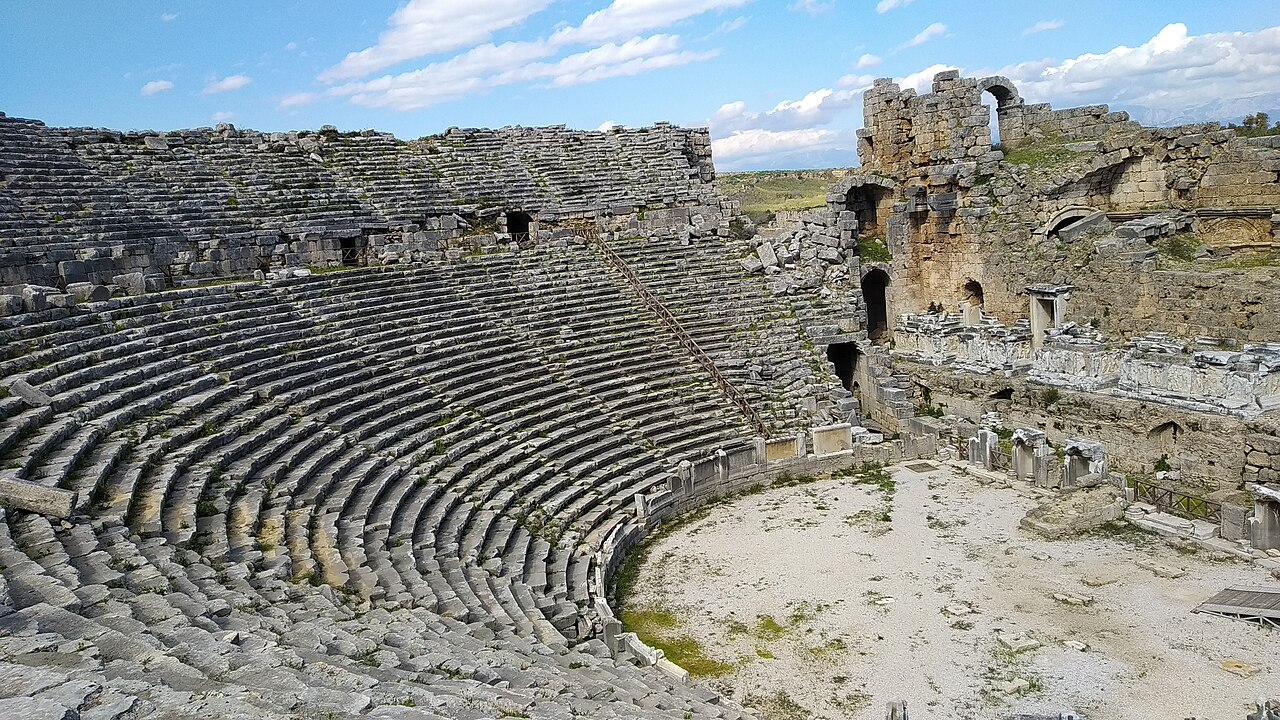
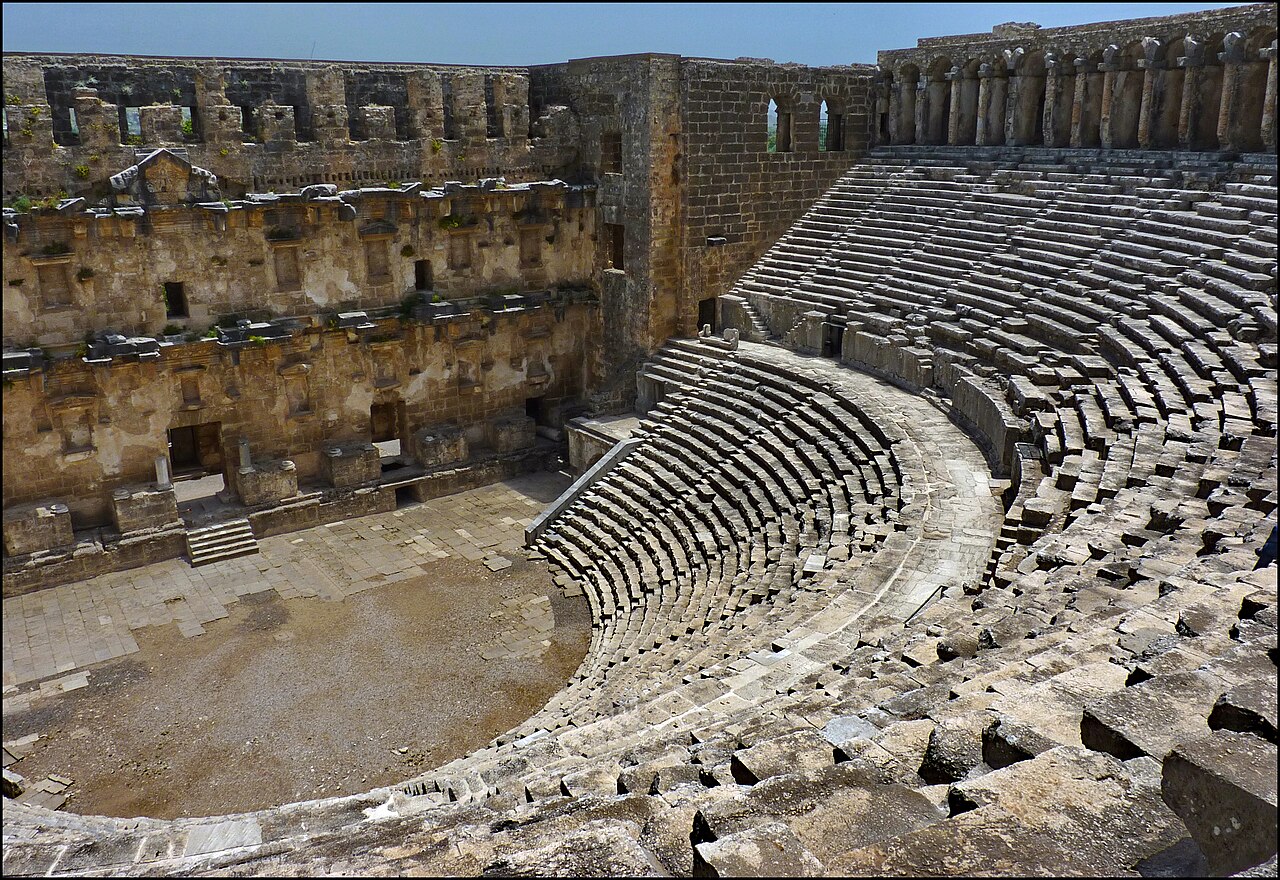
The site is compact and easy to read. From the entrance you walk toward the central colonnaded street, with the main harbour at one end and the smaller bays on either side. The theatre sits on a rise overlooking the sea, the aqueduct arches out of the forest behind the ruins, and the old harbour walls can still be seen.
Information panels explain the main buildings in English, and a guide helps tie the pieces together, since the city changed hands many times, from Persian and Greek control through the Hellenistic and Roman periods to the Byzantine era, before it was gradually abandoned.
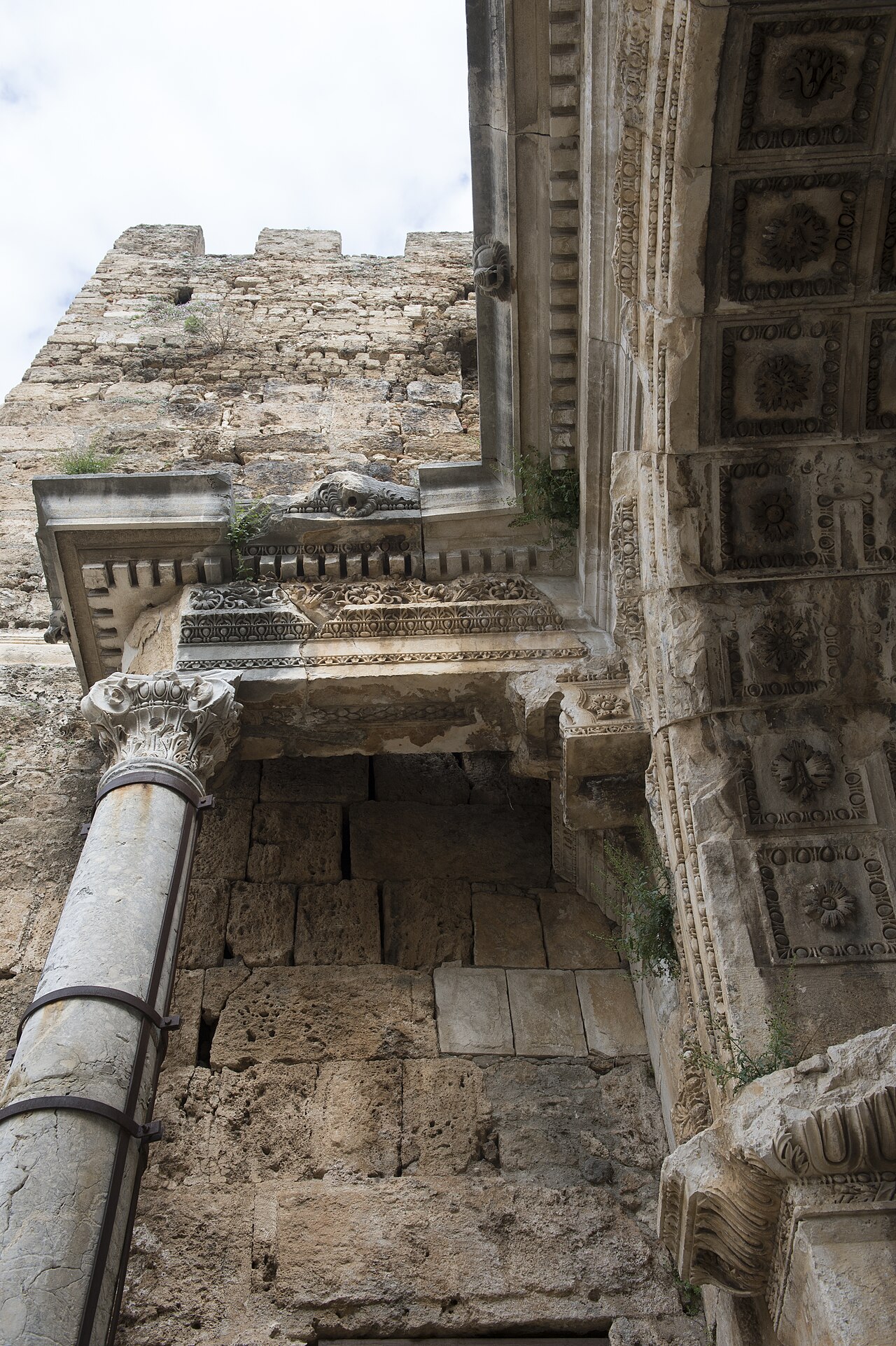
A short history lesson helps. Phaselis was known as a port that did business with many cultures and was sometimes politically independent. The Roman emperor Hadrian is associated with a visit, which is why a monumental gate and other structures are linked to his stay. Later pirate raids and changing trade routes reduced its importance, and the city was left to the forest. That unfinished, overgrown feel is a large part of its charm today.
Swimming and seasons
Bring swimwear and sandals, as the bays are pebbly in places and the water is clear and calm. In spring and autumn the temperature is ideal for walking, and in high summer the shade of the pines makes it one of the more comfortable archaeological stops on the coast. Take a hat and water in any case. Facilities are simple, so do not count on a large cafe at the ruins, and check entry arrangements locally.
How to combine it
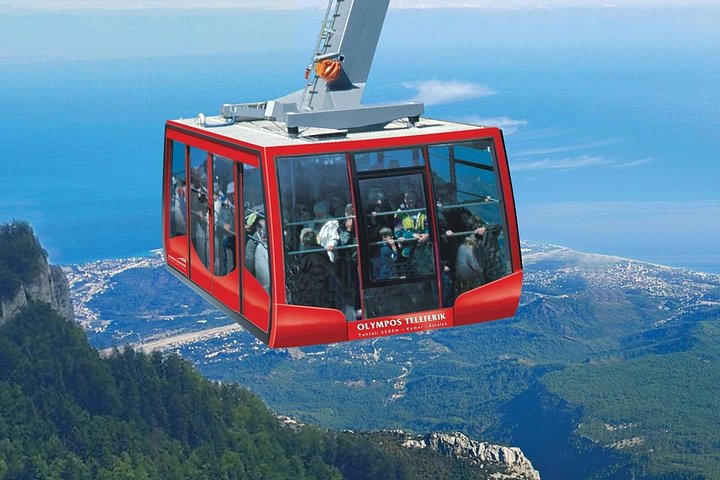
Phaselis often forms part of a day trip that also visits the Tahtalı cable car, the Chimera flames near Çıralı or the beach at Olympos, because they all lie along the same stretch of coast. Some day tours link Phaselis with a mountain ride on the same itinerary, which makes for a varied day without much driving.
Independent visitors can drive or take a bus toward Kemer and continue by taxi. Either way, allow a half day to enjoy both the history and the sea without rushing. Photographers will enjoy the early light across the harbour walls, and anyone who likes quiet corners can wander beyond the main street to find overgrown foundations and tombs among the trees.
What to expect
The experience
A walk along the ancient Roman street between three small harbours, with stops at the theatre, aqueduct and baths, usually followed by a swim in one of the bays.
Best time
Morning in spring or autumn for the softest light, or any time in summer when the pines give welcome shade.
How long
Two hours for the ruins, three to four with a swim, or a full day when combined with the cable car and a beach.
Tips
Bring swimwear, water shoes for the pebbles, sun protection and a hat. Facilities are simple, so carry water and a snack.
Quick picks
- Best for
- Anyone who wants ruins and a swim in the same stop, especially families and mixed-interest groups.
- Families
- Short, shaded paths and calm bays make it one of the easiest ancient sites for children.
- Couples
- Late morning among the stones, then a quiet swim in a sheltered bay.
- Pair with
- The Tahtalı cable car, the Chimera flames and Olympos beach on the same stretch of coast.
- Time needed
- Half a day on its own, a full day combined with other coastal stops.
Good questions
How far is Phaselis from Antalya?+
It is roughly an hour's drive south-west of the city, beyond Kemer, so most visitors go on a half-day or full-day tour or by hired car.
Can you swim at Phaselis?+
Yes. The ruins are beside three bays with clear water, and swimming after the walk is a big part of the appeal. Bring swimwear and water shoes.
What is there to see?+
The main colonnaded street, a small theatre, baths, an agora, an aqueduct and the old harbour walls, all set among pine trees.
Is Phaselis suitable for children?+
Yes. The paths are short and mostly flat, there is shade, and the bays are calm, which makes it one of the more family-friendly ancient sites.
Can I combine it with other sights?+
Often. Day tours pair it with the Tahtalı cable car, the Chimera flames or Olympos beach, which all lie along the same coast road.