Antalya has a Mediterranean climate with long, hot summers and mild, wetter winters, and the best time to go depends on what you want to do. The coast is rarely unpleasant for long, but the difference between a comfortable day at Aspendos and a punishing one can be as simple as the month. Here is how the year breaks down.
Spring (April to May): the sightseeing sweet spot
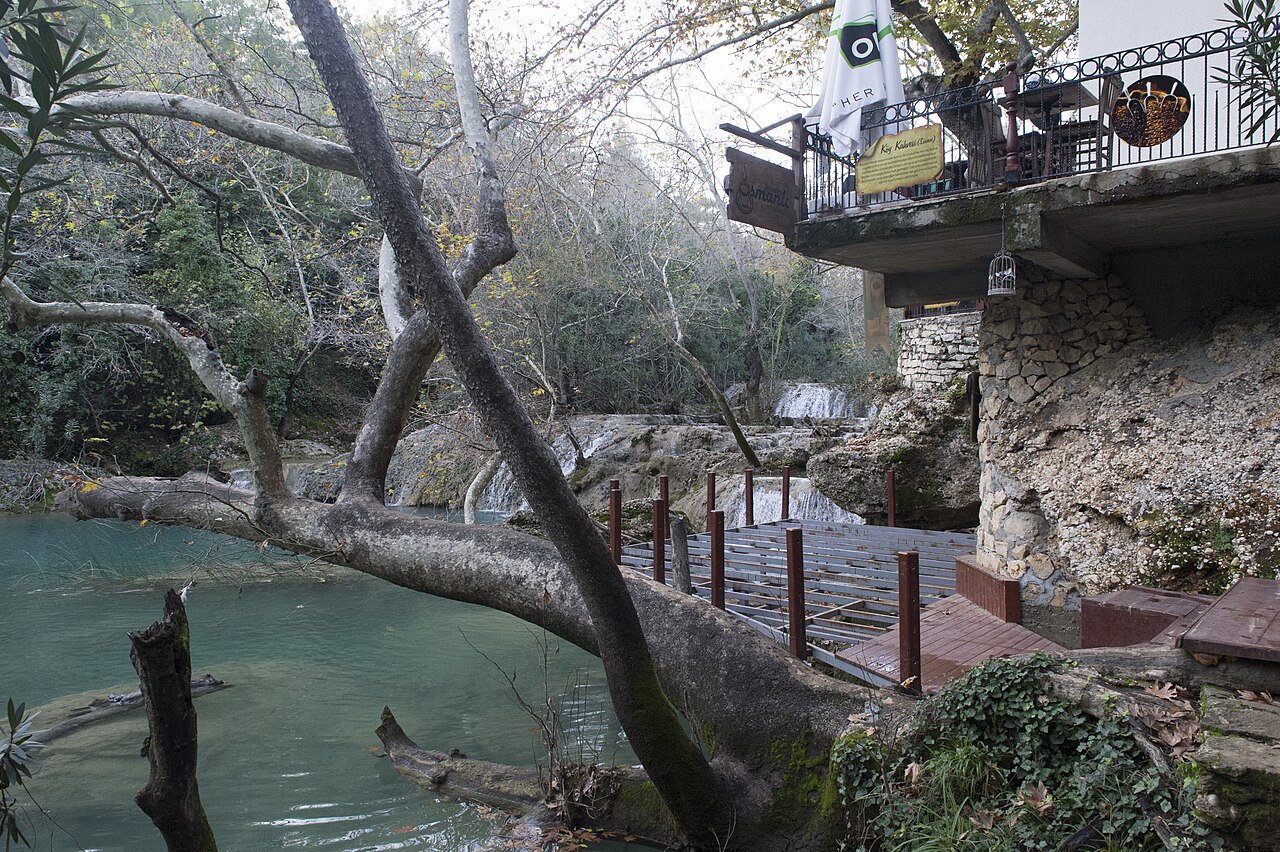
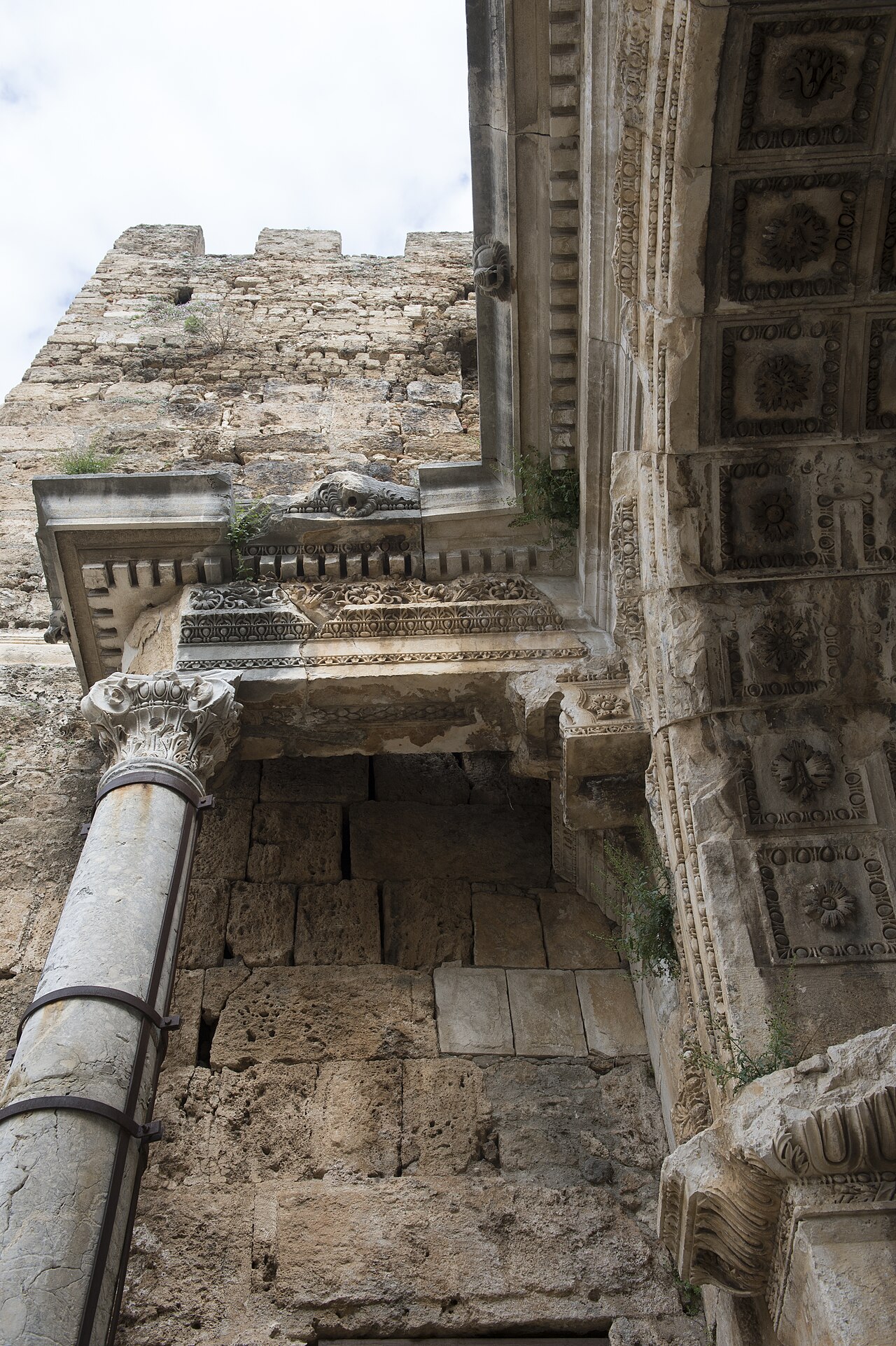
Days are warm without being hot, the countryside is green and flowers are in bloom around the ruins. It is an ideal season for Perge, Aspendos, Termessos and the old town, because you can walk for hours in comfort and the crowds are smaller than in summer. The sea is still cool, so swimming is for the hardy, though hotel pools may be open. The waterfalls are at their fullest after winter rain, and the Köprülü rafting season is under way. Snow can linger on the high peaks, and the Tahtalı summit can be bright, cold and clear.
Early summer (June): warm and lively
The sea warms up, boats run daily and the days are long, but the heat starts to build. This is a good compromise month for travellers who want both sightseeing and swimming. Start ancient-site visits early. Festivals and performances in the Roman theatres are often held in the warmer months, so check what is on when you plan.
High summer (July and August): beach season
Expect heat and humidity, strong sun and the busiest crowds and prices of the year. This is the season for boat days, island trips, Green Canyon, the cable car for cooler air and water parks. Plan sightseeing for the early morning, rest in the middle of the day and go out again in the evening. Book popular tours and the best old-town rooms well in advance. If you do not like the heat, this is not the season for Termessos or Perge in the afternoon.
Autumn (September to October): warm sea, softer light
Many people consider this the best time of year. The sea is at its warmest after the summer, the heat eases and the light is soft, so it is ideal for both swimming and sightseeing. Crowds thin out in October and prices ease. Boat trips and island days are still running, and rafting is possible into early autumn. It is a particularly good season for couples and for travellers who want a mix of beach and culture.
Late autumn and winter (November to March): quiet and mild
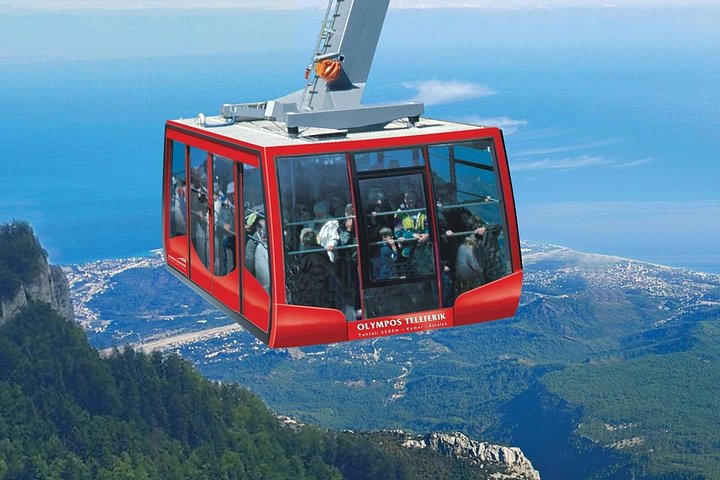
Daytime temperatures are pleasant for walking, the ancient sites are quiet and the old town is easy to enjoy, but the weather can turn rainy and the sea is cool. Some seasonal hotel pools close, boat trips run less often and a few beach facilities scale back. On the other hand, the waterfalls are full, the mountains may have snow and you can ride the Olympos cable car to a white summit while the coast stays mild. This is a good season for history lovers, spa days and travellers on a budget.
Choosing by goal
For ruins and walking, choose spring or autumn. For beaches and boats, choose June to September, with September the most comfortable. For waterfalls and green landscapes, choose late winter to spring. For quiet and lower prices, choose the cooler months. Families with school-age children are often tied to the summer holidays, in which case plan active days early and indoor or water activities for midday.
Packing
In summer bring light clothing, sun protection, a hat, sandals and a swimsuit. In spring and autumn add a light jacket for evenings and the mountains. In winter bring a waterproof layer and sturdy shoes, as the old-town cobbles are slippery when wet.
Weather risks
Strong winds or rough seas can cancel boat trips at any time of year, so build flexibility into your schedule. Thunderstorms are more common in the cooler months, and summer heat waves can make midday outings unwise. Always check the forecast before a long day trip, and have an alternative plan.
Crowds and prices
Demand peaks in the school holidays and in July and August, when old-town rooms and the most popular tours fill early. The shoulder months of April, May, September and October balance good weather with easier availability, and the winter months offer the best prices. If you can choose your dates, aim for the shoulder months and keep a couple of flexible days in your plan for weather.
Daylight and heat
In summer the sun is strong from mid-morning, so plan outdoor sights early. In winter the days are shorter, so start ancient-site trips on time to finish before dusk. Whatever the season, carry water and sun protection, because the Mediterranean light is stronger than many visitors expect.