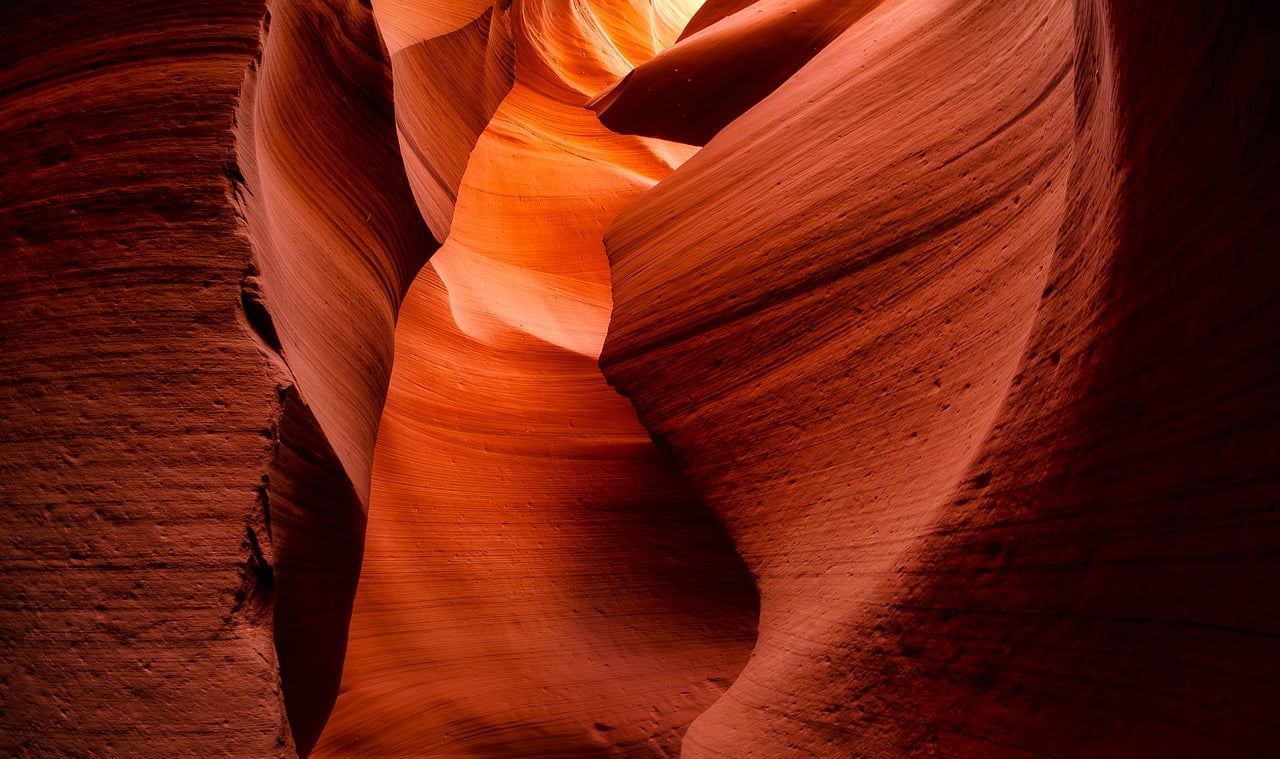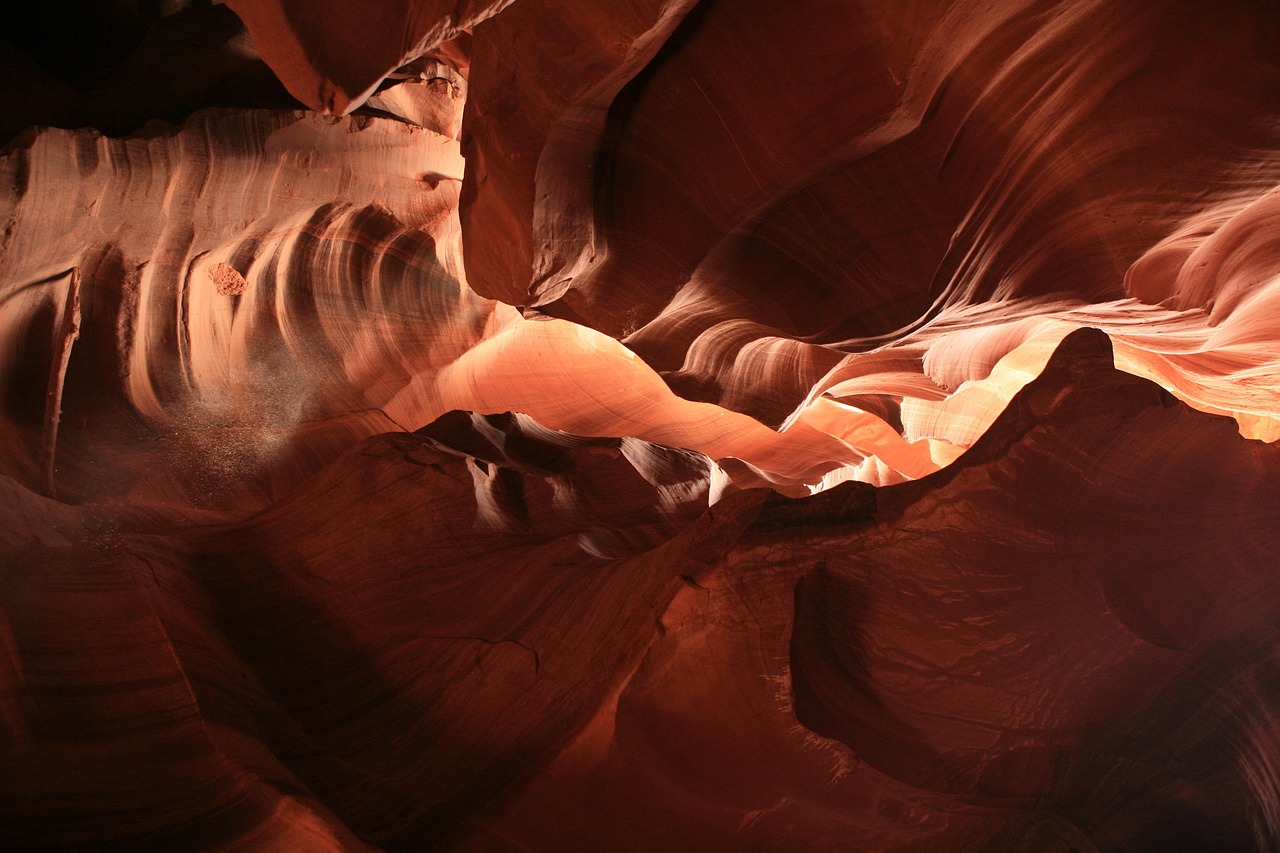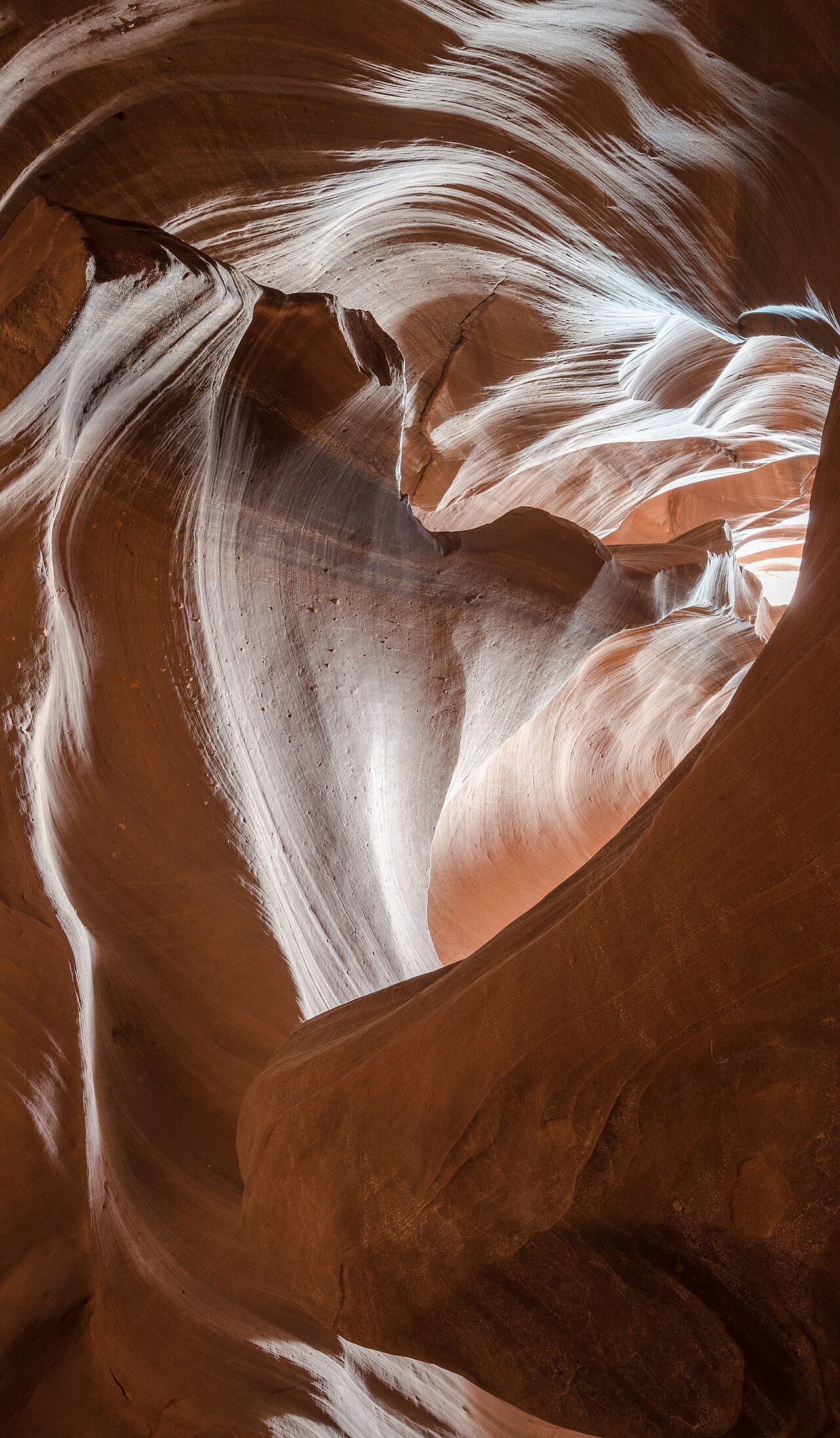
Upper Antelope Canyon — Tsé bighánílíní, "the place where water runs through rocks" — is the image your phone already knows: flame-colored Navajo sandstone sculpted into waves and curtains, and in the late-spring-through-summer midday window, the light beams — solid-looking shafts dropping through ceiling slots into drifting sand, the most famous photograph in the canyon world. The experience is a guided walk, not a hike: Navajo-authorized operators shuttle groups from Highway 98 to the canyon mouth, then lead a quarter-mile corridor that stays level the whole way (the V-shaped canyon is wider at the floor), narrating geology and pointing out the formations and the exact spots your camera wants. Rules are real: guided access only, no tripods, no bags; tours time-slot around the beams and sell out weeks ahead in season. It is the glamour canyon — the one with the beams, the crowds, and the price to match — and this market's canyon guide tells you honestly whether it or its cheaper, quieter siblings is your canyon.
A slot canyon is flash-flood architecture
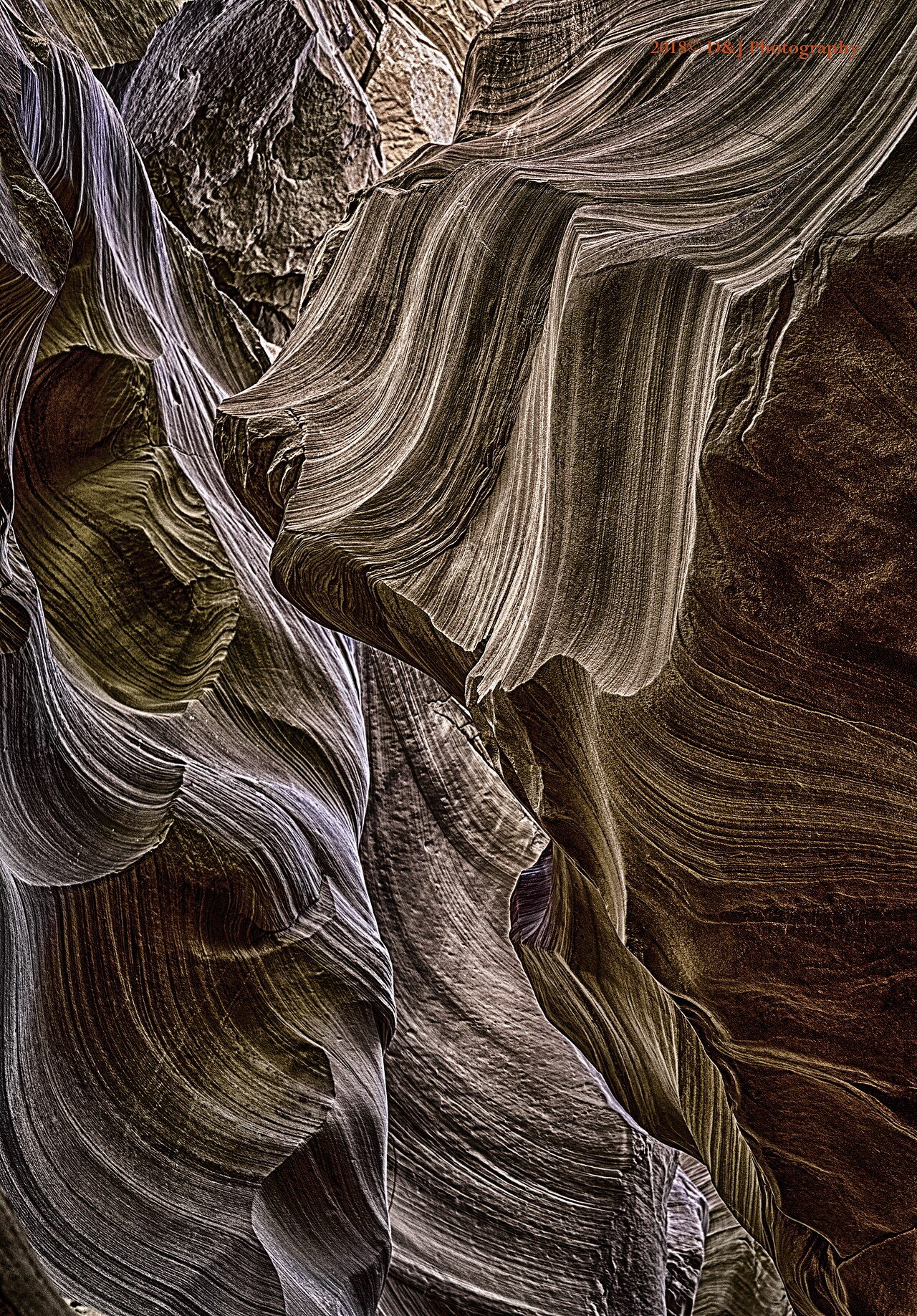
Monsoon water carrying sand has carved Antelope Creek's path through the sandstone for millennia, cutting a corridor a few feet wide at the rim and leaving the stone inside polished into flowing, impossible curves. Upper Antelope is the form's masterpiece because of a lucky cross-section — wide floor, narrow ceiling — which does two things: makes the walk effortless (flat sand, no climbing, every age manages it), and creates the skylight slots that fire the famous beams when the sun passes overhead. Beam season runs roughly late March through early October, strongest in the weeks around the summer solstice, in the late-morning-to-early-afternoon slots — which is why those specific tour times cost more and vanish first.
The visit runs about ninety minutes gate to gate: check-in at your operator's Highway 98 lot (several Navajo-owned companies are authorized; all run the same canyon on the same slot system), an open-truck shuttle up the wash, then the guided corridor walk — guides have worked this stone for years and earn their keep, calling out Heart of the Canyon, the Candle, the spots where a phone pointed straight up catches the wave ceilings, and in beam season tossing sand into the shafts so the light goes solid for your shot. Photography rules tightened as crowds grew: no tripods or monopods, no bags or backpacks (water bottles fine), and dedicated photo tours are long gone — but the guides' phone-camera choreography is genuinely good, and the no-bag rule keeps the corridor moving.
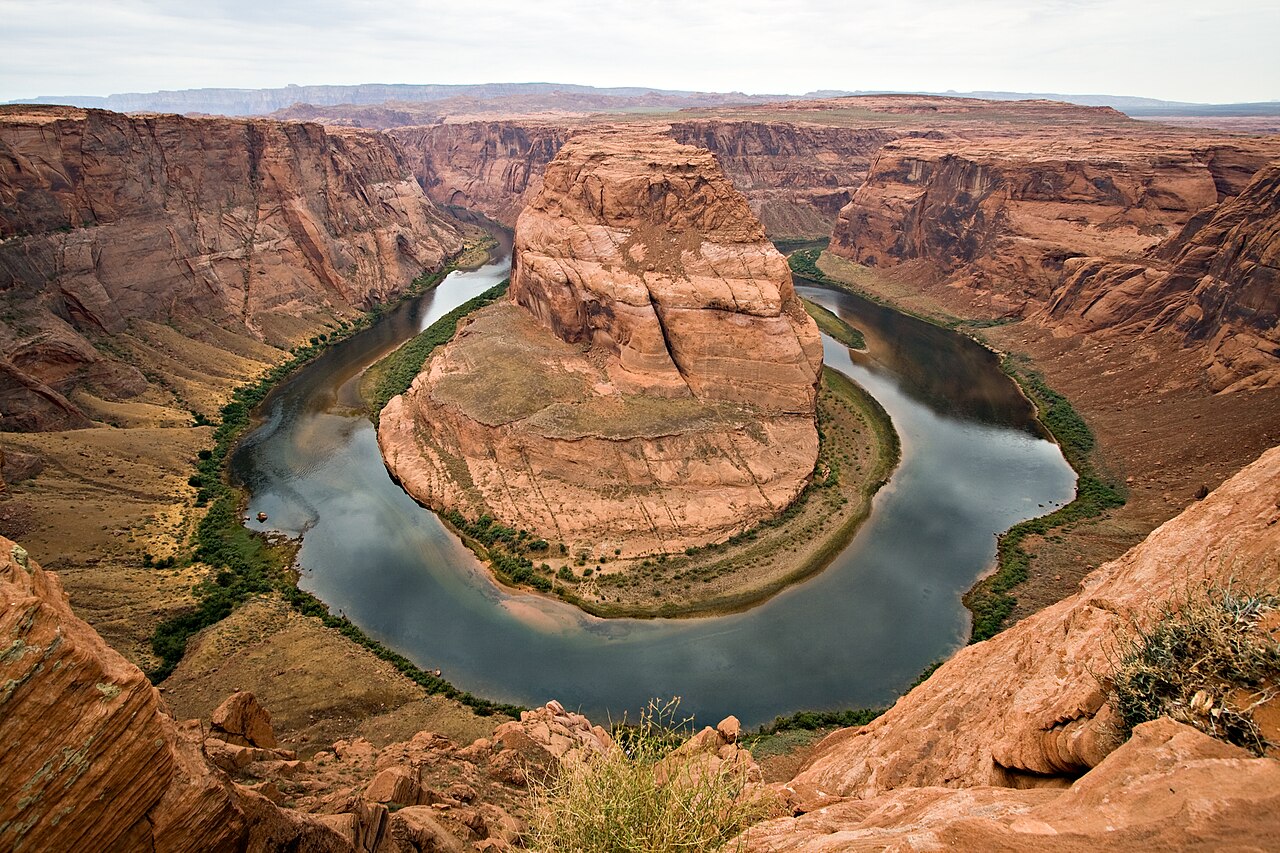
Booking strategy, which matters more here than anywhere in this market: reserve directly with a Navajo-authorized operator weeks ahead for beam-season midday (shoulder months and edge-of-day slots run cheaper and quieter — the canyon glows all day even without beams); build in the time-zone trap — the Navajo Nation observes daylight saving time and Arizona does not, so in summer your tour's clock may run an hour ahead of your Page hotel's; and know the weather clause — flash-flood risk closes the canyon on monsoon days with rain anywhere upstream, no refunds argument, full rescheduling grace. Pair it with Horseshoe Bend (ten minutes away) for the classic Page day, and read the canyon-comparison guide before defaulting here: Upper is the icon, but it is not automatically the right ticket.
What to expect
The experience
A guided quarter-mile walk through the world's most famous slot canyon — flat sand floor, wave ceilings a hundred feet up, and midday light beams in season. Navajo-authorized operators only; shuttle from Highway 98; about ninety minutes gate to gate.
Best time
Late-morning to early-afternoon slots, late March through early October, for the beams — booked weeks out and priced accordingly. Shoulder months and morning slots trade beams for calm and better prices.
How long
About ninety minutes including the shuttle; the canyon walk itself is under an hour.
Tips
No tripods, no bags — phones do fine, and guides know every angle. Mind the clock: the Navajo Nation observes daylight saving and Arizona doesn't. Monsoon-day closures are for flash floods — reschedule, don't grumble.
Quick picks
- Best for
- The pilgrimage shot — if you came for the light beams, this is the only canyon that has them at full strength.
- Families
- The easiest slot canyon walk there is — flat sand the whole way, no ladders, every age manages. Keep kids close; groups move on a schedule.
- Couples
- An edge-of-day slot when the corridor quiets, then Horseshoe Bend for sunset — the Page day that fills a camera roll.
- Pair with
- Horseshoe Bend ten minutes south, or Lower Antelope the same day for the full compare-and-contrast.
- Time needed
- Half a morning, shuttle included.
Good questions
When are the light beams?+
Roughly late March through early October, in late-morning-to-early-afternoon slots, peaking around the summer solstice. Outside that window the canyon still glows — the beams are a bonus, not the whole show.
Can we visit without a tour?+
No — the canyon is on Navajo Nation land and entry is by Navajo-authorized guided tour only. Several Navajo-owned operators run the same canyon on a shared slot system; book direct with any of them.
Upper or Lower Antelope?+
Upper for beams, flat walking, and the famous frames; Lower for ladders, fewer crowds per dollar, and a more adventurous feel. The honest answer is in this market's canyon guide — and doing both in a day is common.
What are the photography rules?+
No tripods, monopods, or bags; phones and handheld cameras welcome. Guides run the shots — sand tosses in the beams included. Dedicated photo tours were retired as crowds grew.
Why do tours cancel on sunny days?+
Flash floods — a storm miles upstream can send water through the slot under blue Page skies. Operators cancel on upstream risk; it's the system working, and they reschedule.