Most Page itineraries are built around daylight. Slot canyons run on timed slots, Horseshoe Bend is a morning or sunset stop and the lake is best before the afternoon wind. That leaves the evening as the most overlooked part of the trip, which is a shame, because the high desert around Page is one of the better places in the Southwest to spend a night outdoors. The air is dry, the horizon is open and the sandstone holds its warmth and color long after the sun drops. With a little planning, you can add a second half to every day.
Start with the sunset window
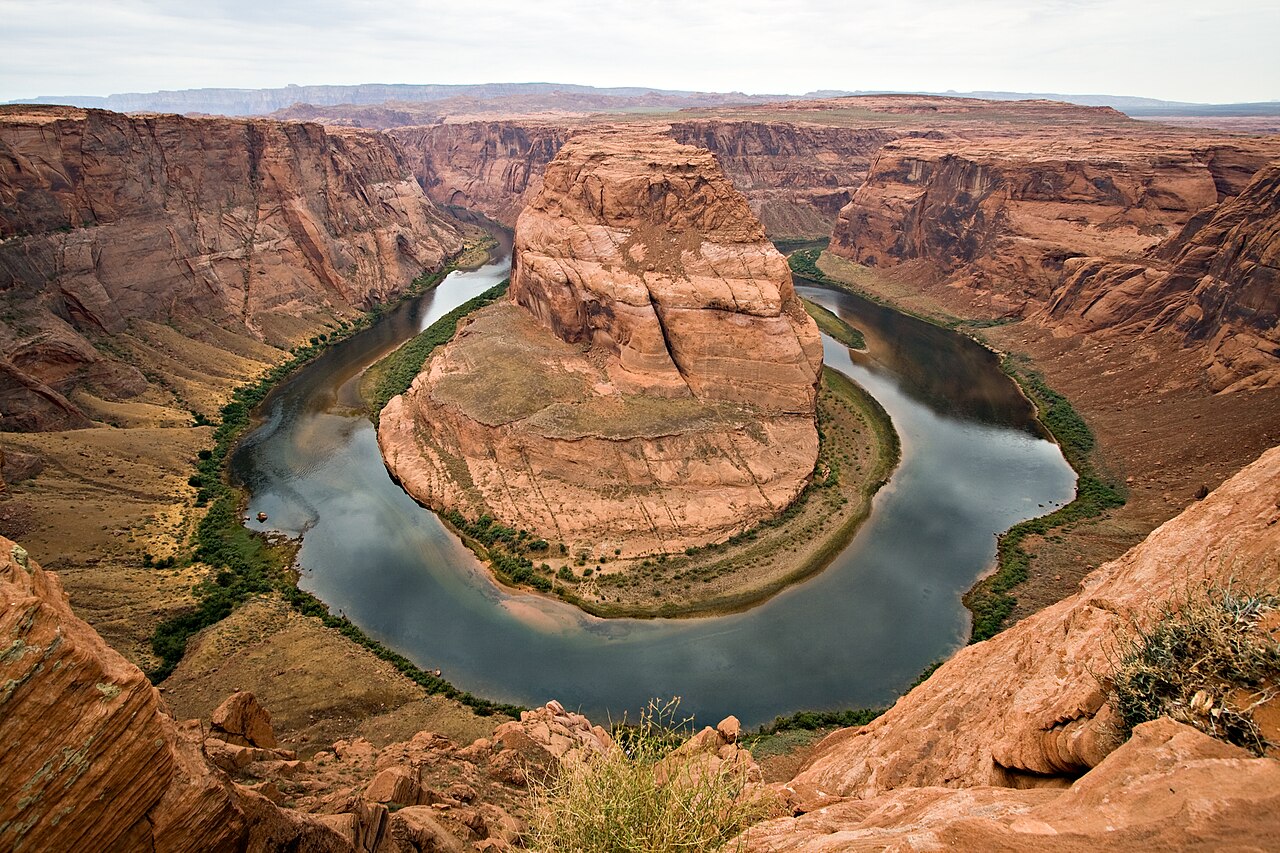
The hour before dark is the bridge between day and night. Horseshoe Bend faces west, so the late light turns the river from green to copper and the crowds thin once the sun is down. Wahweap Overlook and the shoreline near Lone Rock Beach offer wide views over the lake and the buttes with fewer people. Plan to arrive thirty to forty minutes before sunset, bring a jacket and a headlamp for the walk back, and remember that the rim at Horseshoe Bend is largely unfenced, so keep children close and stay away from the edge in fading light.
Night photography in the slot
For serious photographers, a guided night session in Upper Antelope Canyon trades the midday beams for long exposures, light painting and near-solitude. It is a technical outing: you need a camera that can shoot in manual mode, spare batteries, a stable way to hold the camera and a willingness to experiment. Ask the operator what equipment is permitted, because tripod and bag rules vary. If you want the experience but lack the gear, a general guided tour with a photography upgrade is a gentler way to improve your pictures.
Stargazing with a guide
If photography is not your goal, a stargazing night tour in the Antelope Canyon country is a quieter alternative. The pace is slow, the walking is modest and the focus is on the sky and the stories connected to it. Dress warmly, let your eyes adapt to the dark for at least twenty minutes and keep white-light screens to a minimum. A clear, moonless night gives the richest view; a bright moon washes out faint stars but lights the canyon walls beautifully, so both have their charm. Cloud cover, especially in the summer monsoon, can interrupt the show, so keep a spare evening in your schedule.
A cultural evening
For a change of pace, an evening of Navajo storytelling and hoop dancing over dinner adds context to a trip that otherwise passes through Navajo land at speed. It is a good option after a long outdoor day, on a day when canyons close for weather or on a last night before you leave for Monument Valley or the Grand Canyon. Reserve ahead, share any dietary needs in advance and ask before photographing performers.
Practical rules for the dark
Distances are longer than they look, and cell coverage can drop on the roads beyond town. Fill your tank before heading out, carry water and a small flashlight and tell someone your plan if you are driving to a remote viewpoint. Wildlife is more active at dusk, and livestock can wander onto rural roads, so slow down. Keep to marked paths and respect closures, because sandstone edges and drop-offs are hard to judge in low light. Dress for the temperature swing: desert nights can be cool even after a hot day, so a light jacket in summer and real layers in spring, fall and winter are sensible.
Mind the clocks
The Navajo Nation observes daylight saving time while the rest of Arizona does not. In the warmer months, a tour that starts at what sounds like a late hour on a Navajo-run schedule may be an hour earlier or later than your phone suggests. Check the time on your confirmation, ask which clock it uses and arrive early. This matters even more for evening tours, because missing a start time rarely leaves a second chance.
Sample evenings
For a photographer: a late-afternoon slot-canyon tour, an early dinner and a night photography session. For a couple: sunset at Horseshoe Bend, dinner in Page and a stargazing tour the next night. For a family with teenagers: a lake or paddle outing in the afternoon, a cultural dinner and an early night before a canyon morning. For anyone on a tight schedule: a single sunset stop followed by a quiet evening to recover from the heat.
The bottom line
Page is a place to enjoy in daylight, but it rewards those who stay out after the sun has gone. The same landscape that feels crowded at noon becomes calm and spacious at night, and adding one evening activity to your plan is often the thing travelers remember most. Book one evening experience early, keep a flexible second night in case of weather, and let the day end slowly.