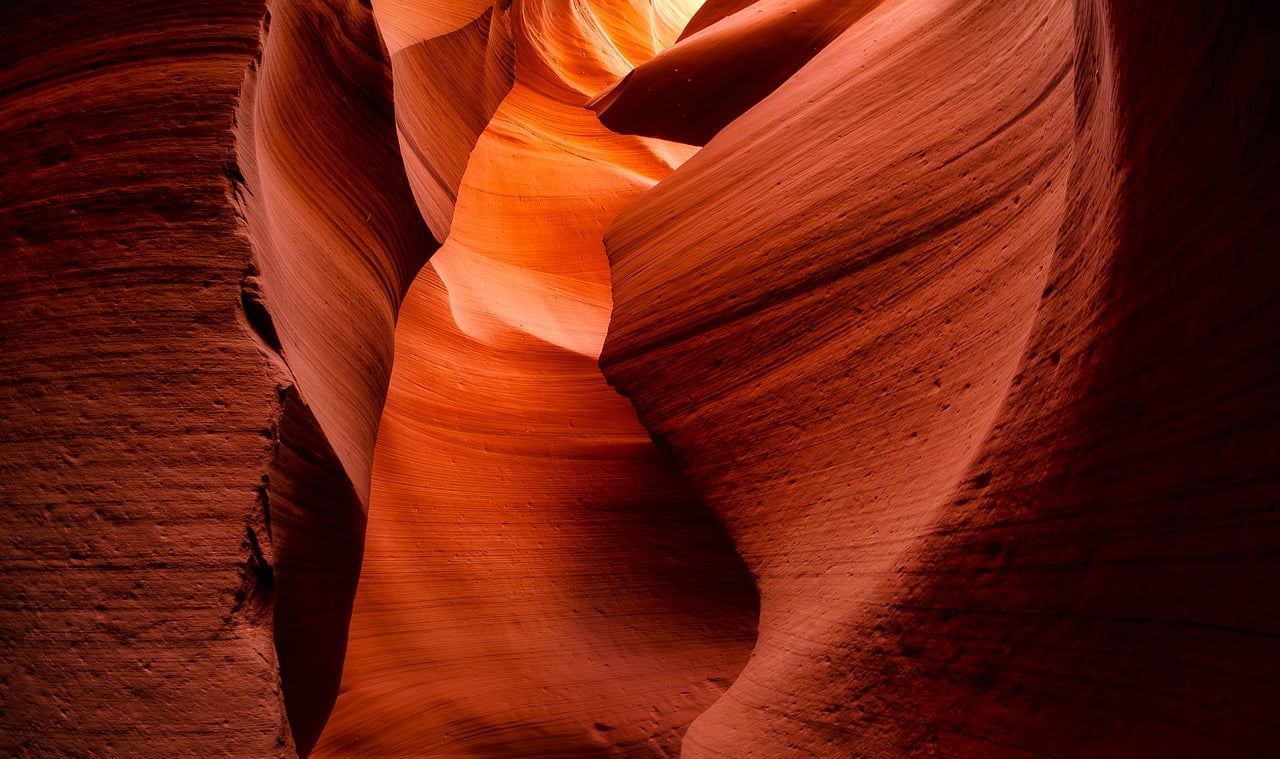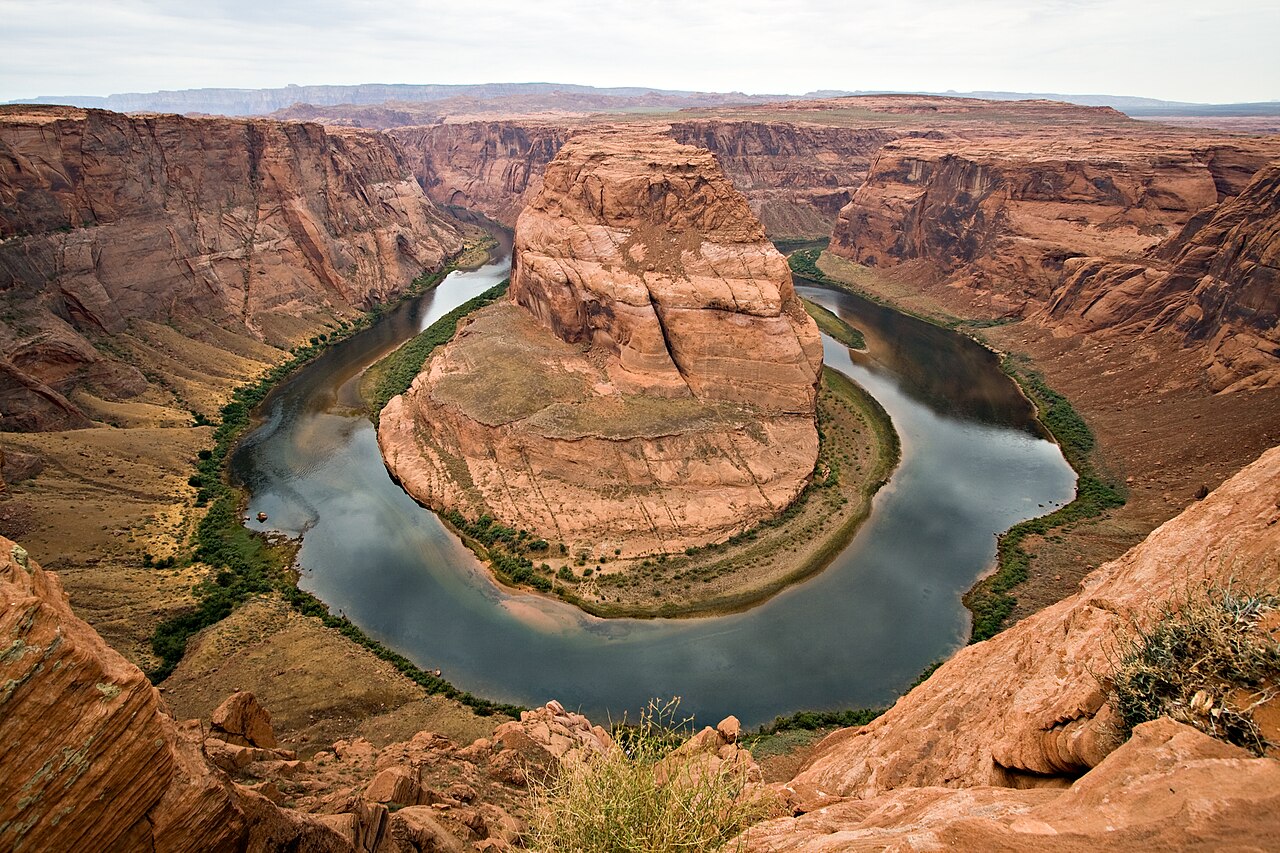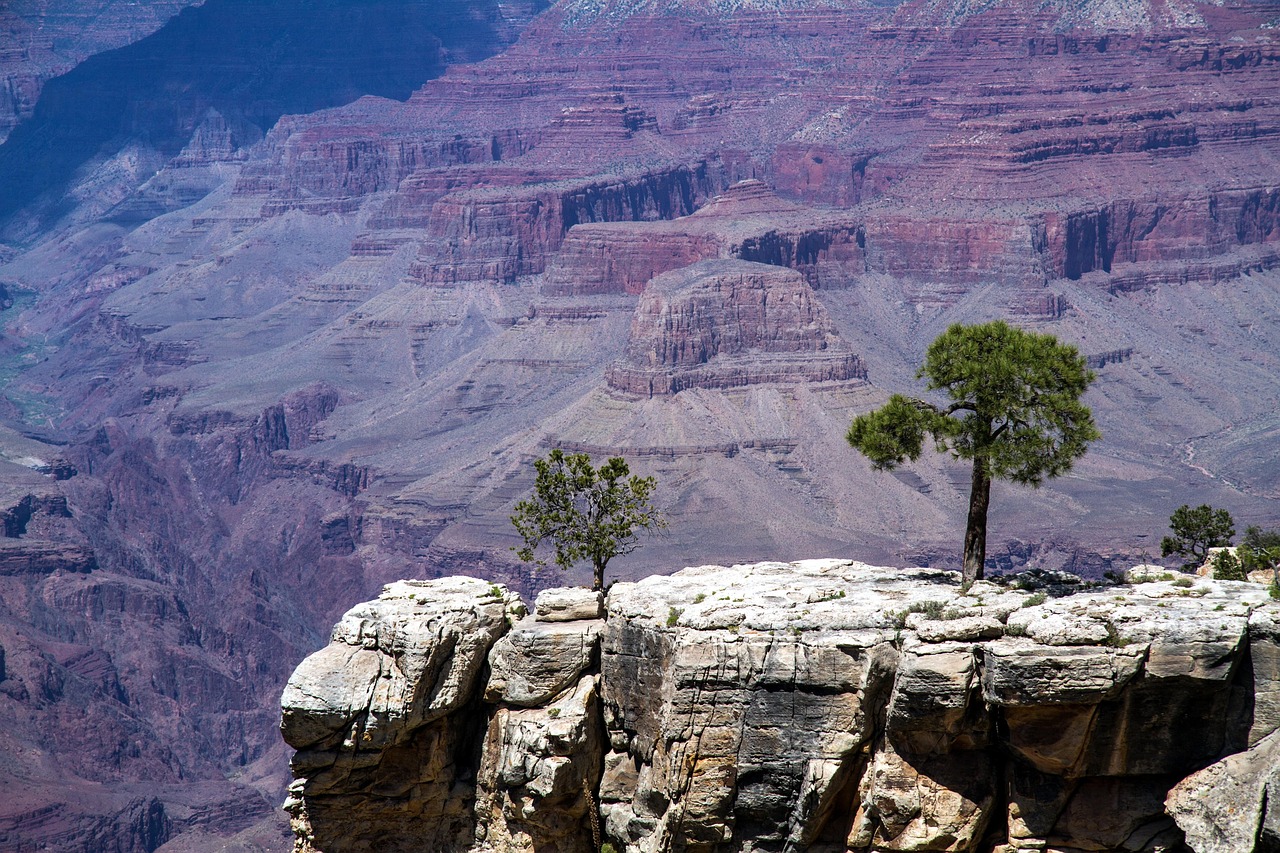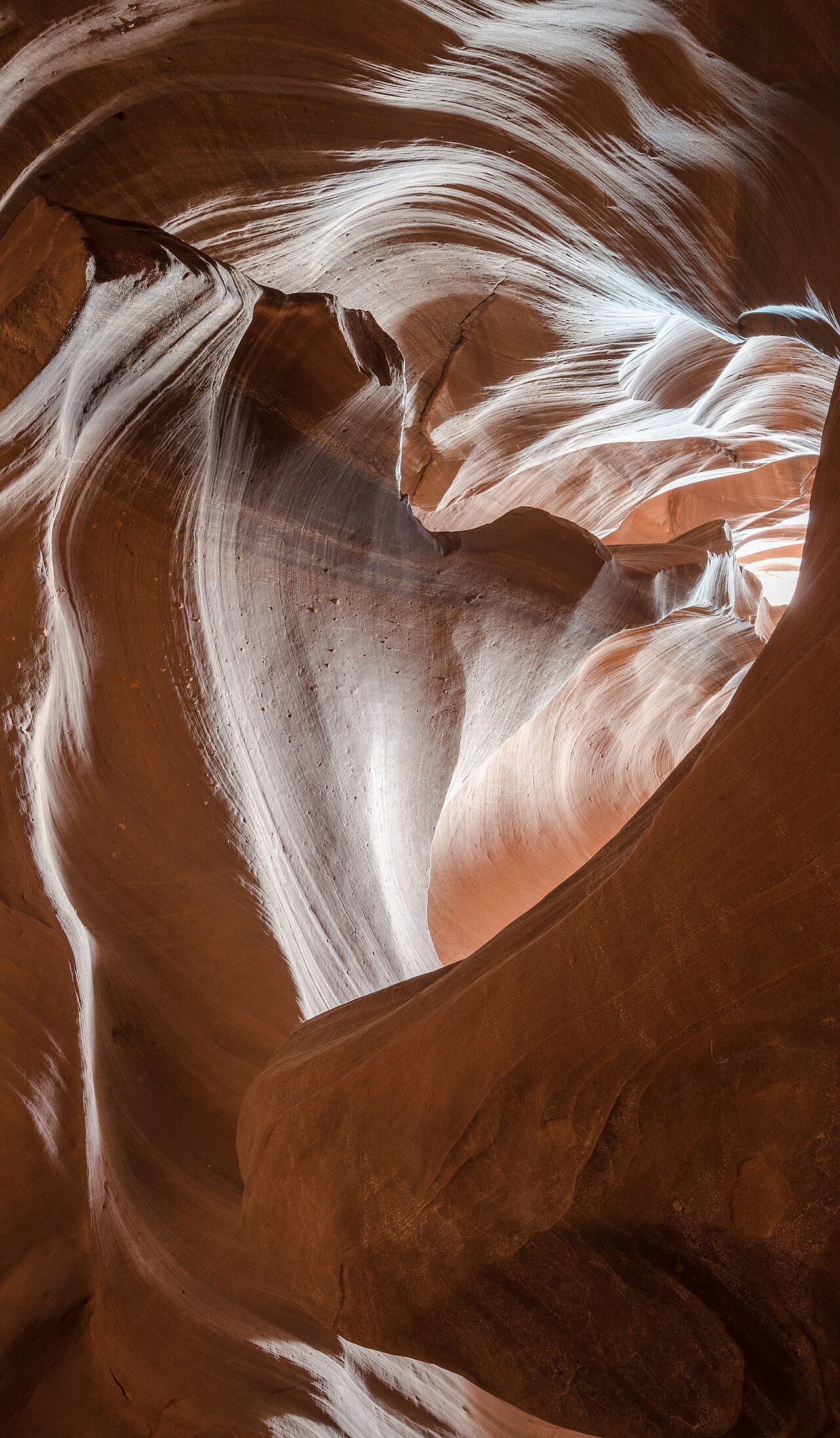
Page sits in high desert with little light pollution once you leave the town, and that makes the sky one of the region's quieter attractions. A stargazing night tour through the Antelope Canyon country adds a different rhythm to a trip that is otherwise built around daylight and timed entry slots. You travel with a Navajo-authorized guide, walk in the cooling air as the colors drain from the sandstone and then look up at the stars in a place where the horizon is mostly rock and sky. Guides on tours like this commonly weave in Diné stories, sky knowledge and desert observation, so the evening feels closer to a cultural visit than to a technical astronomy class. It suits couples, families with older children and anyone who finds the midday canyon crowds too much. You do not need a telescope or any experience. What you do need is warm clothing, a little patience while eyes adjust to the dark and flexibility, because cloud and weather decide how much sky you actually get.
The appeal of a night tour here is contrast. By day the Antelope Canyon corridor is busy, bright and tightly scheduled. After dark the same landscape feels open and slow. Temperatures fall quickly in the desert, even after a hot day, and the stillness is part of the experience. Guides generally pause in places where the horizon is wide, point out constellations and planets and explain how Navajo communities have understood and named the sky.
Ask at booking whether the walk takes place inside a slot canyon, at an overlook or on open ground, because the route and what you see can vary by operator and by season; the details on the tour page should be your guide.
Preparation is simple. Bring a warm jacket, a hat and gloves for cold months, closed shoes with a grip, a small flashlight with a red-light option and a phone with a night mode if you want to take pictures. Photographing stars properly takes a tripod and manual settings, and this tour is more about looking than shooting, so keep expectations modest for the camera. Let your eyes adapt for twenty minutes or so; the difference between the first glance and the full view is dramatic. Avoid bright screens during that time.
Timing and season shape the result. A clear, moonless night gives the richest sky, a bright moon washes out fainter stars but lights the canyon walls beautifully, and summer monsoon clouds can interrupt the view, though they also produce dramatic evenings. Remember that the Navajo Nation observes daylight saving time while the rest of Arizona does not, so check the meeting time against the right clock. Slot-canyon access can be cancelled for flash-flood risk, and an evening tour is no exception.
Pair it with a daytime canyon or a boat trip and you have a day that moves from sunlight to starlight in the same landscape. For families, check the minimum age and expect an early bedtime to be postponed. Finally, keep expectations realistic about the sky: a few clouds, a bright moon or haze from distant wildfires can change what you see, and a good guide will adapt the evening rather than force it.
What to expect
The experience
A Navajo-guided evening outing in the Antelope Canyon country, combining a walk with stargazing and sky stories. Exact route and meeting point are confirmed when you book.
Best time
Clear, moonless nights for the richest sky; spring and fall are comfortable, winter is cold.
How long
An evening of roughly a couple of hours, including transport.
Tips
Dress warmly, bring a red-light flashlight, allow time for your eyes to adjust and check the Navajo Nation time zone before you set out.
Quick picks
- Best for
- Couples and families who want a calm evening and a sense of the desert after dark.
- Families
- Often suitable for older children; check age rules and bring warm layers.
- Couples
- A quiet, atmospheric evening away from daytime crowds.
- Pair with
- A daytime slot-canyon tour, Horseshoe Bend or dinner in Page.
- Time needed
- One evening.
Good questions
Do I need any astronomy knowledge?+
No. Guides explain what you are seeing, and the focus is on enjoying the sky rather than technical observing.
Will the tour be cancelled for clouds or rain?+
Weather and flash-flood risk can lead to changes or cancellations, so confirm on the day and keep a backup evening.
Can I take photographs of the stars?+
Phones with night mode can capture some sky, but serious star photography needs a tripod and manual settings. Ask about equipment rules.
How cold does it get?+
Desert nights cool quickly, even after hot days, so bring a jacket and gloves in cooler months.
Is the time zone a problem?+
It can be. The Navajo Nation observes daylight saving time and the rest of Arizona does not, so check your meeting time carefully.