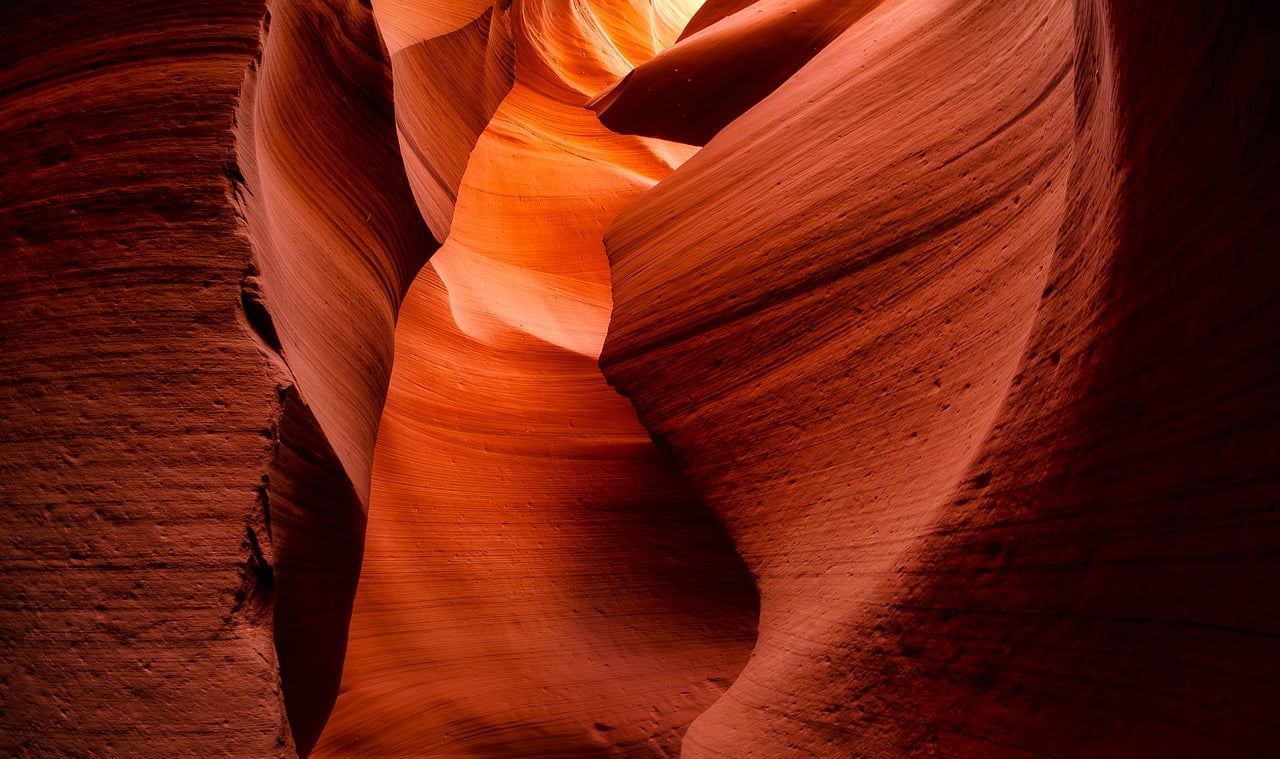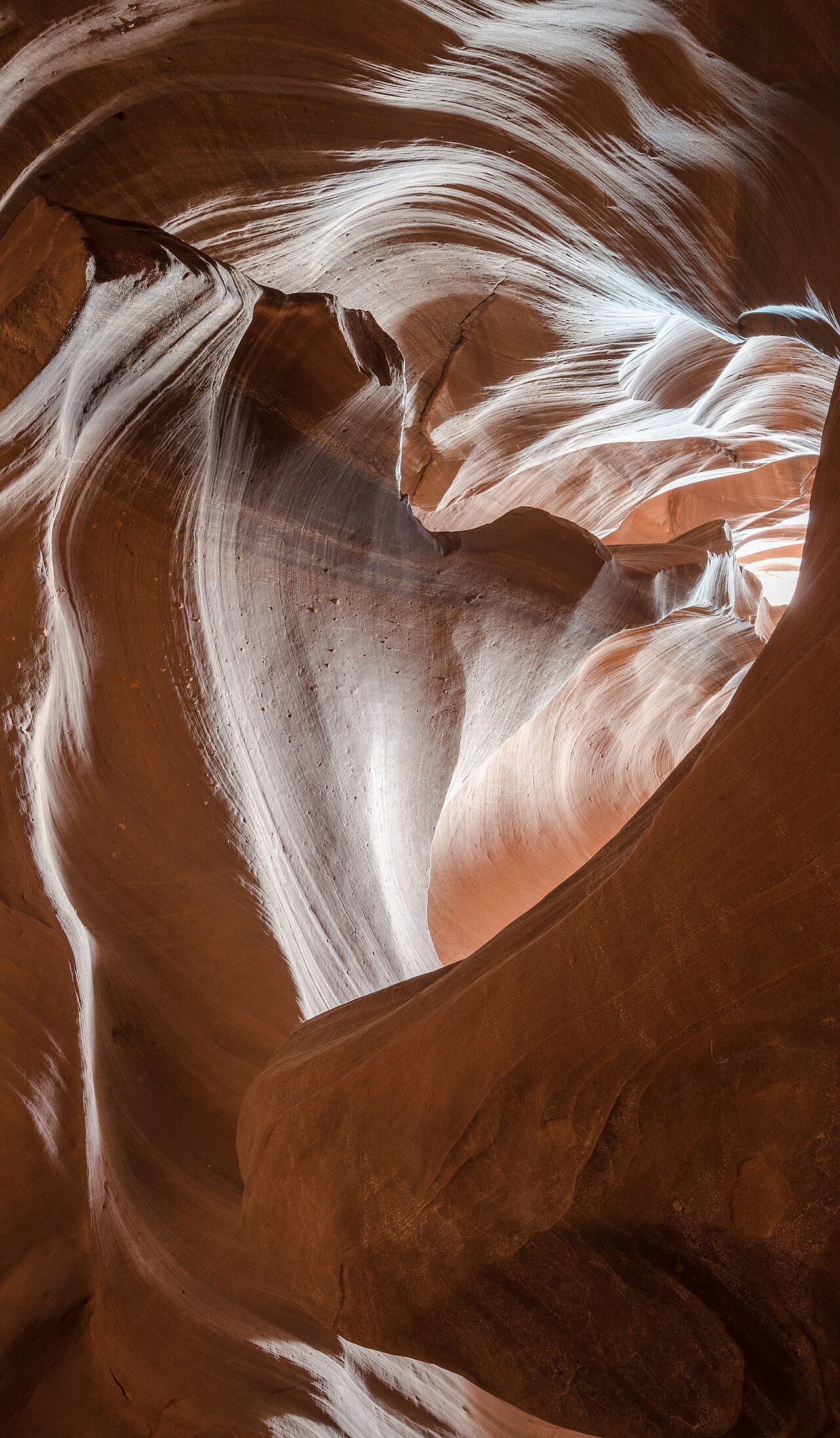
Upper Antelope Canyon is usually described in terms of its daytime beams of light, but the most photographed slot in the world looks very different once the sun is gone. A night photography tour takes a small group into the canyon after the daytime schedule has finished, with a guide who understands both the Navajo land rules and the practical problem of making sharp pictures in near darkness. The walls become a sequence of curved shapes that you light and shape yourself, whether with a handheld lamp, a guide's help or the faint glow of the sky at the canyon's narrow opening. Without crowds, you can stay on a frame for longer than any daytime schedule would allow. This is not a casual sightseeing option. It is built for travelers who already know how to use a camera in manual mode, or who are keen to learn, and it rewards patience, a steady hand and a willingness to experiment. If you want the beams, book a midday tour instead; if you want solitude and the chance to make an image nobody else has, this is the version to consider.
Photographing a slot canyon at night is a technical exercise, and it helps to arrive with a plan. The canyon is a narrow, winding corridor, so the sky above is only a thin ribbon, and the main light source is whatever you or your guide introduce. That means long exposures measured in seconds, a steady base and either a very stable position or a tripod where the operator allows one.
Ask when you book exactly what gear is permitted, because rules for bags and tripods differ by canyon and by operator, and some daytime tours ban them entirely. Bring spare batteries, since cold air and long exposures drain them quickly, and a small headlamp with a red-light mode so you do not ruin another photographer's night vision.
The creative side is as important as the technical. Without direct sun, the sandstone does not glow orange the way it does in postcards. Instead, light painting can pick out a curve, a seam or a ripple in the stone, and you can try different colors and directions of light to see what the walls do.
Slow shutter speeds also let you capture the faint texture of the rock and, if the opening above is wide enough, a hint of stars. Practice before you go: set your camera to manual, learn to focus on a distant point and to review your histogram rather than trusting the screen.
Logistics deserve attention. The tour starts in the evening and finishes in the dark, so confirm the meeting point, the transport to the canyon and the time, remembering that the Navajo Nation observes daylight saving time while the rest of Arizona does not. Dress in layers, since desert nights are cool for much of the year, and wear closed, grippy shoes for the sandy floor.
As with any slot canyon, tours can be cancelled for flash-flood risk anywhere in the watershed, so keep a spare day. Treat this as a specialist session: small groups, patient guiding and a result that depends on your preparation as much as on the canyon.
What to expect
The experience
A guided evening photography session inside Upper Antelope Canyon, for a small group with a Navajo-authorized guide.
Best time
Clear, dry evenings. Spring and fall are comfortable; summer nights are warmer but monsoon storms can cancel tours.
How long
An evening session, usually a few hours including transport.
Tips
Confirm tripod and bag rules in advance, bring spare batteries and a headlamp with red light, check the Navajo Nation time zone and keep a spare day for weather.
Quick picks
- Best for
- Experienced or enthusiastic photographers wanting long exposures without crowds.
- Families
- Not aimed at younger children; check the operator's age limit.
- Couples
- A rare, quiet experience for photography-minded couples.
- Pair with
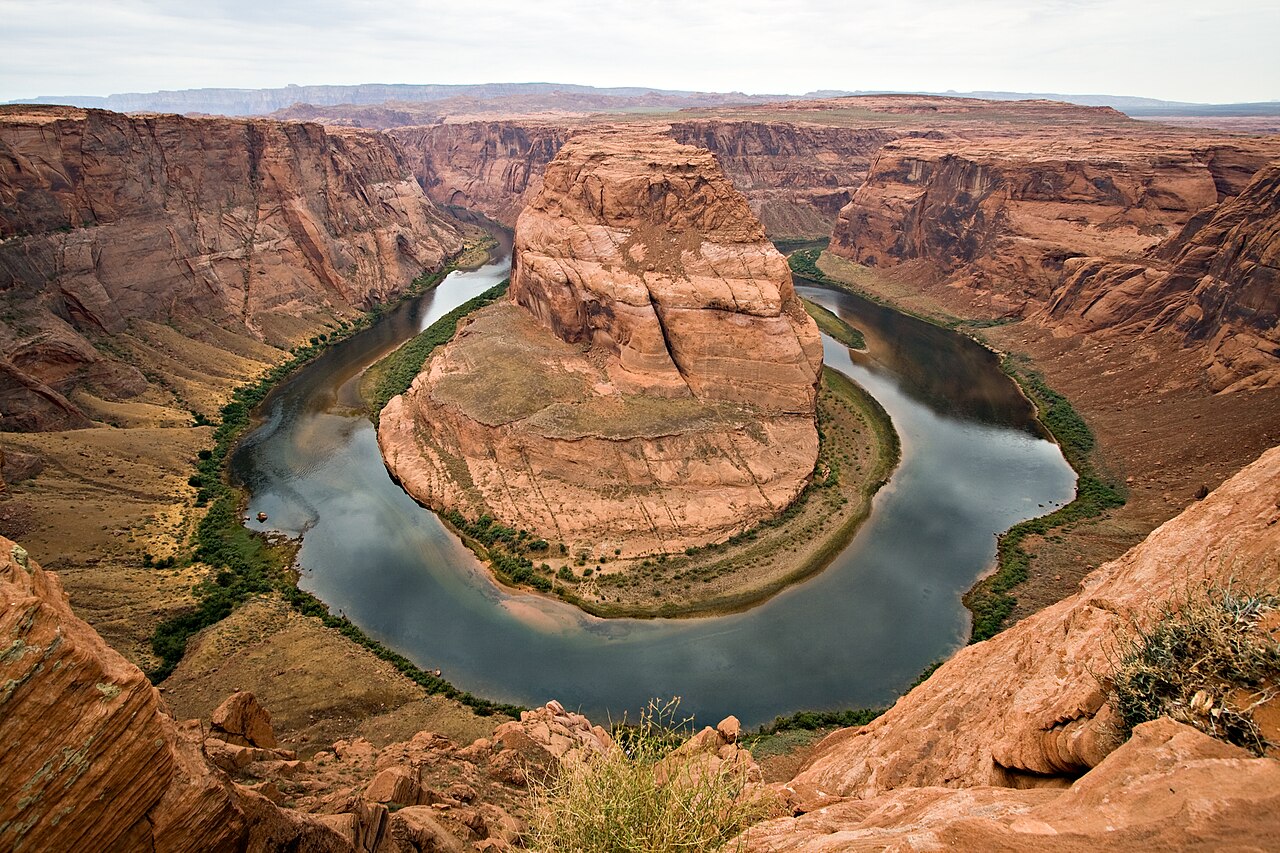
- A daytime tour of Lower Antelope Canyon or a sunrise at Horseshoe Bend.
- Time needed
- One evening.
Good questions
Is this different from the daytime Upper Antelope Canyon tour?+
Yes. It runs after the standard day schedule, with fewer people and a focus on long-exposure photography rather than the midday light beams.
Do I need a tripod?+
Long exposures benefit from a stable base, but rules vary, so ask the operator what equipment is permitted.
Will I see the light beams?+
No. The beams need direct overhead sun. This session is about shape, texture and night skies.
Is it safe in the dark?+
Guides lead the group on the usual route with lighting suited to the walk, but wear sturdy shoes and bring a headlamp.
What if it rains?+
Slot canyons close when storms threaten upstream, so tours may be cancelled or rescheduled for safety.