Antigua has a mild highland climate, so there is no bad time to visit, but there are better and busier ones. The right season depends on whether you want clear volcano views, quiet streets, lower prices or a famous festival. This guide explains the pattern and how to plan around it.
The dry season, roughly November to April
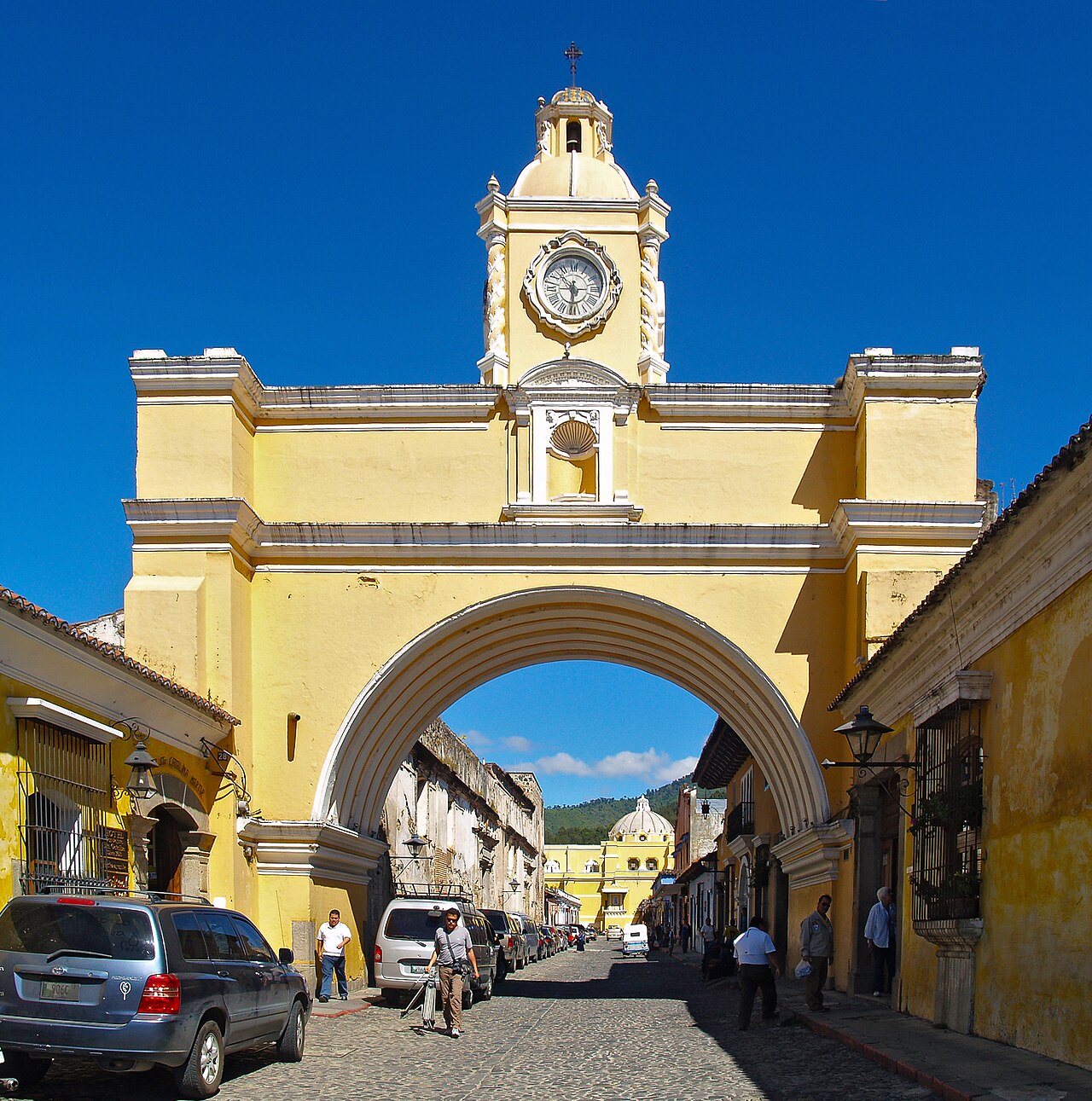
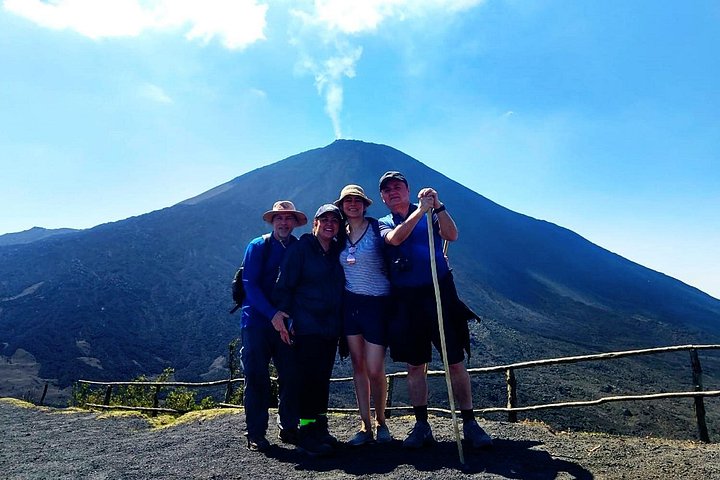
This is the main visiting season. Skies are clearer, days are sunny and warm and mornings are crisp, which makes it the best time for the views that Antigua is known for. Volcán de Agua is more likely to be visible behind the Santa Catalina Arch, and the Acatenango and Pacaya hikes have a better chance of clear views of Fuego. Nights on the volcanoes are cold, sometimes near freezing at the Acatenango camp, so pack real winter layers. Because this is the high season, hotels cost more and fill earlier, especially around the Christmas holidays and Holy Week.
The rainy season, roughly May to October
Rain usually arrives in the afternoon, with sunny mornings, and the hills turn green. This is the quieter, cheaper season, with fewer crowds at the ruins and more room at hotels. The trade-off is cloud, which can hide the volcanoes and the eruptions at Acatenango, and trails can be muddy and slippery. If you visit in the rainy season, plan outdoor activities for the morning, carry a light rain jacket and keep a flexible afternoon for museums, cooking classes and chocolate workshops. September and October are typically the wettest months.
Holy Week
Semana Santa is the most famous event in Antigua. Streets are decorated with colourful sawdust carpets, and processions carry heavy floats through the old town, accompanied by incense and music. It draws large crowds from across Guatemala and abroad. Book hotels many months ahead, expect higher prices and plan for road closures and busy sights. If you love spectacle and do not mind crowds, it is a remarkable experience. If you prefer calm, avoid it.
Other festivals
The weeks before Christmas bring parades, lights and family gatherings, and the town looks beautiful. In September, independence celebrations bring torch-carrying runners and school parades. In late autumn, Day of the Dead brings giant kites to nearby villages, which is a spectacular sight. Dates vary by year, so check the calendar before you book.
Matching the season to your plans
For Acatenango, choose the dry season and book ahead, and expect cold. For Pacaya, any season works, with early starts. For Lake Atitlán, mornings are best year-round before the afternoon winds. For the Chichicastenango market, Thursday and Sunday are the main market days all year. For the coffee farms, the harvest runs through the dry months, so you will see picking. For cooking classes, chocolate workshops and museums, any season works.
Packing and health
Antigua is at about 1,500 metres, so days can be warm and evenings cool in every season. Bring layers, sun protection and comfortable shoes for cobbles. A rain jacket is useful in the wet season, and a warm down layer is essential for volcano camps. Keep an eye on current travel advice for Guatemala before you go, and check with your tour operator about volcano conditions near your date.
Crowds and prices through the year
The busiest periods are Holy Week, the Christmas and New Year holidays and the main North American holiday weeks, when demand for hotels and tours is highest. January to March is usually pleasant, with clear skies and manageable crowds, while the shoulder months of May and November often combine good weather and lower rates. If you travel in the high season, book volcano hikes and popular cooking classes early, since small groups fill up. If you travel in the low season, you will often find last-minute availability and more flexibility, at the cost of less predictable weather.
Planning around volcano conditions
Fuego is active all year, and conditions at the national parks can change quickly, which is why operators watch the scientific bulletins and will adjust or cancel trips when needed. Treat any volcano day as subject to weather and activity, build in a spare day if you can and read cancellation terms carefully before you pay. If your dates are fixed, consider booking the volcano activity early in your stay so that you have time to reschedule.
Our short answer
If you want the clearest views and the best chance of seeing eruptions, visit between November and March, avoiding Holy Week if you dislike crowds. If you want lower prices and quieter streets, consider May, June or early July, when mornings are still often clear. If you want spectacle, plan for Holy Week well in advance. Whenever you come, start days early, keep your plans flexible and enjoy a slower pace.