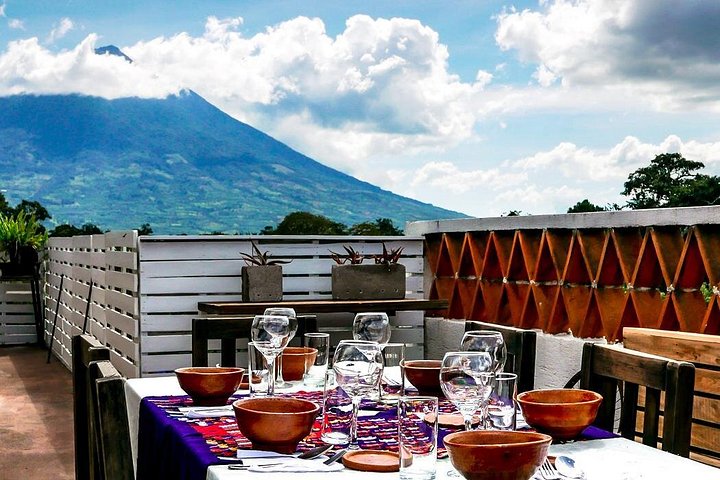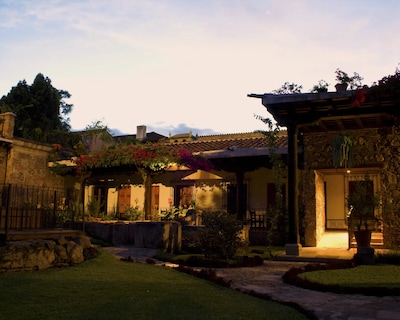
Antigua rewards travellers who want to do something with their hands. Beyond ruins and volcanoes, the town is full of small workshops where you can learn a craft, taste a tradition or cook a meal with a local. These sessions are short, usually two to four hours, and they fit neatly into the gaps between big excursions. This guide explains what is on offer, who each suits and how to build them into a trip.
Why workshops work here
Antigua is a town of artisans. Jade carvers, weavers, chocolatiers and cooks have long worked in and around the old city, and the culture of making things by hand is part of its identity. A workshop is also a gentle way to meet people, because you spend time with a local host rather than a group of tourists. For many visitors, a workshop turns out to be the most memorable part of the trip.
Jade
The ancient Maya prized jade above gold, and Antigua has workshops where you can carve and polish a small piece yourself. The session teaches you how to tell real jade from imitations, which is useful if you plan to shop. It is calm, seated and good in any weather. Ask what you take home and how long it takes before you book.
Weaving
The backstrap loom is the basis of Maya textiles, and a private session shows how patterns are built row by row. It builds respect for the pieces you see in the markets and makes you a better buyer. Do not expect to finish a large piece. A small sample is a realistic and satisfying result.
Chocolate
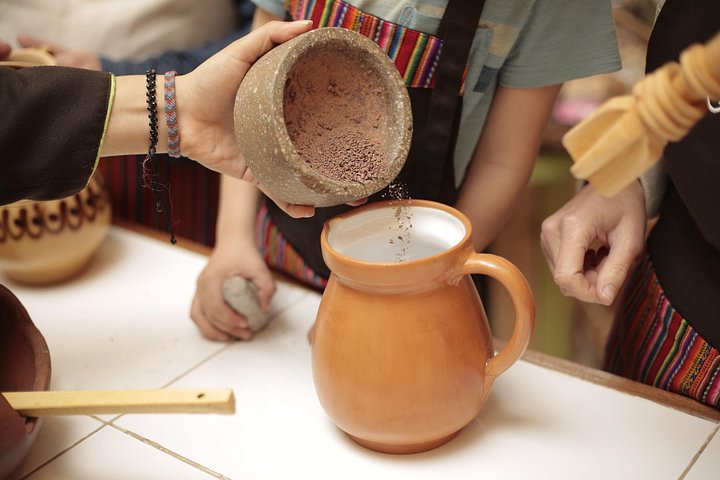
Cacao has a long history in Guatemala, and a bean-to-bar workshop lets you roast, grind and shape chocolate. It is one of the best choices for families, since children enjoy the tasting and the making. It is also an easy two-hour slot in the middle of the day.
Cooking
A cooking class with a market visit introduces dishes such as pepián, along with tortillas, salsas and drinks. It is longer, usually three to four hours, and ends with a meal. Pair it with a market tour on another day for a full picture of the ingredients. Tell the host about any dietary needs when you book.
The market tour
Walking through the working market with a guide gives context for everything else. You see the ingredients, taste small snacks and learn the names of things you will later cook or buy. It is a good first activity in a hands-on programme.
How to combine them
A relaxed two-day plan might be a market tour and cooking class on the first morning, a jade or weaving session on the second afternoon, and a walk through the old town in between. If you are short on time, choose one food workshop and one craft workshop. Families can pair chocolate with a lighter outing, such as the cloud forest or a short walk. Couples might choose weaving or jade for the quiet pace.
Choosing well
Check group size, language, what you take home and the minimum age. Private sessions give more attention but may cost more per person. Confirm the meeting point and duration, and arrive a few minutes early. Wear clothes you do not mind marking with dust, flour or chocolate. Bring small bills for tips and for any purchases.
Buying with care
After a workshop, you will know much more about what you are looking at. If you buy jade, textiles or chocolate, ask about origin, compare prices and look for cooperatives where money reaches makers. Fair prices are not always the lowest, and bargaining should be friendly. A hand-made piece takes days or weeks to produce.
When to schedule them
Workshops make good rest-day activities after Acatenango or Pacaya, when your legs are tired but you still want to do something. They also work in the rainy season, when afternoon showers can cut into outdoor plans. Book ahead for Holy Week and the end-of-year holidays, when popular sessions fill up.
Putting it together
Whatever you choose, aim to leave space between sessions for coffee, a stroll and a late lunch. The point of a hands-on day is to slow down and learn something, not to tick off a list. Antigua is small enough that you can walk between most workshops, and the pace of the town suits it.