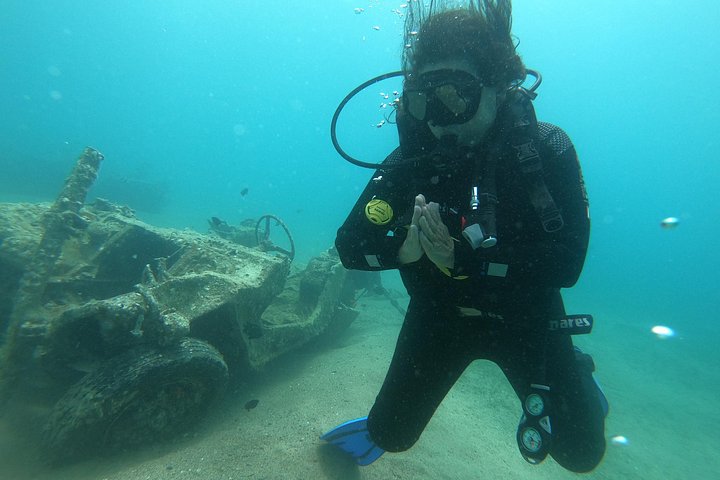
The Cedar Pride is the wreck that put Aqaba on the dive map. A cargo ship that was deliberately sunk in the 1980s to create an artificial reef, it lies on its side not far off the south coast and has been colonised by corals, sponges and schools of reef fish. Divers swim along the hull, look into the open spaces of the deck and watch glassfish and other small fish gather around the structure. It is a dive that feels dramatic without being technically extreme, which is why it features so often on Aqaba itineraries. This private guided activity with pickup is described as covering the wreck and the reefs known as the Japanese Gardens, so you can combine ship and coral in one outing. Because it is a private format, the guide can adapt to your level: certified divers can follow a standard route, while newer divers can ask about depth and conditions before committing. The Gulf of Aqaba is warm, calm and clear for much of the year, and shore-entry and boat-entry options both exist, so confirm which one applies to your booking.
Some history and context help the dive make sense. Aqaba's reefs lie within a protected marine area along the south coast, and artificial wrecks such as the Cedar Pride were sunk partly to take pressure off the natural reef. Over decades the steel has become habitat, with coral growth on the rails and fish sheltering inside.
The ship lies on its side, so the orientation can feel strange at first, and depth varies along the hull; your guide will keep you within your certification limits. Visibility is typically good, although it can drop after strong winds.
What to know before you book
Read the booking page to see whether the dive is aimed at certified divers, beginners or both, and what equipment and insurance are included. Divers should bring their certification card and logbook. If you have flown recently, remember to respect the usual no-fly and no-dive intervals, and never plan a dive on the morning of a departing flight. Beginners should declare any medical conditions honestly, as dive operators will ask. Water temperature is comfortable most of the year, but a full-length suit is wise in winter.
Making it count
The best sequence is the wreck first, while you have most air and energy, then the reef for slow, shallow time among the coral. Morning departures usually mean calmer seas. Keep your buoyancy neutral around the wreck and the reef; a stray fin kick can damage coral that took years to grow.
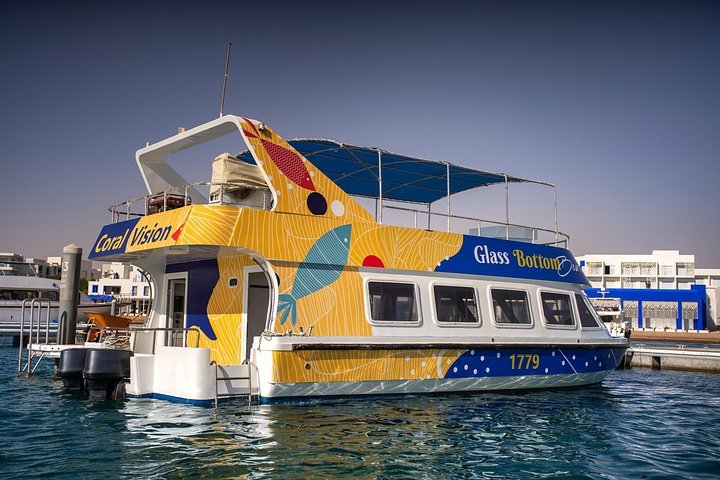
Many visitors also add a snorkelling or glass-bottom boat outing on another day for non-diving companions, and finish with a meal on the waterfront. If you are new to diving and unsure, a short introductory session in the shallow reef is a gentler way to start before committing to the wreck.
What to expect
The experience
A private guided dive with pickup, visiting the Cedar Pride wreck and nearby reef areas, with equipment briefing and surface time.
Best time
Morning for calmer seas; spring and autumn for comfortable surface conditions.
How long
Allow three to four hours including briefing, kit-up and travel.
Tips
Bring your certification card if you are certified, avoid flying soon after, and keep buoyancy neutral around the wreck.
Quick picks
- Best for
- Divers and curious beginners who want a wreck and a reef in one trip.
- Families
- Diving has minimum age and medical requirements, so check the booking page; snorkelling is a better family option.
- Couples
- A shared adventure, especially if both of you are certified or trying a first dive together.
- Pair with
- The glass-bottom boat, a snorkelling day, or a quiet evening on the waterfront.
- Time needed
- Half a day.
Good questions
Is the Cedar Pride suitable for beginners?+
It depends on the format you book, so read carefully. Newer divers should ask about depth and conditions before agreeing to the wreck.
What is the Cedar Pride?+
It is a cargo ship that was deliberately sunk in the 1980s as an artificial reef. It now rests on its side and is covered in marine growth.
Do I need to bring my own gear?+
Operators usually supply or rent equipment, but check what is included. Certified divers should still bring their card and logbook.
What is the sea like in winter?+
Cooler but diveable, so a full-length suit is sensible. Visibility is often good in the cooler months.
Is there a no-fly rule after diving?+
Yes, the usual guidance is to wait before flying after diving, so avoid booking a dive just before a departure. Ask your guide for the interval that applies to your dive profile.