Aqaba has one of the most reliable climates in the Middle East, but reliable does not mean the same all year. The sea stays swimmable in every month, the desert changes dramatically from day to night, and summer heat can shape the whole trip. This guide compares the seasons so you can match your dates to what you want to do.
Spring, March to May
For most visitors spring is the best time. Days are warm and bright, the sea is warming up and nights in the desert are mild rather than freezing. It is ideal for combining snorkelling or diving with a Wadi Rum overnight, and it is also the most comfortable season for a long day in Petra. The trade-off is popularity: hotels, desert camps and balloon flights fill earlier, so book ahead, especially around school holidays and religious holidays whose dates move each year.
Summer, June to August
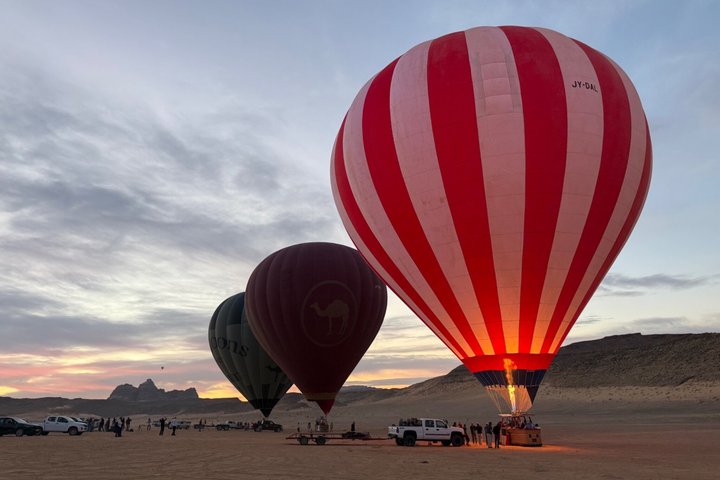
Summer is very hot. Daytime temperatures in Aqaba commonly climb into the high thirties or above, and the desert is hotter still. If you come at this time, organise your days around the heat: do desert activities at dawn and dusk, spend midday in the water or by a pool, and eat late. The upside is warm sea, strong diving conditions and generally lower hotel rates in some places. Sun protection is essential, with a hat, sunglasses, a long-sleeved light shirt and plenty of water. A sunrise balloon flight and a sunset jeep tour make better sense than a midday trek.
Autumn, September to November
Autumn is the other prime season. The sea is at its warmest after the summer, the air cools and the light turns golden, so it is excellent for snorkelling, diving and beach time, and the desert becomes pleasant again by October. Bird watchers may enjoy migration season, when the Aqaba Bird Observatory is a draw. Autumn can be busy, so book camps and flights early. Early autumn can still feel hot in the middle of the day.
Winter, December to February
Winter days are mild and clear, which is ideal for sightseeing in town, hiking and long Petra days. The sea is cooler, so a thin wetsuit or rash vest makes snorkelling and diving more comfortable, and desert nights can be cold enough for frost, so pack warm layers and ask about blankets if you camp. Rain is not common but can happen, and it can affect desert tracks and views. Winter is a good choice for travellers who dislike heat and want fewer crowds, apart from the holiday period around the end of the year.
Best for specific activities
For diving and snorkelling, any month works, but the sea feels best from late spring to autumn. For Wadi Rum overnight camps, spring and autumn offer the best balance between warm days and mild nights. For balloon flights, calm spring and autumn mornings are best, but flights depend on wind year-round. For stargazing, choose clear, moonless nights, which are common in winter and spring. For Petra, spring and autumn are comfortable and winter is cool but good.
Religious and holiday periods
Ramadan moves through the calendar each year. During it, daytime opening hours change, some restaurants close until sunset and visitors are expected to be discreet about eating and drinking in public, but evenings are lively and atmospheric. Eid holidays that follow bring heavy regional travel and higher demand, so book hotels and transport early. Friday is the weekly day off, so check opening hours of museums and shops.
Sea temperature and clothing
The Gulf of Aqaba is warm for much of the year and cools noticeably in winter, so a thin wetsuit or rash vest is useful from about December to March, while in summer a rash vest protects against sun more than cold. For the desert, think in layers in every season: a light shirt for the day, a warm fleece after sunset and a scarf that works for sun, dust and wind. Modest dress is appreciated away from beach clubs and resorts in any month.
How to choose
If you want one answer, pick spring or autumn. If you love heat and the sea, summer can work with careful scheduling. If you prefer quiet and cooler weather, winter is rewarding. Whichever season you pick, travel advisories can change, so check your government's current guidance and your insurance terms before you book, and keep a flexible day in your plan for wind, dust or other weather.