Aruba's cooking is a blend of Caribbean, Dutch, Latin American and indigenous influences, and a guided food tour is the quickest way to understand it. This outing takes you to several stops where you taste local dishes and drinks, with a guide explaining what you are eating, how it is prepared and where it comes from. Expect the island's classics, which typically include fried pastries filled with cheese or meat, fresh seafood, stewed meats, plantains, corn-based sides and a local cocktail or two, along with some of the stories behind them. Because the tour is built around small tastings at multiple locations, you end up with the equivalent of a full meal without having to choose a restaurant or decide what to order. It is also a good way to meet other travellers, to learn which places locals like and to get recommendations for the rest of your stay. Dietary needs are usually possible to accommodate with notice, and the pace is leisurely, with walking between some stops and transport for others. Most visitors find it best early in the trip, because you can use the tips for the days that follow.
Why it works
It replaces guesswork. On an island with dozens of restaurants along the beach strip, it can be hard to know where to find food that feels like Aruba rather than a generic resort menu. A guide with local knowledge takes you to places you might not find on your own, and the tastings are sized so you can try many things without feeling stuffed. You also learn the vocabulary of the island, the names of dishes and ingredients in Papiamento, which is useful when you order later.
What to expect
Several stops over a few hours, each with a small plate and sometimes a drink, plus commentary on the island's history and food culture. Some stops are sit-down and others are casual counters, and the mix of savoury and sweet means you will probably not need lunch or dinner afterwards.
Vegetarian, gluten-free and allergy needs should be mentioned when you book so the guide can plan, and not every stop can accommodate every restriction. Come hungry, wear comfortable shoes and bring a hat or light layer, since part of the route may be outdoors.
Planning tips
Book early in your stay, take notes or photographs of the places you like, and ask the guide for recommendations for dinner and for local snacks to try on your own. Most operators run lunch and evening versions, so pick the one that suits your plans. Tours usually include a mix of alcoholic and soft drinks, so say if you prefer one or the other.
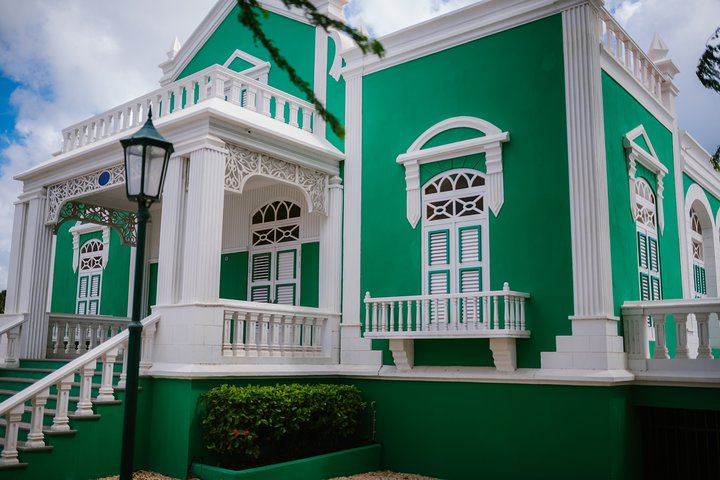
The format suits couples, friends and solo travellers best, and families with older children often enjoy it too. If you are staying for only a few days, it pairs naturally with the Oranjestad walking tour, since both are easy to fit into a morning or an evening in town, and it is a pleasant alternative on a cloudy day.
A few practical points
Tours normally need a minimum number of guests to run and can be reorganised if a stop is closed, so read the confirmation message carefully. Wear something light and comfortable, because the day is warm and you will be eating plenty. Finally, tell the guide if you have favourites or dislikes, since a good guide will steer you to the best dishes.
What to expect
The experience
A guided walk and ride between several food stops, each with local dishes or drinks and stories about Aruban cooking.
Best time
Lunch or early evening, when kitchens are busy and the tastings feel like a full meal.
How long
About three hours, with tastings at several stops.
Tips
Mention dietary needs when you book, come hungry and wear comfortable shoes.
Quick picks
- Best for
- Food lovers and first-timers who want to understand the island's flavours quickly.
- Families
- Often fine for older children who like trying new foods; check age rules and menus when you book.
- Couples
- An early-evening tour that doubles as dinner.
- Pair with
- The downtown walking tour or the distillery visit.
- Time needed
- Roughly three hours, plus travel to the meeting point.
Good questions
What kind of food will I try?+
Expect a mix of local snacks, Caribbean dishes, seafood and sweets across several stops, with a drink at some. Exact stops can change.
Is it enough for a meal?+
For most people, yes. The tastings add up to a full lunch or dinner, so you will probably not need another meal straight afterwards.
Can it handle dietary restrictions?+
Often with notice, but not every stop can cover every restriction. Mention vegetarian, gluten-free or allergy needs when you book.
Does the tour include alcohol?+
Some stops serve a local drink or cocktail. Say if you prefer soft drinks, and check age rules for the alcohol.
When is the best time to book?+
Early in your stay, so you can use the guide's recommendations for the rest of the trip.