Lake Eyasi is a shallow, seasonal soda lake in the Rift Valley south-west of Ngorongoro, and the area around it is home to two of northern Tanzania's most distinctive communities. The Hadzabe are one of the last groups in Africa to live largely by hunting and gathering, and the Datoga are pastoralists known for their metalwork and for the jewellery and clothing of their women. A day visit from Arusha usually means a very early start, a long drive via Karatu and a morning with the Hadzabe, when you may join a hunting party, learn about foraging and see how they make fire and prepare food. In the afternoon you can visit a Datoga homestead and see blacksmiths at work. It is a rewarding day if done thoughtfully, because it shows a way of life very different from that of the tourists and the cities. It is also a long day, so stay in Karatu if you can.
Doing it well
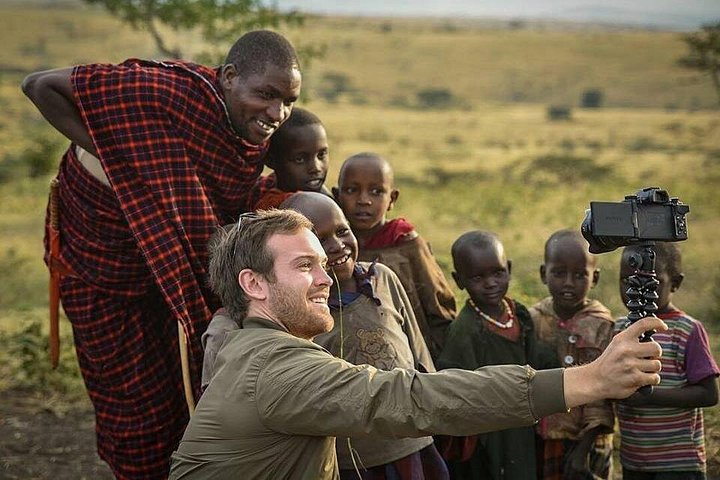
Choose an operator who works directly with the communities and who explains how the fee is shared. Ask whether the groups are small, whether photographs are welcome and whether you will be asked to buy crafts. A respectful visit lets the community set the pace. You should listen more than you photograph, and take cues from your guide about what is appropriate. Hadzabe visits often begin before dawn so that you can walk with hunters at first light, which is when the activity is most natural.
What happens
You may be shown how arrows and bows are made, how tubers and honey are gathered and how fire is started with sticks. The Datoga part of the day usually includes a visit to a homestead and a demonstration of metalworking, with items for sale. Your guide translates and explains. Because these are living communities, not a performance, expect variation from visit to visit and some waiting. Treat any sightings of game or successful hunting as a bonus rather than a promise.
Practical points
The drive is long, so you will spend many hours in the vehicle. The area is hot and dusty, and the lake itself is often dry or shallow, so the landscape can look stark. Wear closed shoes, long trousers or a long skirt and a hat, and bring sunscreen and plenty of water. Carry small notes for any purchases and for tips. Keep children's ages and stamina in mind, as the early start and the heat are tiring. Ask your operator whether the price includes fees and lunch.
Is it right for you? If you want wildlife, choose a park day. If you want to understand northern Tanzania's cultural diversity beyond the Maasai, this is the day. Combine it with a night in Karatu to make the schedule workable, then add Ngorongoro or Lake Manyara the next day. The cultural visit is the focus, not a safari add-on, so keep expectations realistic.
Preparing yourself
Read a little about both communities before you go, and think about the questions you would like to ask through your guide. Dress simply, leave flashy jewellery and expensive cameras at the hotel if you can, and keep your phone away during the visit. Many travellers find the day more rewarding when they treat it as an exchange, listening and learning rather than collecting pictures. Afterwards, talk it over with your guide on the drive back, who can add context about the pressures on land and traditions that these communities face.
What to expect
The experience
A guided cultural day on the shores of Lake Eyasi, with a morning among the Hadzabe and an afternoon with Datoga blacksmiths.
Best time
Dry months for easier roads; an early start in every season.
How long
A very long day, usually with a pre-dawn departure and a late return.
Tips
Choose a small, responsible operator, ask about photography, wear closed shoes and consider a night in Karatu.
Quick picks
- Best for
- Travellers looking for a cultural experience beyond the standard Maasai visit.
- Families
- Better for older children, because the day is long, hot and starts very early.
- Couples
- A distinctive, thought-provoking day for curious travellers.
- Pair with
- A night in Karatu, then Ngorongoro Crater or Lake Manyara.
- Time needed
- A full, long day.
Good questions
Who are the Hadzabe and the Datoga?+
The Hadzabe are hunter-gatherers living near Lake Eyasi, while the Datoga are pastoralists and blacksmiths. They are separate communities with their own languages and customs.
How long is the drive from Arusha?+
It is several hours each way via Karatu, which is why the day starts before dawn. Staying in Karatu shortens the morning drive.
Can I take photographs?+
Ask your guide first and respect any limits. Some communities ask for a fee or a gift in return.
Will I see a hunt?+
You may walk with hunters at dawn, but sightings of game and successful hunts are not guaranteed.
Is it ethical?+
It can be, if you choose an operator who works directly with the communities and shares the fee fairly. Ask before you book.