Aspen is a year-round destination with two main high seasons and two quieter shoulder seasons, each with its own character. The best time depends on what you want: powder and cozy fires, music and hiking, golden leaves or peace and bargains. This guide walks through the year so you can match your plans to the calendar.
Winter, for skiing
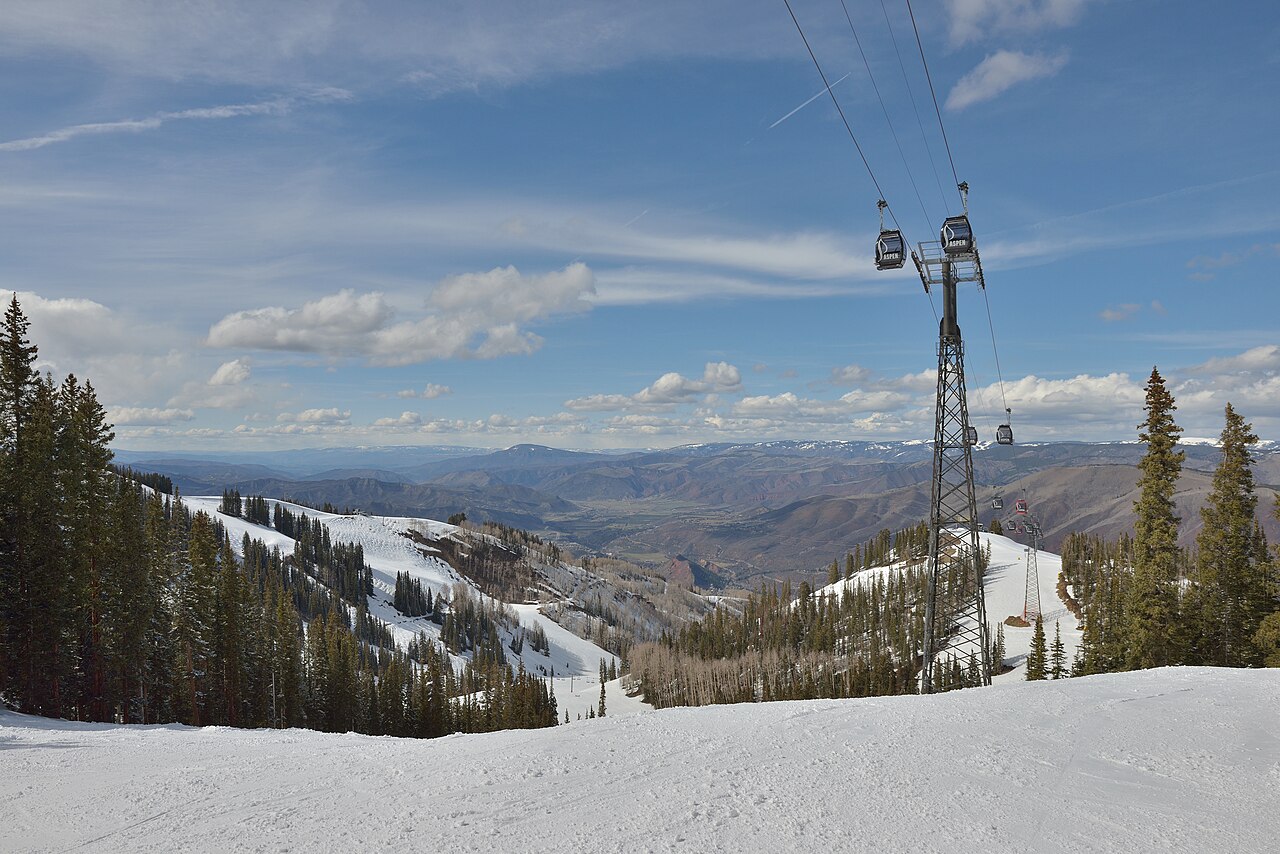
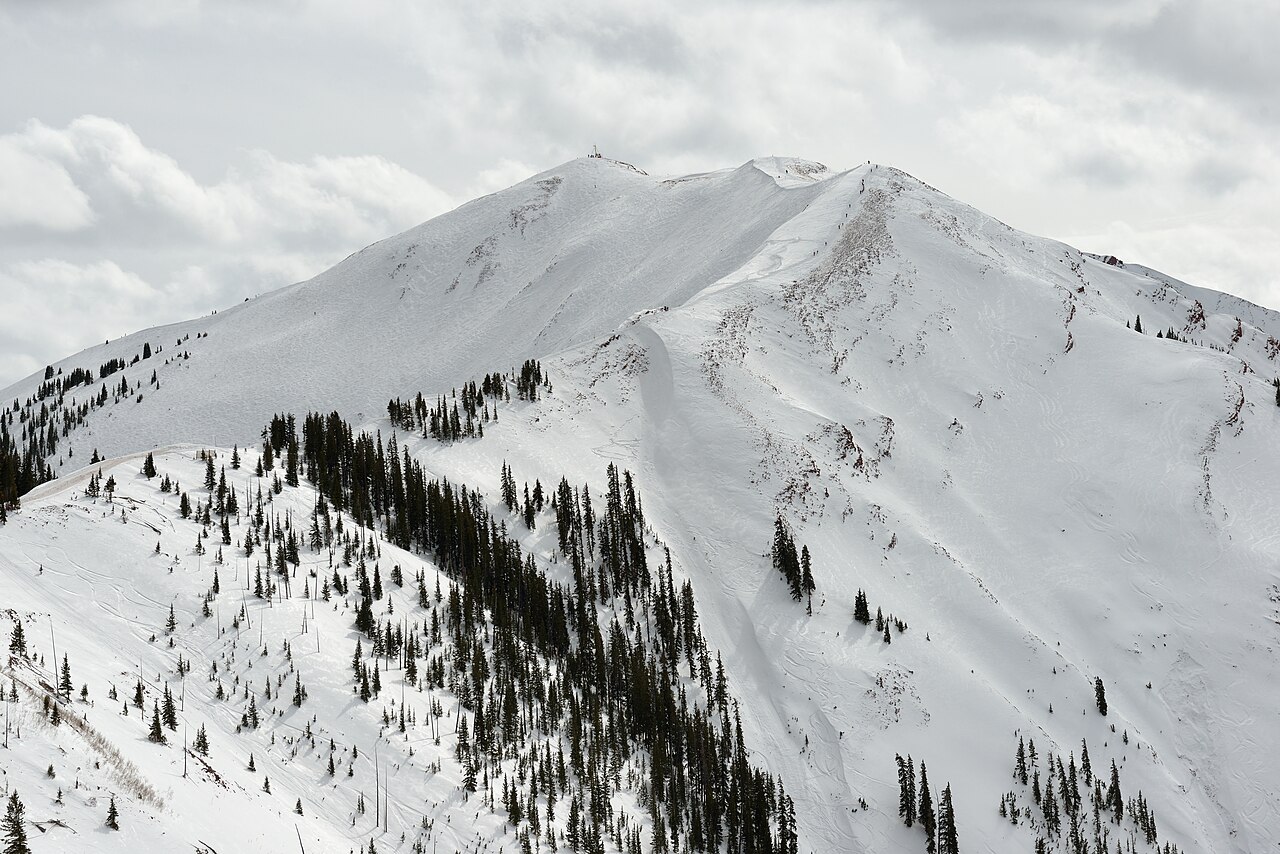
Ski season typically runs from late November into April, with the deepest snow in midwinter. Holiday weeks and weekends are the busiest and most expensive, while January and early February midweek can be quieter. The four mountains offer something for every level, the town is festive and the evenings are cozy. Expect cold temperatures, early dark and icy sidewalks, and book hotels and dining well ahead.
Spring, the quiet season
From mid-April into early June, the lifts close, the snow melts and many businesses take a break. It is a time of mud, mixed weather and low prices, with fewer crowds and a relaxed pace. Some restaurants and shops are closed and the gondola may be off for maintenance, but the town is easy and the valley turns green. It suits visitors who want to save money or enjoy lower-key walks and spa time.
Summer, for the outdoors and music
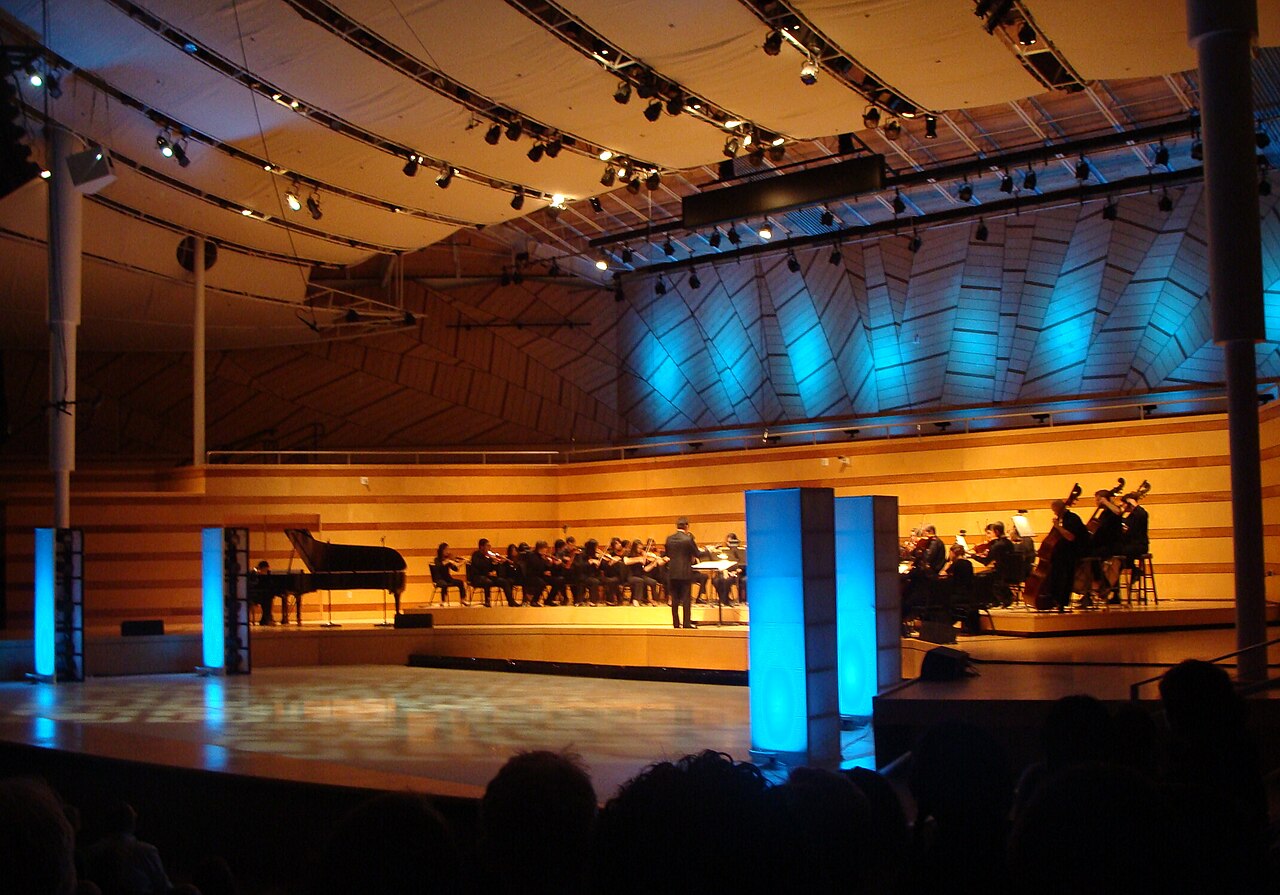
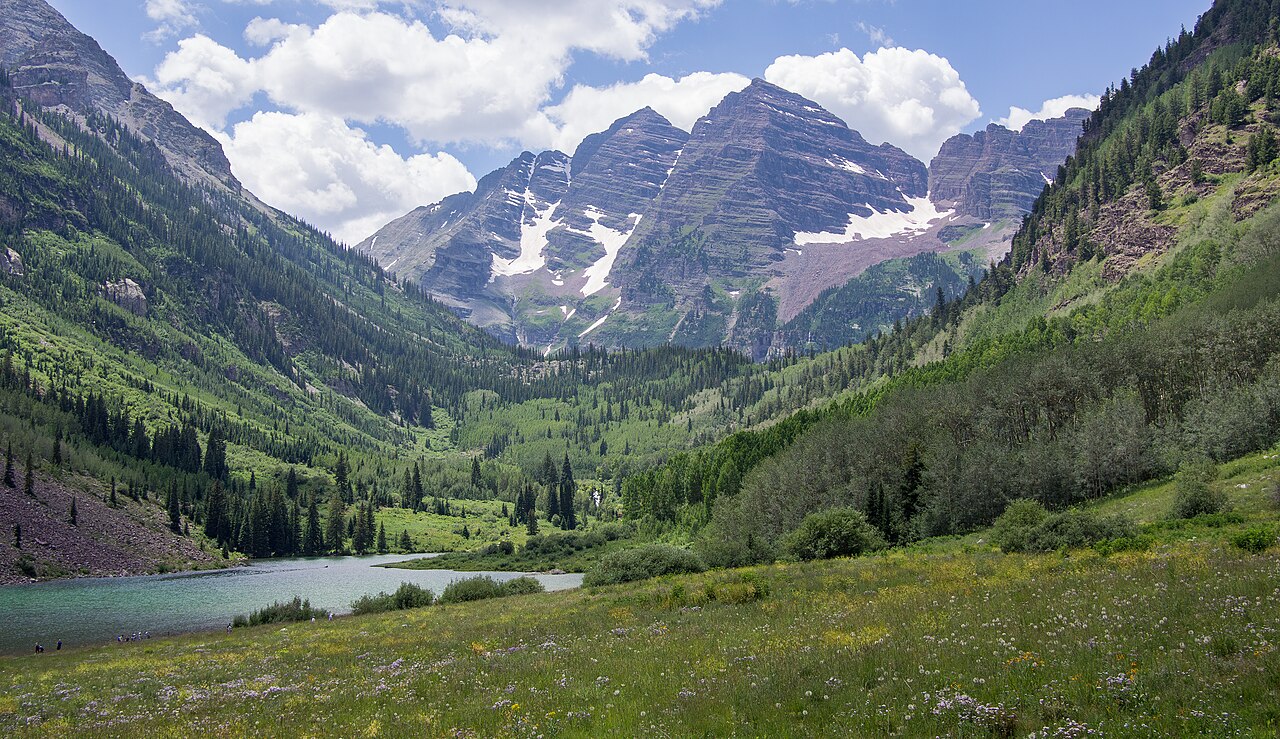
From June through August, Aspen is warm, bright and busy. Hiking, biking, rafting, the Maroon Bells and the gondola all operate, and the Aspen Music Festival fills the evenings with concerts. Independence Pass is open, wildflowers bloom in July and the days are long. Afternoon thunderstorms are common, so start outdoor activities early, and book hotels well ahead for festival weeks, when prices rise.
Autumn, for golden aspens
Late September is the signature moment, when aspen groves turn gold across the hillsides, from Maroon Lake to Independence Pass. Crowds are busy on color weekends but thin out soon after, and rates are lower than in summer. Nights turn cold and snow can arrive early, so bring layers. By late October, the leaves have gone, the pass closes and the town enters a second quiet period before ski season.
Weather and altitude
Aspen sits at roughly 7,900 feet, with dry air, strong sun and rapid weather changes in every season. Pack layers, sun protection and a rain jacket, and expect cool nights even in summer. Altitude affects everyone differently, so drink plenty of water, limit alcohol on the first day and rest if you feel unwell. Cold-weather visitors should carry traction devices for icy sidewalks.
What is open
The main shopping, dining and gallery scene runs year-round, but the shoulder seasons bring closures of a week or more for many restaurants. Ski lifts operate only in winter, the gondola runs in winter and summer, and seasonal roads such as Independence Pass and some trails close with snow. Check hours and seasonal schedules before you plan activities, especially for the Maroon Bells, Ashcroft and Glenwood Springs attractions.
Crowds and booking
The busiest times are the winter holiday weeks, presidents weekend and a few summer festival weeks. If you must travel then, book lodging, restaurants and popular activities months ahead and be flexible about timing within your stay. Midweek visits are always quieter, and mornings are better than afternoons for popular outdoor sights. In the shoulder seasons you can often find a table and a room with little notice.
Events and festivals
Aspen hosts a calendar of events, including winter sports competitions, summer music, food and wine gatherings, film festivals and ideas conferences. These can fill hotels and raise prices, so check the calendar before you choose dates, whether you want to attend or avoid them. Many events are open to the public and add to the experience, and the tourism board publishes schedules each season.
Quick comparison
Winter is for skiing and cozy evenings, spring for bargains and calm, summer for music, hiking and long days and autumn for golden leaves and clear air. Each has a price pattern too: highest in winter holidays, high in summer, moderate in early autumn and lowest in spring. Choose the season that matches your priority and book early for the busy ones.
Our pick
For first-timers who want it all, late June or September offers great weather, open attractions and manageable prices. Skiers should aim for midwinter midweek days, and budget travelers for May or October. Whenever you go, book early for peak periods, stay flexible with the weather and enjoy one of the most beautiful valleys in the Rockies.