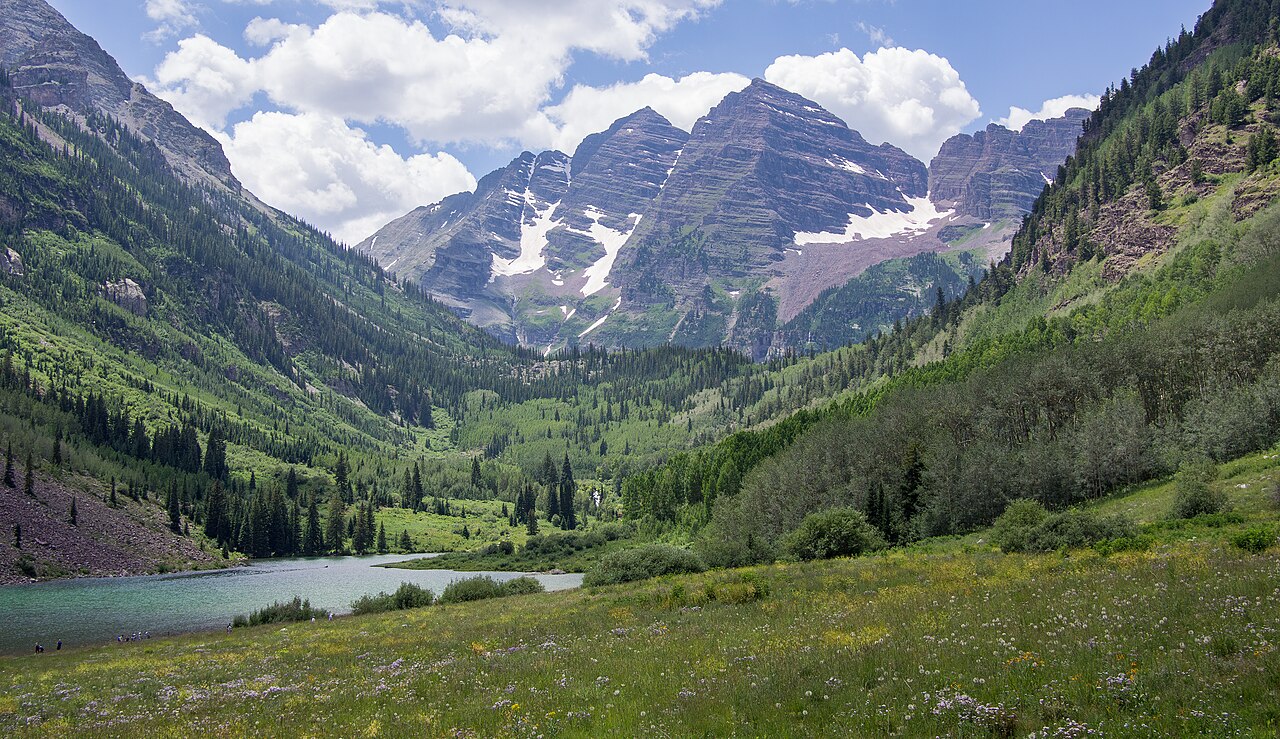
The Maroon Bells are the most famous view in Colorado, and with good reason. Two fourteen-thousand-foot peaks rise above a mirror-still lake, with aspens and spruce in the foreground and sharp, banded rock overhead. It is also one of the most visited places in the state, so a little planning turns a crowded stop into a memorable morning. This guide covers when to go, how to get there and what to do once you arrive.
Getting there
The scenic area lies about ten miles from downtown Aspen at the end of Maroon Creek Road. To protect the valley, access is managed in season with a shuttle and limited parking, and a reservation is generally required. The rules, dates and prices change from year to year, so check the current arrangements on the resort and tourism sites well before your trip. Outside the managed period, the road may be open to cars or closed for winter, and the experience is quite different.
When to go
The light is best at sunrise and in the first hour after, when the water is calm and the peaks glow. Midday brings the biggest crowds and harsher light, and afternoon storms are common in summer. Late September is famous for golden aspens, and the colors move down the valley over a couple of weeks. Early summer brings wildflowers, and winter brings snow and a very different, quiet landscape for those prepared for cold.
What to do at the lake
The easiest option is the path along Maroon Lake, mostly level and suitable for most visitors. Pause at the viewpoints, take photographs from low angles to catch the reflection and walk a little farther along the shore to escape the crowd. Interpretive signs describe the geology and wildlife, and picnic spots with a view are easy to find. Allow at least an hour even if you plan nothing else.
Hiking to Crater Lake
For a more complete visit, continue on the trail to Crater Lake, about two miles each way with a gentle climb through aspen forest and meadow. It brings you directly beneath the peaks and offers more solitude than the main lake. Start early, carry water and layers, and watch the sky, because thunderstorms can build quickly and exposed ground is dangerous. Longer loops over high passes are serious backcountry outings requiring experience and good weather.
Safety and respect
At about 9,500 feet, altitude can make easy walks feel hard, so drink water and rest as needed. Stay on marked paths to protect the fragile vegetation, keep a safe distance from wildlife such as marmots and bears, and carry out all trash. The peaks themselves are steep, loose and notorious for accidents, and they should be left to experienced mountaineers. Cell service is limited, so tell someone where you are going.
Making a day of it
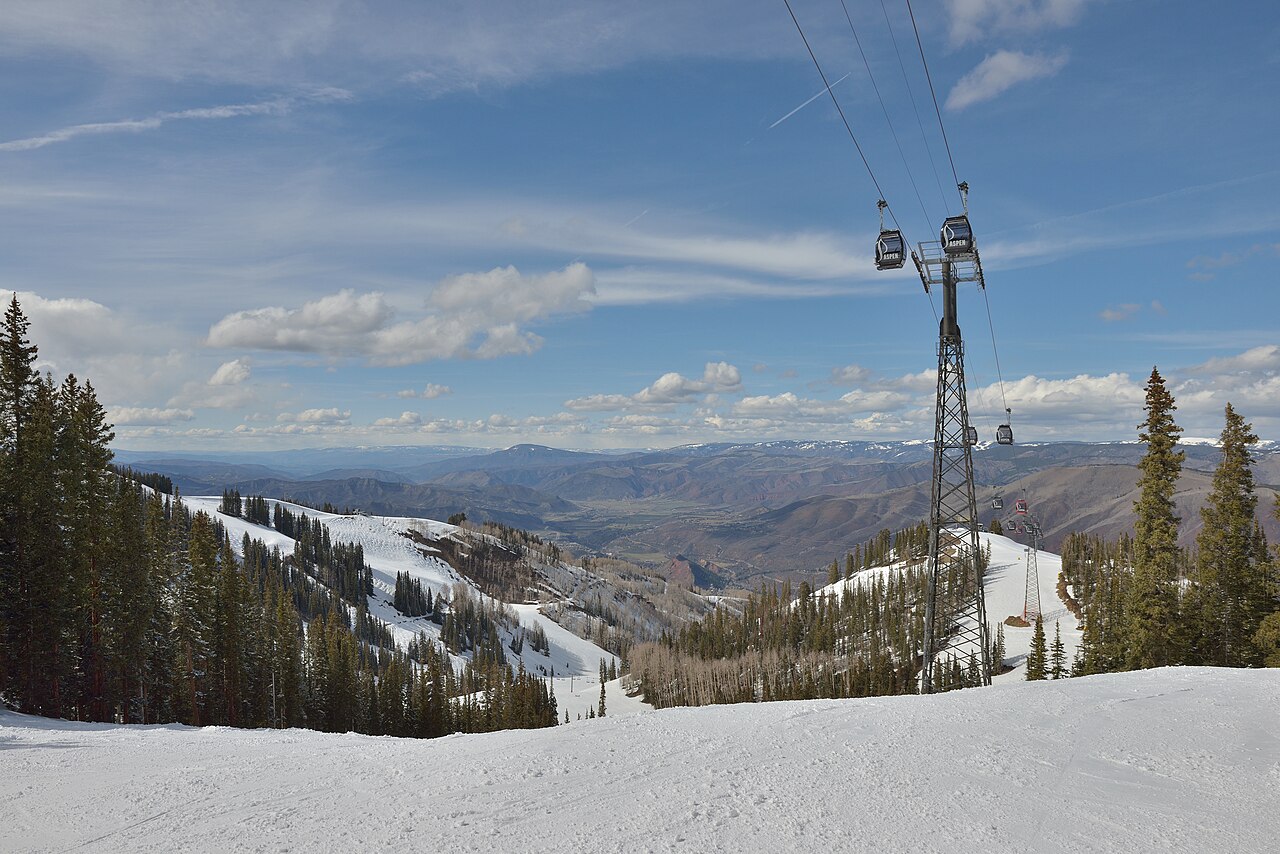
The Bells fit easily into a wider plan. Many visitors spend the early morning at the lake, return to Aspen for lunch and a walk downtown, then ride the gondola or visit the art museum in the afternoon. Others combine the morning with a drive over Independence Pass the next day. Photographers might want a second visit at a different hour, since the mood changes with the light, the season and the weather.
What to bring
Pack layers, a rain jacket, sunscreen, a hat, sunglasses, water, snacks and a camera or phone with a full battery. Comfortable walking shoes are enough for the lakeside path, while sturdier boots help on the Crater Lake trail. A small tripod is useful for sunrise photographs, and gloves and a warm hat are welcome on cold mornings even in summer. Download directions and keep your reservation details accessible offline, since cell service in the valley is unreliable.
Photography tips
Arrive well before sunrise to claim a spot, use a low angle close to the water to capture the reflection and watch for a short window when the first light strikes the peaks. Wind often ruffles the lake after the first hour, so the best reflections are early. In autumn, the aspens at the lake edge make a golden frame, and in winter the snow adds drama. Respect other visitors by not blocking paths.
Where to stay
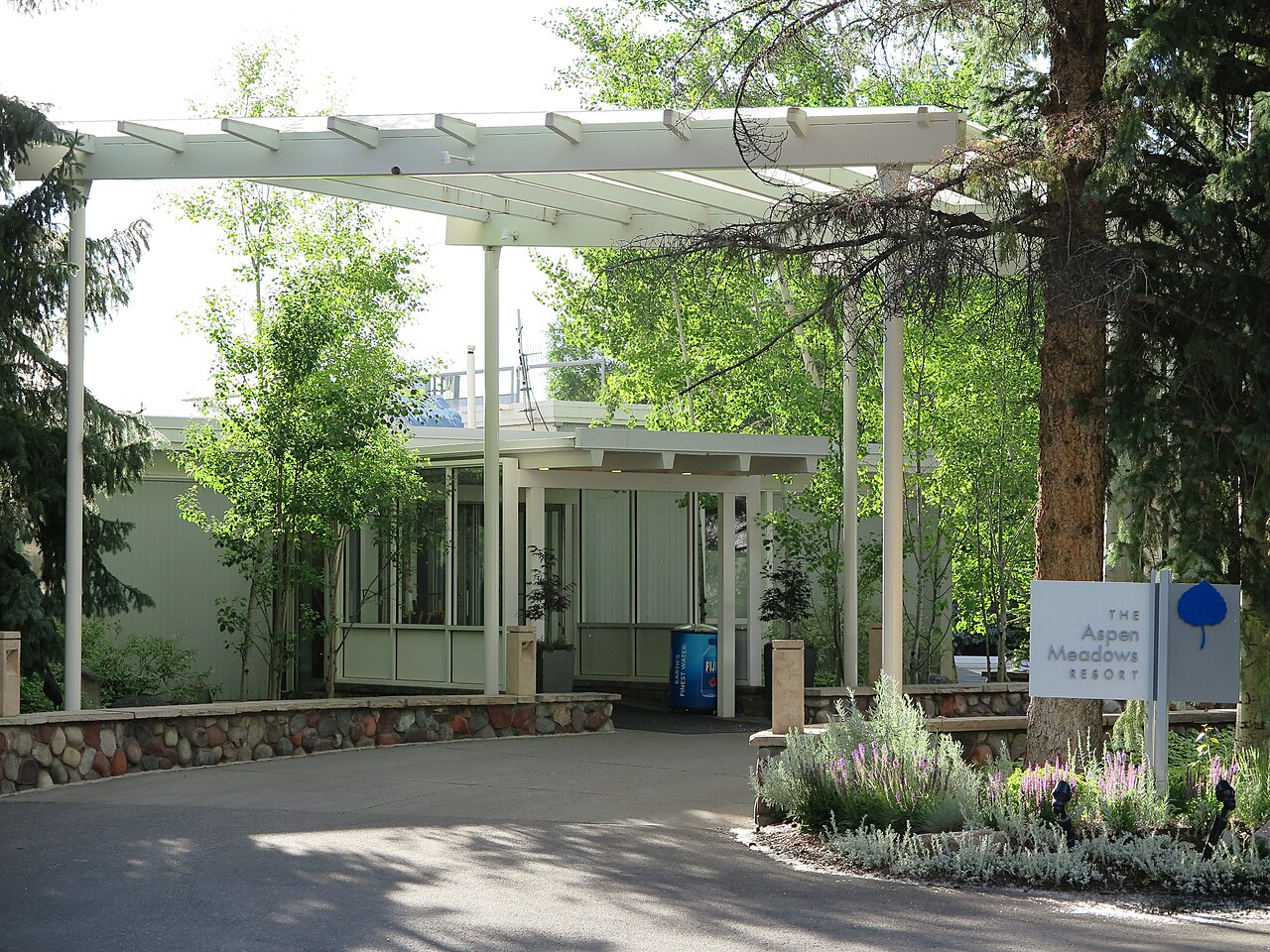
Anywhere in Aspen works, but staying close to the road to the Bells saves time on an early start. Aspen Meadows Resort and the downtown hotels are all within a short drive, and Snowmass Village has its own shuttle connections in season. Whatever you choose, set the alarm early, pack layers and let the mountains do the rest.