Baku is a compact capital with three distinct layers: a walled medieval core, a seafront boulevard and a skyline of glass towers, with some of the strangest day trips in the Caucasus an hour or so outside. A first visit works best when you group the city sights by area and spend the remaining time on one or two trips into the countryside. Here is the plan that suits most first-timers.
Before you go: what to book ahead
Very little in Baku sells out, but three things are worth arranging in advance. First, your day trip to Gobustan and the mud volcanoes, and the Absheron fire sites, because these need a driver or a tour and the best small-group departures fill up in the busy season. Second, a guided walk of the Old City, which turns a confusing maze into a story. Third, a night tour or a table for the Flame Towers evening. Everything else, including the Maiden Tower, the Shirvanshahs Palace and the Heydar Aliyev Center, can be done on the day with tickets at the door. Check entry rules for your passport before you book flights, because requirements vary by nationality.
Getting around
The centre is walkable, and the Old City is car-free. For everything else, use taxis and ride-hailing apps, which are inexpensive by Western standards, and the metro, which has a station beside the Old City walls at Icherisheher. A hop-on hop-off city tour bus also runs around the main sights. A funicular links the seafront with Highland Park above the Boulevard. For Gobustan, the mud volcanoes, Ateshgah and Yanar Dag, join a tour or hire a driver, because roads are rough and public transport is thin.
How many days
Two full days cover the city, and three days add a day trip. Four days let you do both Gobustan and the Absheron fire sites without hurrying, or add a trip into the mountains.
Day one: the Old City and the Boulevard
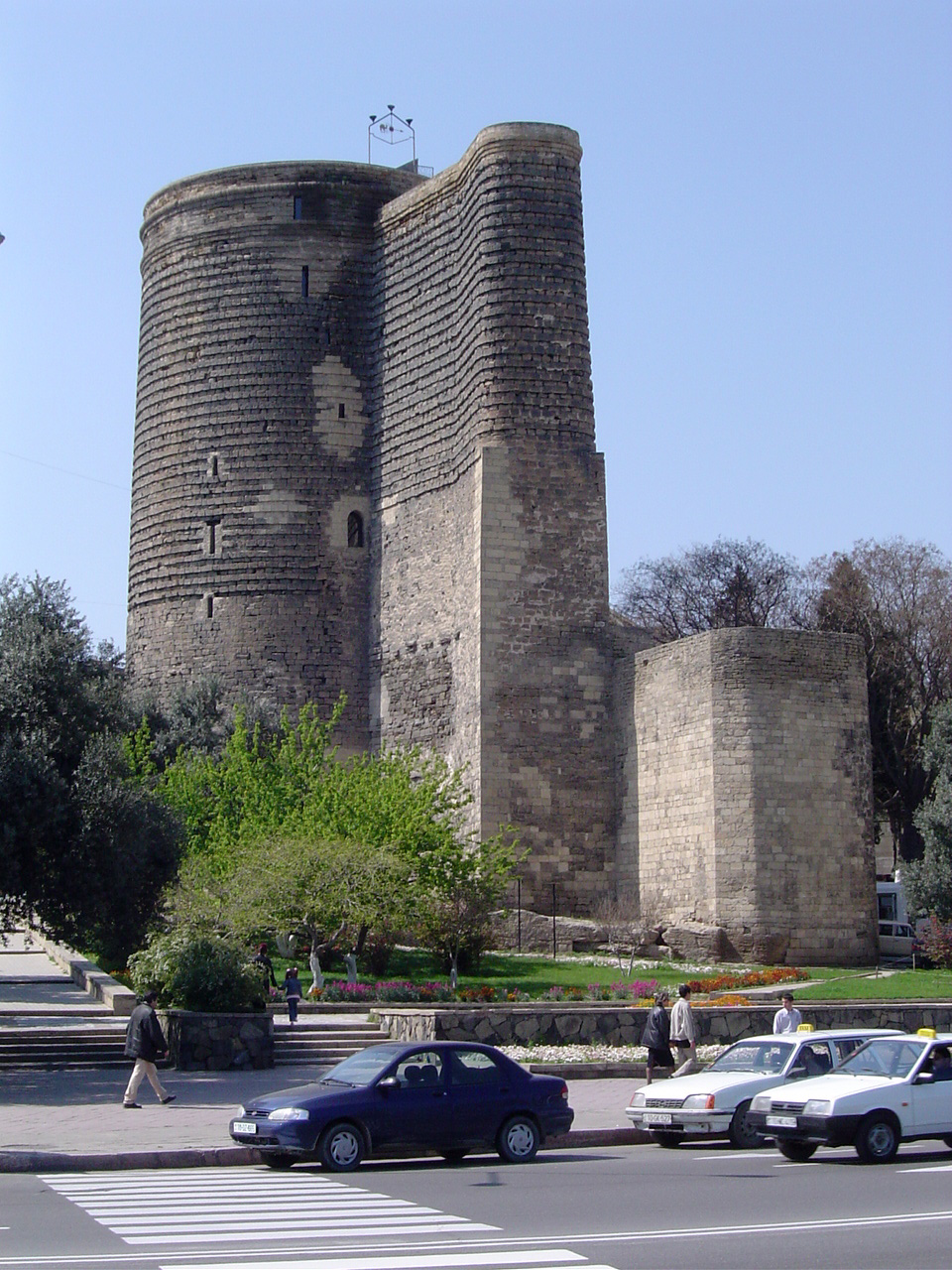
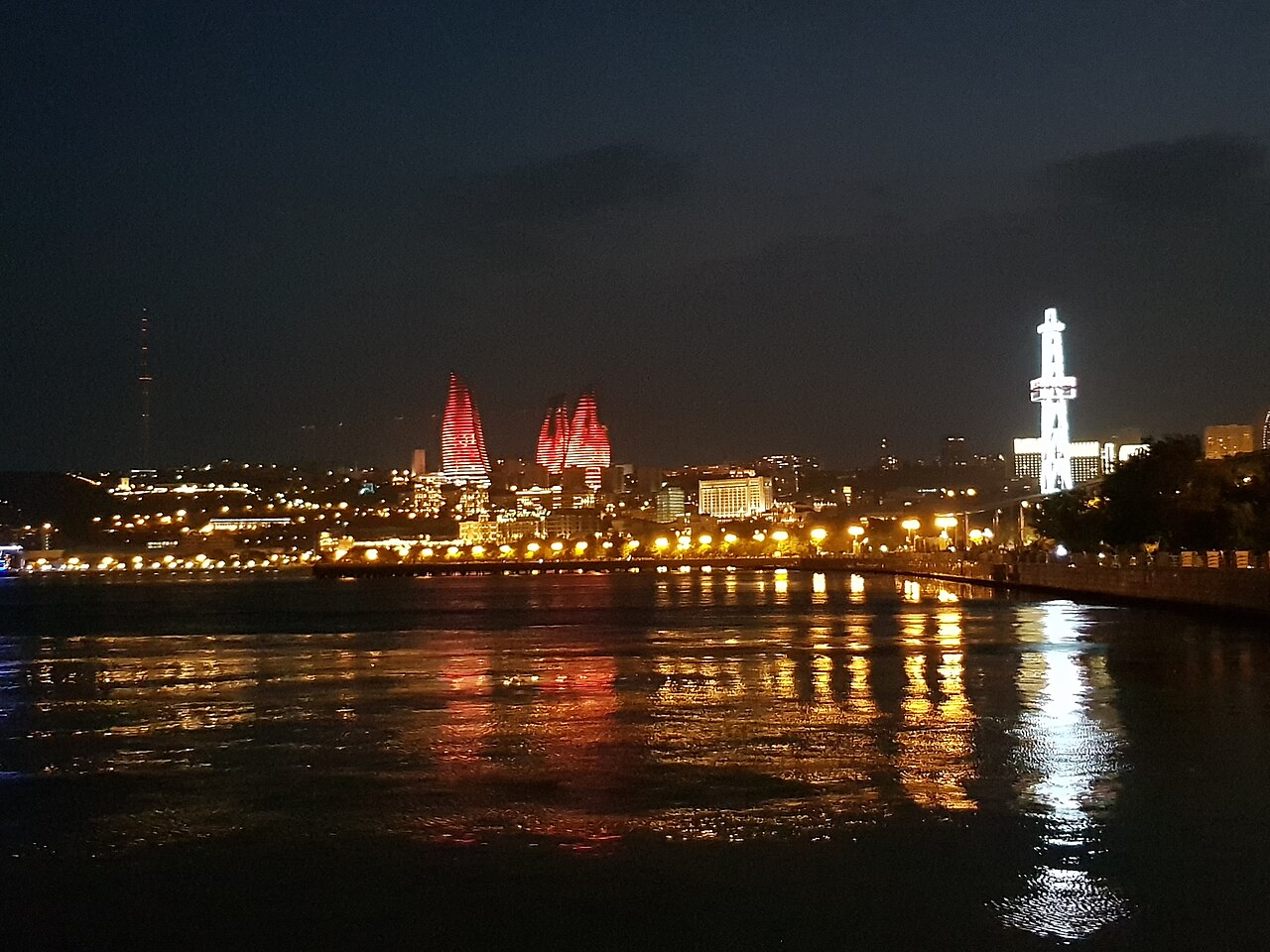
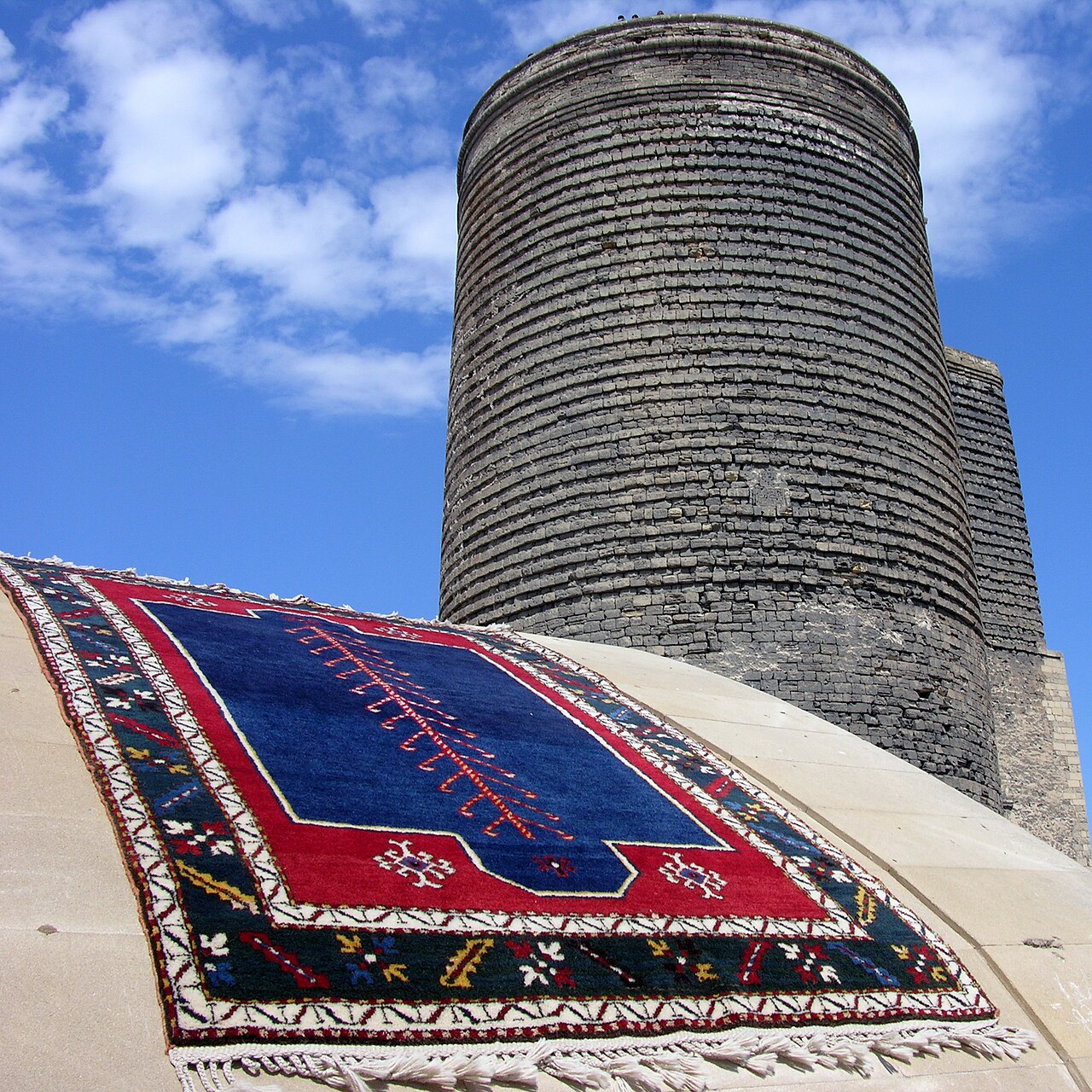
Start with a guided walk of Icherisheher in the morning, when the lanes are quiet. Climb the Maiden Tower for the rooftop view, then walk up to the Palace of the Shirvanshahs for the medieval carving. Eat lunch in the Old City or on Nizami Street, then spend the afternoon on the Baku Boulevard, strolling toward the Carpet Museum and Little Venice. Stay for dusk, when the Flame Towers light up above the city, and finish with a night tour or a simple dinner by the water.
Day two: modern Baku and food
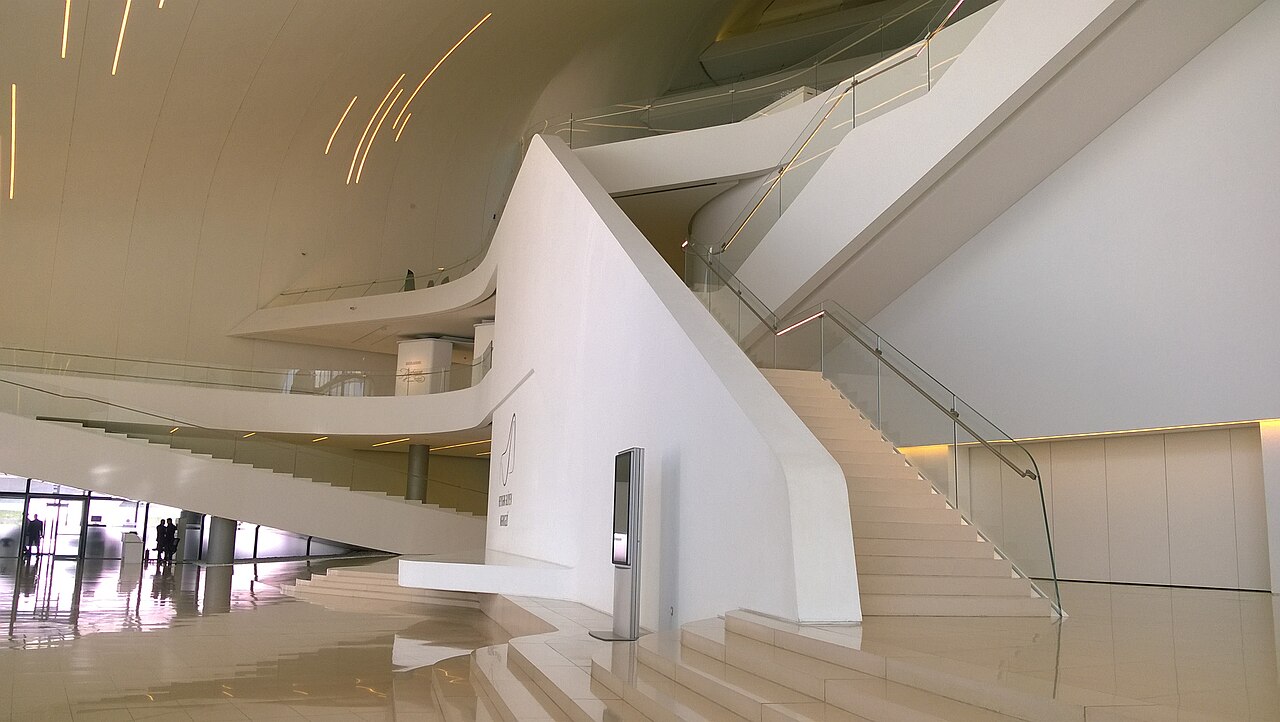
Go to the Heydar Aliyev Center in the morning for the plaza and the galleries, then spend the afternoon on a street food tour through central Baku to taste qutab, perashki and pakhlava. Return to the Boulevard or Highland Park for sunset views of the Flame Towers.
Day three: Gobustan and the fire sites
Take a half-day tour to Gobustan for the ancient rock carvings and the mud volcanoes. If you have time, add Ateshgah and Yanar Dag on the same day or the next, since many operators combine them. Dusk at Yanar Dag is the highlight, so ask for a late afternoon schedule if you can.
When to go and what to expect
Spring and autumn are the most comfortable seasons, and summer is hot and bright. In November, expect cooler temperatures, strong sea wind and the chance of rain, which can make mud tracks slippery on day trips. Pack a windproof layer, closed shoes for cobbles and mud and a small amount of cash for craft shops and tea stalls. Prices and hours change, so confirm details with each venue.
Where to base yourself
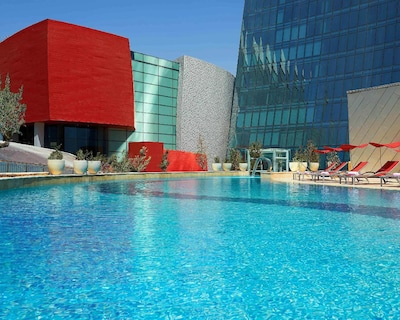
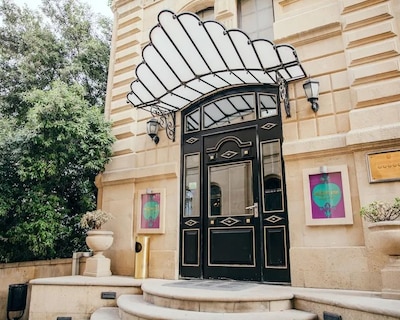
For the Old City on foot, stay inside the walls at a boutique such as the Sultan Inn. For skyline views and a spa, choose the Fairmont in the Flame Towers. For a dependable chain base, the Hilton is central, and the Boulevard Hotel is the bay-side option for families. The ibis keeps costs down. Our where-to-stay guide goes into each neighbourhood.