Azerbaijani food is one of the quiet pleasures of a trip to Baku. It sits between Turkish, Persian and Caucasian cooking, with plenty of herbs, saffron, dried fruit, nuts and slow-cooked meat. The portions are generous, the tea never stops flowing and the best meals are often the simplest. Here is how to eat well without a long list of restaurants.
The dishes to try first
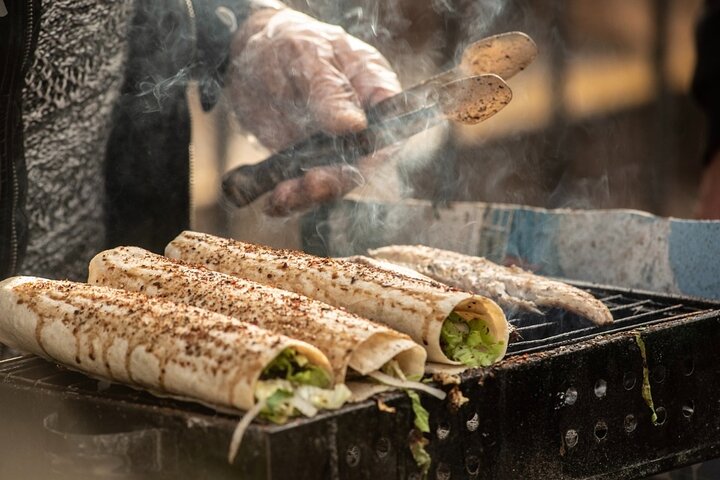
Start with plov, the rice dish served at celebrations, often tinted with saffron and cooked with lamb, chestnuts or dried fruit. Try qutab, thin folded flatbreads filled with herbs, meat or pumpkin and cooked on a hot griddle, usually served with yoghurt or sumac. Dolma, stuffed vegetables and vine leaves, appears in many forms, and in spring and summer a fresh herb platter with cheese and bread is a standard starter. Kebabs are grilled over charcoal, and piti, a lamb and chickpea stew cooked in a clay pot, is a regional favourite you should eat if you travel to Sheki. Dushbara, tiny dumplings in broth, and dovga, a herb and yoghurt soup, are comforting in cool weather.
Tea first, always
Tea is the heart of hospitality. It is served black in small waisted glasses called armudu, often with sugar cubes, jam or lemon on the side, and a pot is refilled until you stop drinking. A tea house or a terrace in the Old City is the best place to sit for an hour, and it is how locals break up a day. Turkish-style coffee is common too, but tea is what you will be offered first.
Sweets and pastries
Pakhlava, a layered pastry with nuts and syrup, is the signature dessert, and Sheki halva is its rival for the title of sweetest treat. Shekerbura, a small pastry filled with almonds, appears at Novruz in spring but can be found year round in bakeries. Jams made from sour cherry, fig, walnut and rose petal are served with tea and sold as souvenirs. Save room.
Street food and bazaars
For a guided introduction, a street food tour through central Baku is the most efficient way to taste qutab, perashki, pakhlava and more in one afternoon, with a local who can explain what you are eating and where to return. On your own, visit a food bazaar in the morning to see the produce, try dried fruit and nuts, and buy saffron, spices and jam for the trip home. Ask before taking photographs of stalls.
What to drink
Besides tea, try ayran, a salted yoghurt drink that is refreshing in summer, and sherbet, a sweet fruit drink served at celebrations. Azerbaijan has an old wine tradition, with vineyards around Shamakhi and Gabala and a growing number of tasting tours, and Baku restaurants offer local reds and whites alongside imports. Beer is widely available. Alcohol is served in most restaurants and bars, but the country is predominantly Muslim, so keep behaviour measured, and avoid it in religious places.
Where to eat
The Old City has terraces and traditional courtyards with a tourist premium and a good atmosphere. Nizami Street and the streets around it have cafes and restaurants at a range of prices. For a relaxed meal with views, try a rooftop terrace in the evening, and for casual lunches look for small places where locals queue. Hotel restaurants in the Fairmont, Hilton and Four Seasons are good for a polished dinner, and the Boulevard has cafes for sunset drinks. Restaurants are often busy on weekend evenings, so reserve in advance.
Practical tips
Tipping is customary at roughly ten per cent in sit-down restaurants if service is not included. Many places accept cards, but small tea houses and bazaar stalls prefer cash. Vegetarians can eat well on herb platters, dolma, cheese, eggs, pumpkin qutab and vegetable dishes, though many soups and rice dishes are cooked with meat. Tap water is generally not recommended for drinking, so choose bottled water. If you have allergies, ask your hotel to write a short note in Azerbaijani for restaurant staff.
One last tip
Do not be shy about asking what a dish is. Servers and guides are usually delighted to explain, and many restaurants will bring small tasting plates if you ask. Share dishes between several people so that you can try more, and finish every meal with tea, which is the proper full stop to a meal in Azerbaijan.