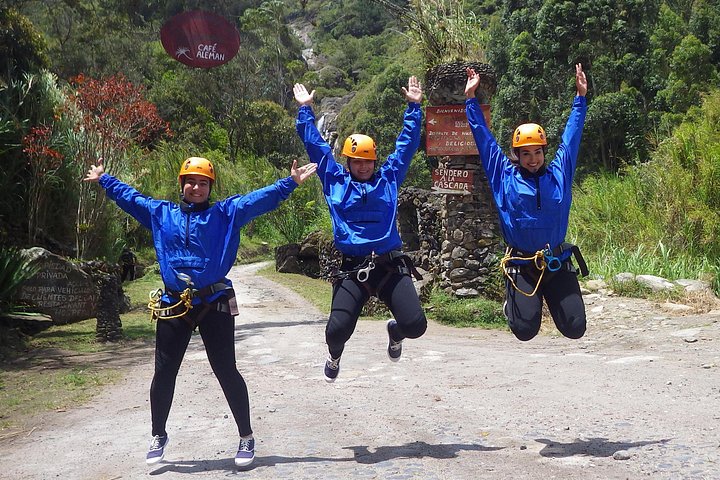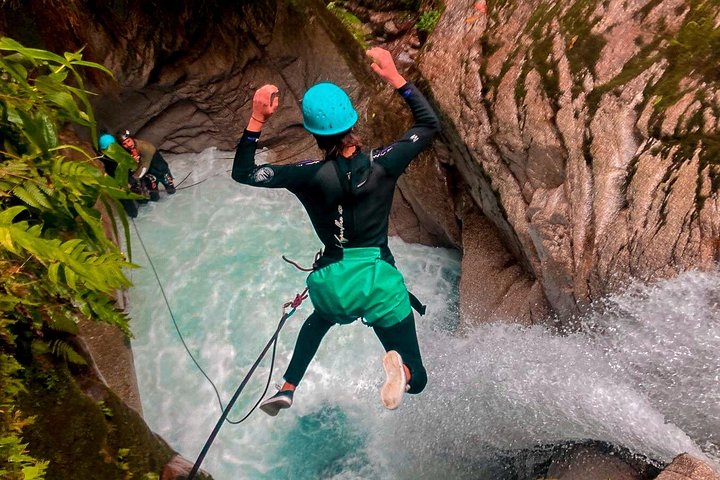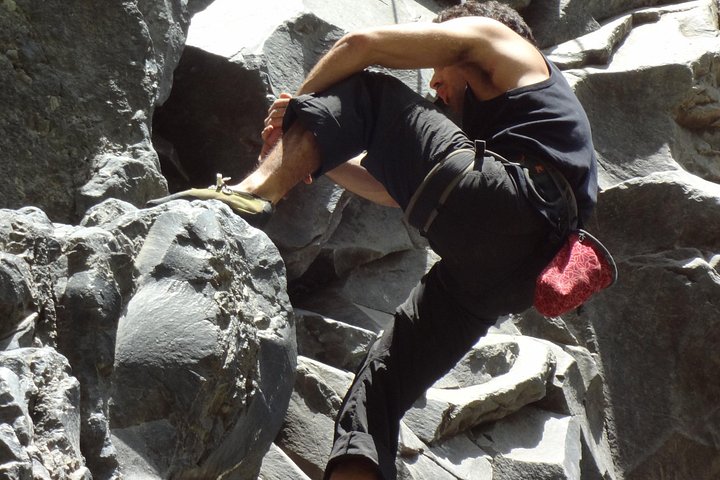
Banos has quietly become one of Ecuador's best places to try rock climbing, thanks to accessible walls of volcanic rock close to town. Operators run half-day sessions for beginners and intermediate climbers, supplying ropes, harnesses, helmets and shoes, and teaching the basics of movement, belaying and safety. The routes vary from easy slabs to steeper, more challenging lines. The experience is hands-on. After a briefing and a warm-up, guides set up top-rope climbs, and participants take turns climbing and belaying each other. Because routes are short, you can attempt several in a session, trying different styles and building confidence. Progress is quick for newcomers, and guides adapt to the group's level.
The rock near Banos is mainly basalt, which offers good friction and interesting features such as columns and cracks. Walls are often set above rivers or in forested gullies, so the setting is pleasant, and guides can pick climbs that suit the weather. After rain, some routes may be slippery, and guides will choose accordingly.
What do you need? Comfortable athletic clothing, shoes for the walk in, sun protection and water. Climbing shoes are usually supplied. Chalk is provided by some operators. Keep nails short and remove jewellery. Fitness helps but is not essential; technique matters more than strength, and many beginners are surprised by how quickly they improve.
The linked product is a half-day rock climbing session, which suits travellers who want a physical but not overwhelming activity. It pairs naturally with canyoning, since the skills overlap, and with rafting or canopy for a multi-sport week. Private sessions allow more personal coaching and can be arranged for families with teenagers.
Safety is paramount. Check that the operator uses proper equipment, checks harnesses and ropes, and has guides trained in rescue. A good guide will say no to unsafe conditions and will not rush you. Ask about group size, the number of climbs you can expect and what happens in poor weather.
Climbing also gives a different view of Banos. From the top of a wall you look across the valley toward the volcano, and the quiet focus of a climb offers a break from the busier tours. Whether you are a beginner looking for a challenge or a climber passing through, a session at Banos is a worthwhile addition to any adventure itinerary, and a hot spring soak afterward is a fine reward.
Ask the operator how many climbs are included and whether you can repeat favourite routes. Good guides give feedback on technique, such as using legs rather than arms and reading the rock for holds, which makes you improve rapidly. If you want to keep climbing during your stay, some companies offer multi-session packages or private coaching. Climbers who arrive with experience can ask about harder routes.
Wear a long-sleeved shirt for sun protection and bring a small towel for sweaty hands. Beginners often worry about strength, but climbing is mostly about balance and trust, and guides make sure that everyone finishes at least a few routes with a smile. Rest between climbs, snack on fruit and share encouragement with your group, which turns the session into a friendly, memorable afternoon.
What to expect
The experience
A guided half-day climbing session on volcanic rock near town, with equipment, instruction and several routes.
Best time
Dry mornings give the best grip. Wet rock can be slippery.
How long
About three to four hours.
Tips
Wear comfortable clothes, bring water and sun protection, and follow belay instructions carefully.
Quick picks
- Best for
- Active travellers who want to try climbing.
- Families
- Teenagers can join subject to operator limits.
- Couples
- A shared challenge that builds trust.
- Pair with
- Canyoning, rafting and the hot springs.
- Time needed
- Half a day.
Good questions
Do I need experience?+
No. Beginners are welcome and receive instruction.
What equipment is provided?+
Usually ropes, harnesses, helmets and climbing shoes.
What is the rock like?+
Mostly volcanic basalt with good friction.
Is it safe?+
Choose an operator with proper equipment and trained guides.
What if it rains?+
Wet rock can be slippery, so sessions may be changed or postponed.