Barbados takes its food and drink seriously, and a short list of local specialties will take you a long way. The cooking draws on African, British, Indian and Caribbean roots, with fresh seafood, root vegetables and a generous use of pepper sauce, and the island has a strong claim to being the birthplace of rum. The best way to eat well is to mix a few set-piece experiences with plenty of casual stops.
The national dish
Cou-cou and flying fish is the dish most associated with the island. Cou-cou is a smooth, polenta-like mixture of cornmeal and okra, stirred until thick, and it is served with steamed or fried flying fish in a seasoned gravy. Many restaurants serve it, and it appears on lunch menus and at traditional Sunday meals. Try it at least once, ideally at a small local restaurant rather than a large hotel dining room.
Street food and snacks
Fishcakes, called codcakes in some places, are fried salted-fish fritters that you will find at beach bars and roadside stalls. A cutter is a salt-bread sandwich filled with fish, ham, cheese or fried chicken, a classic cheap lunch. Macaroni pie, a baked pasta dish, is a staple on a Bajan plate, along with rice and peas, fried plantain and a simple salad. On Saturdays, look for pudding and souse, a traditional dish of steamed sweet potato and pickled pork. Local fruit, from sugar apples to mangoes and golden apples, is worth buying at roadside stands when in season.
The Oistins Fish Fry
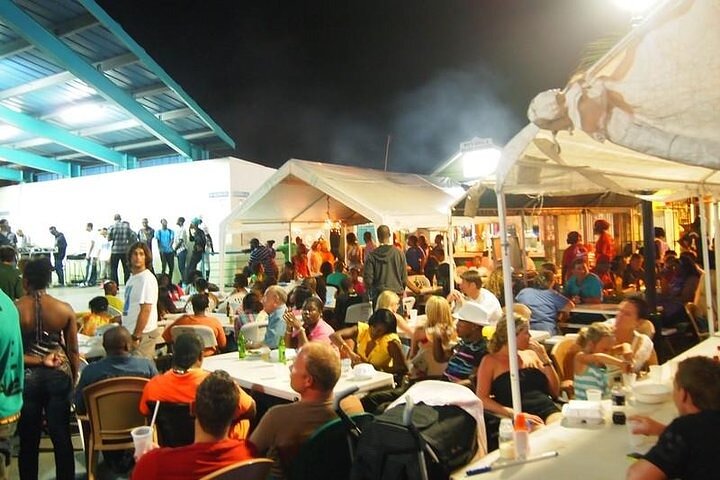
On Friday evenings, the fishing village of Oistins turns into a lively open-air market, with stalls grilling marlin, mahi-mahi, tuna and swordfish and serving them with macaroni pie, salad and rice. There is music, dancing and a crowd of locals and visitors. Go early to beat the queues, bring cash and choose a stall that is busy. If you prefer reserved seating and hotel pickup, an organised evening tour takes care of the logistics.
Rum
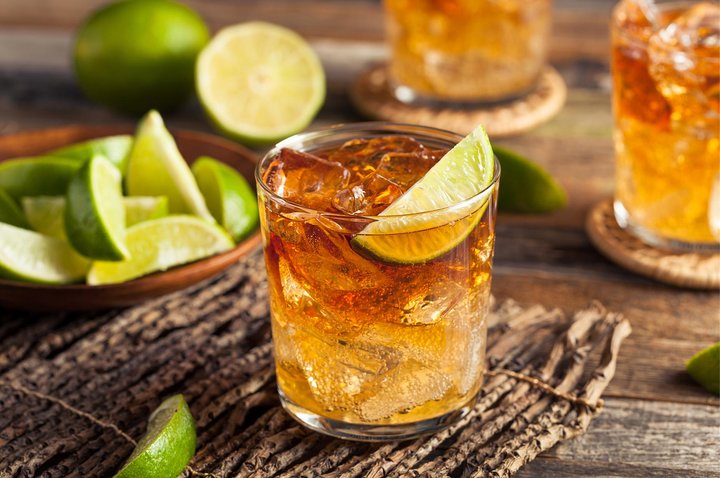
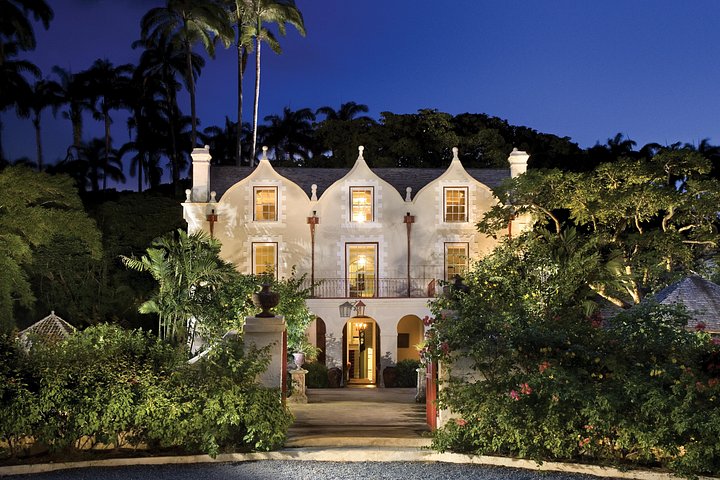
Barbados claims to be where rum began as a commercial spirit, and the island offers some of the Caribbean's best distillery experiences. Mount Gay, based near Bridgetown, offers tours that explain the history and blending, ending with a tasting. Foursquare is a more modern, connoisseur-focused distillery, and the Discover Rum tour combines it with Mount Gay for a deeper look. St Nicholas Abbey in the north adds a heritage great house, a working distillery and a steam railway. Rum shops, the small neighbourhood bars found in almost every village, are the best way to drink locally: order a measure of rum with a mixer and a glass of ice, and strike up a conversation. Rum punch, often made to the rhyme of one of sour, two of sweet, three of strong and four of weak, is served everywhere, and each bar has its own version.
Other drinks
Banks is the local beer, light and cold and well suited to the heat. Falernum, a sweet lime and spice syrup, is a key cocktail ingredient. Fresh coconut water, sold from roadside stands, is the best non-alcoholic refresher.
Where to eat
The west coast around Holetown has some of the island's most polished restaurants, many with tables on the sand. The south coast around Rockley and St Lawrence Gap offers a mix of casual bars, grills and international kitchens, with a livelier evening scene. Bridgetown has lunch spots serving local plates to office workers, and the east coast around Bathsheba is the place for a simple fish lunch with a view of the surf. If you want to learn how to cook Bajan dishes, a cooking class is a good way to spend a rainy morning.
A simple plan
For a first visit, eat one meal of cou-cou and flying fish, join the Friday fish fry, taste rum at a distillery and spend an hour in a village rum shop. That covers the island's food story from the sea to the still, and it costs far less than a week of hotel dining.
Tips
Many restaurants add a service charge, so check the bill before tipping. Book popular restaurants in the winter high season, particularly on the west coast. Carry small notes for stalls and rum shops, drink bottled or hotel-filtered water if you prefer, and pace yourself with rum, since the local measures are generous. Food tours and tastings are worth considering for a first visit, since a local guide will lead you to dishes you might miss alone.