Barbados is warm all year, with temperatures that vary only a few degrees between seasons, so the real question is not whether it will be warm but how busy, wet and expensive you want your trip to be. The year divides into a dry, popular winter season and a hotter, greener, quieter summer and autumn, with a few shoulder months in between.
December to April: the dry, busy season
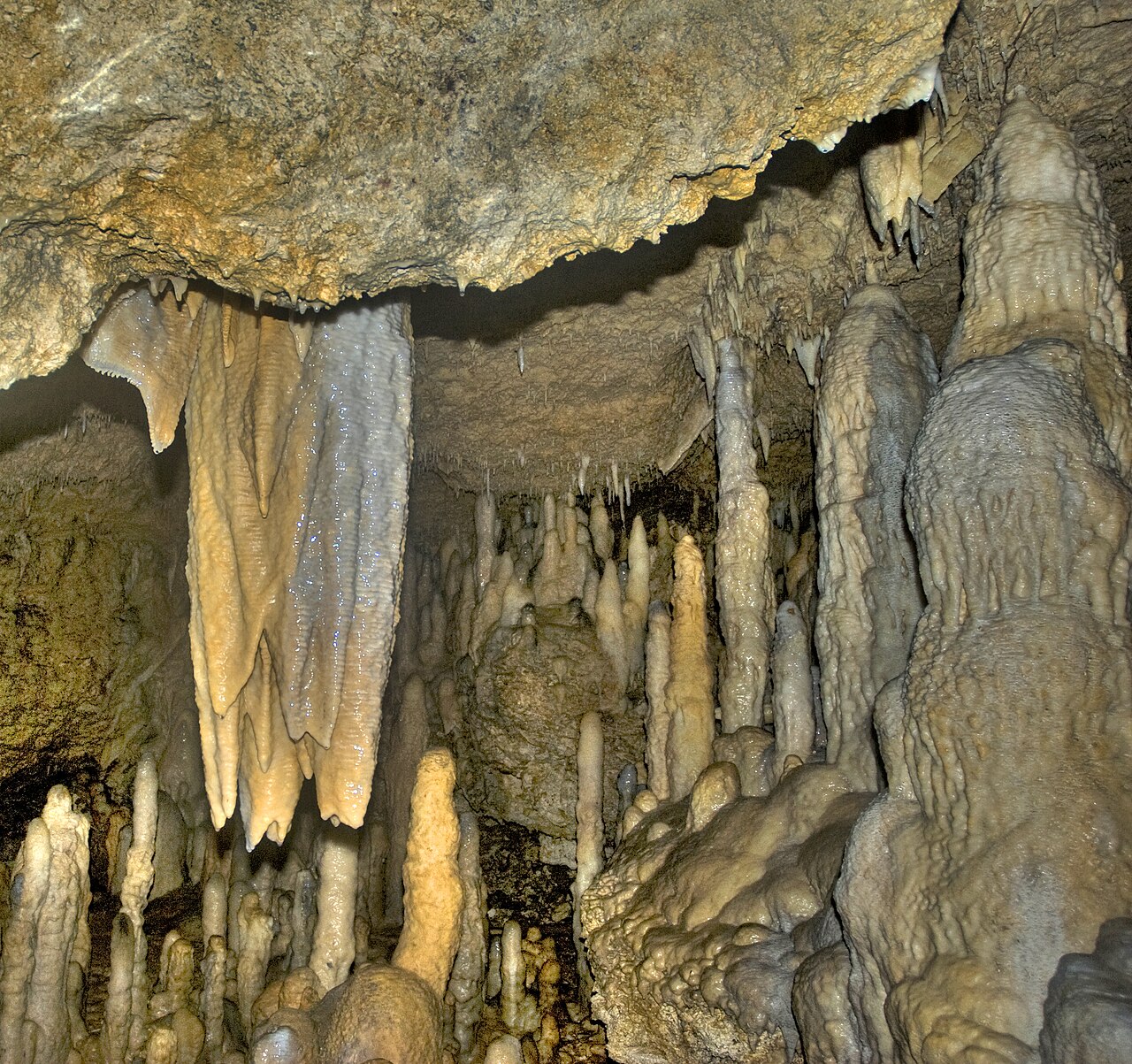
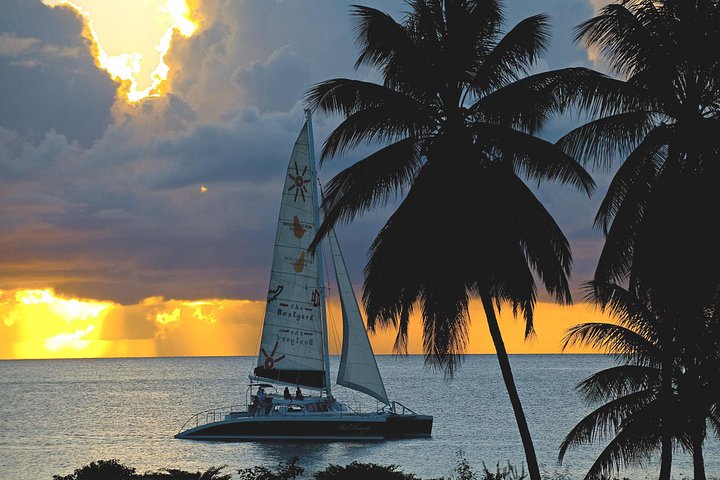
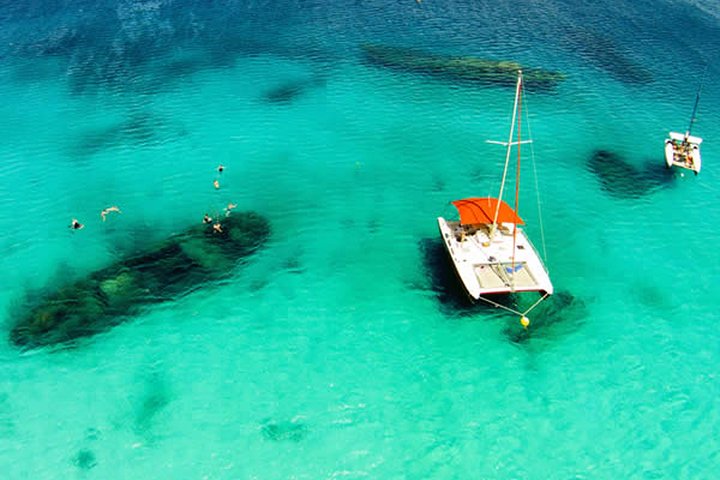
This is the peak. Skies are sunny, humidity is lower, the trade winds are refreshing and the sea is usually calm on the west coast, which makes for the best snorkelling and sailing. It is also the most expensive time. Hotel rates rise, some properties require minimum stays over Christmas and in February, and the most popular excursions sell out. Book flights, hotels, the catamaran cruise and Harrison's Cave well in advance. The advantage is reliability: you can plan outdoor days with confidence, and the restaurants, beach bars and nightlife are at their liveliest.
May to June: the shoulder
The crowds thin and prices fall, but the weather remains pleasant, with sunshine and occasional showers. Late spring is a good compromise for travellers who want reasonable weather without the highest prices. Some hotels begin offering seasonal deals, and it is easier to find space on popular tours.
July to November: the hot and wet season
Temperatures and humidity rise, rain showers become more frequent and heavier, and the island is greener. This is also the Atlantic hurricane season, which runs from June to November. Barbados lies to the south-east of the main storm track and is rarely struck directly, but tropical systems can bring rain, wind and rough seas, so buy travel insurance and keep an eye on forecasts. In exchange, prices are lower, beaches are quieter and many hotels run offers. Some properties close for refurbishment in the quietest weeks, so check dates when you book. Snorkelling can still be excellent on calm days, but visibility may drop after heavy rain.
Festivals and events
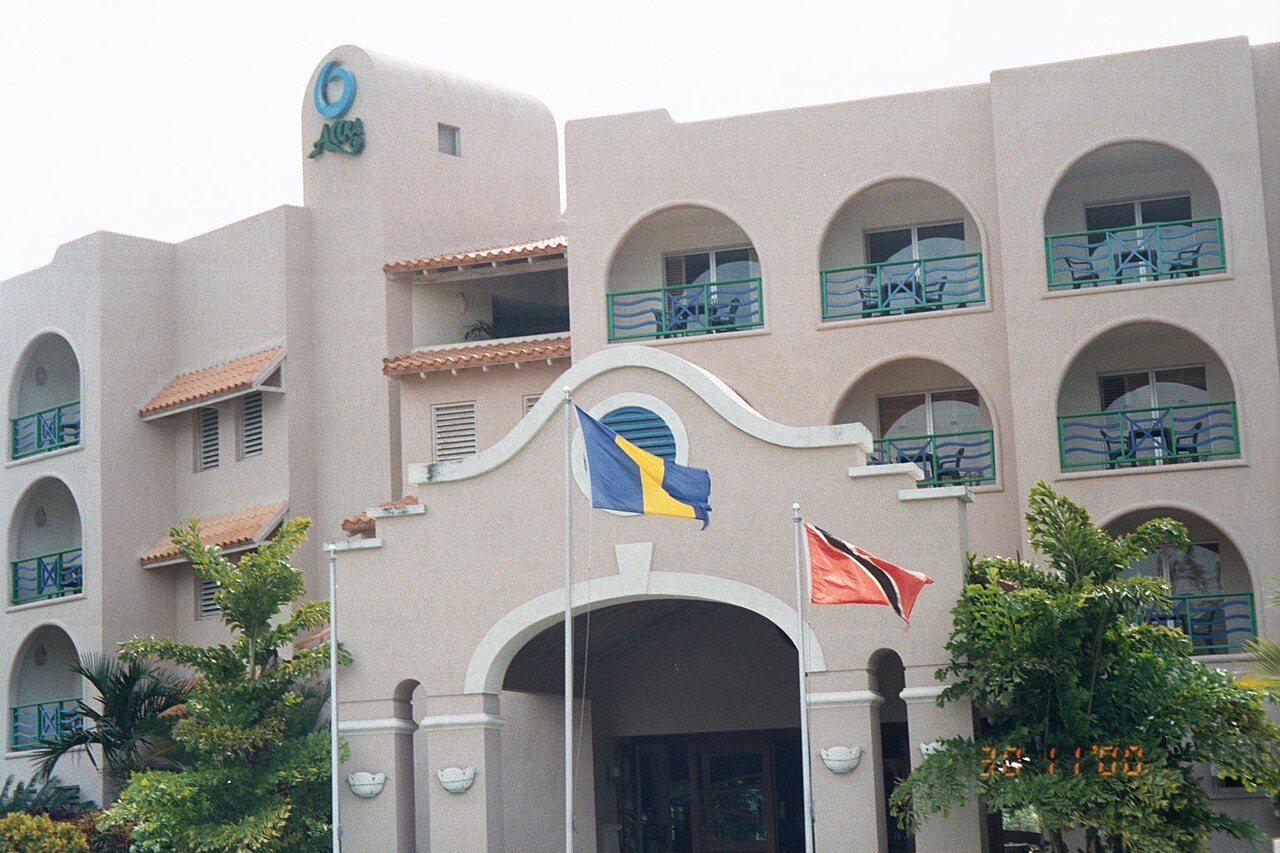
The Crop Over festival, a celebration of the end of the sugar harvest, is the island's biggest cultural event and builds through July to a carnival-style finale in early August. It brings music, costumes and parties, and accommodation books up. Independence Day on 30 November is marked with parades and cultural events. Other events, including food and rum festivals, jazz, horse racing, regattas and sporting fixtures, are held at different times, so check what is on for your dates and book early if you want to take part.
Sea conditions
The west coast is calm for most of the year, which suits swimming and cruises, while the east coast is rough in every season. Winter swell can occasionally make the south coast choppier, and the north can see large waves. If snorkelling and cruising are a priority, choose the dry season, but the shoulder months are almost as good.
How timing affects planning
If you want sunshine, calm seas and a lively scene and can afford it, go between December and April. If you want value, quiet beaches and do not mind the odd shower, consider May, June or the autumn months. If you want culture and a party, plan around Crop Over. Whenever you travel, book popular excursions early, plan outdoor activities for the morning and carry reef-safe sunscreen, a hat and water. Have a plan for rainy days, such as the Barbados Museum, Harrison's Cave, a rum tour or the submarine, which all work well in showery weather.
Where timing meets location
The west coast is calm all year and suits the winter, while the south coast stays lively and offers good value in the quieter months. Our guide to where to stay explains how each coast changes with the seasons.