Bariloche works in every season, but each one gives a different trip. The right time depends on whether you want snow, warm lakes, quiet trails or autumn colour. Because the Southern Hemisphere's seasons are reversed, winter here runs from June to August and summer from December to February.
Winter, June to September: ski season
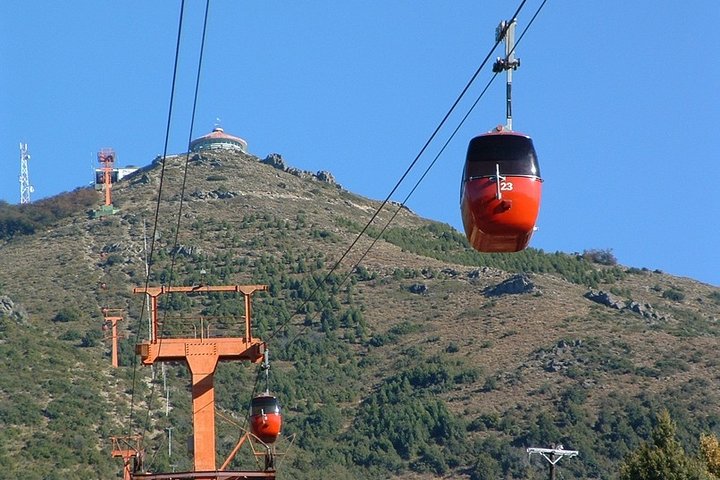
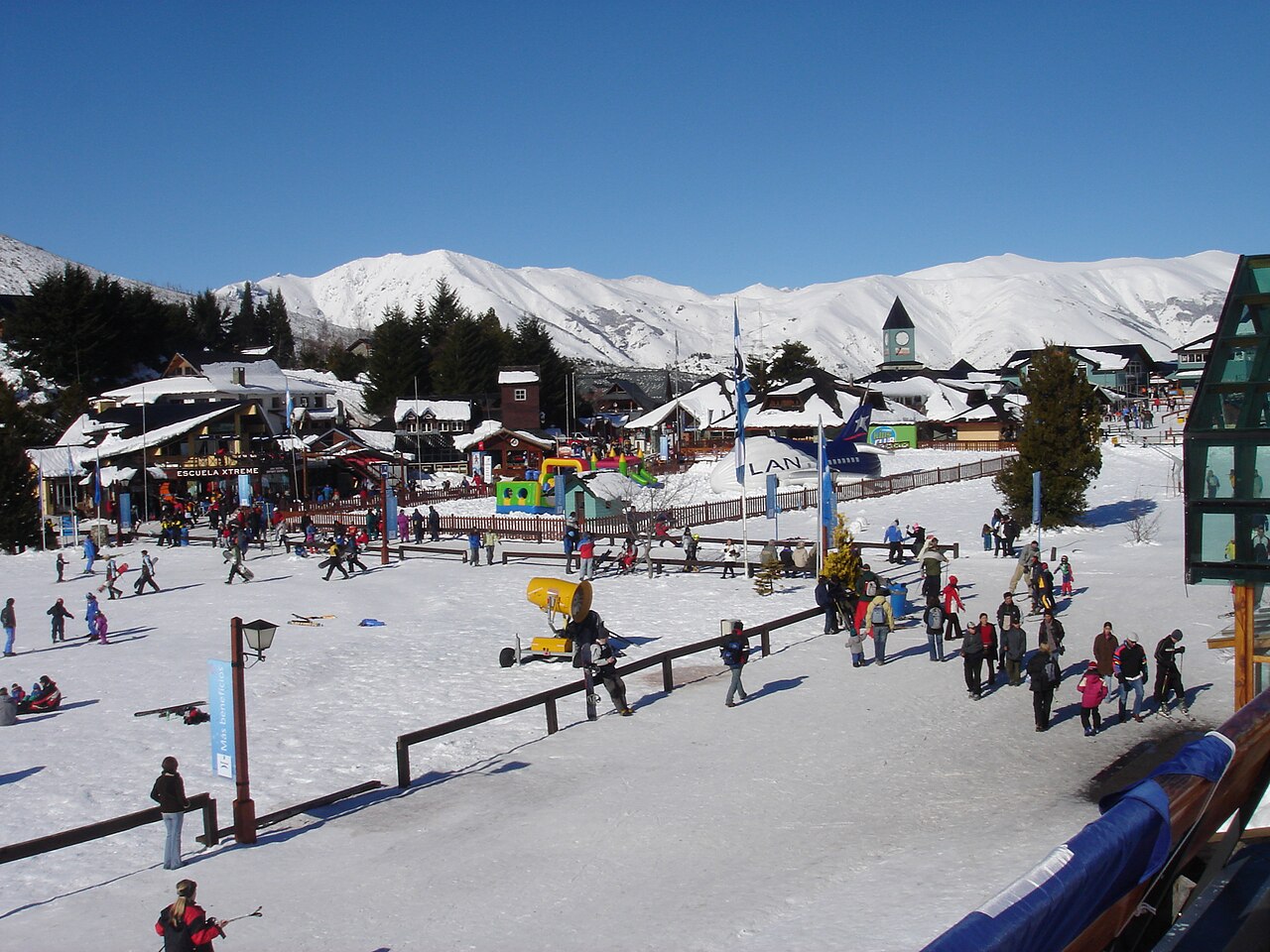
This is when Cerro Catedral is at its best, with lifts, lessons and rentals running at full strength. The July school holidays are the busiest and most expensive weeks, so book accommodation, lessons and transfers well ahead. Days are short and cold, the lake is steel-grey and the town is lively, with fondue, hot chocolate and apres-ski on the menu. Some roads and viewpoints can be affected by snow, and the western arms of the lake may have limited boat services, so confirm tours before you go. If you do not ski, snowshoeing, short winter walks and the cable car on Cerro Otto are good alternatives.
Spring, September to November: quiet and green
Spring brings snowmelt, full waterfalls, fresh green forest and peaks that still carry snow. Crowds are thin and prices are lower than in the main seasons, which makes it a good time for photography and value. The trade-off is that some services run reduced schedules. Lifts on Cerro Catedral and Cerro Otto may have limited hours or maintenance closures, some tea houses keep shorter hours and the weather swings between sun, wind and showers. Layers and a waterproof jacket matter. Boat trips and the Circuito Chico run through the season, and waterfalls such as Los Cántaros are at their fullest.
Summer, December to February: warm and busy
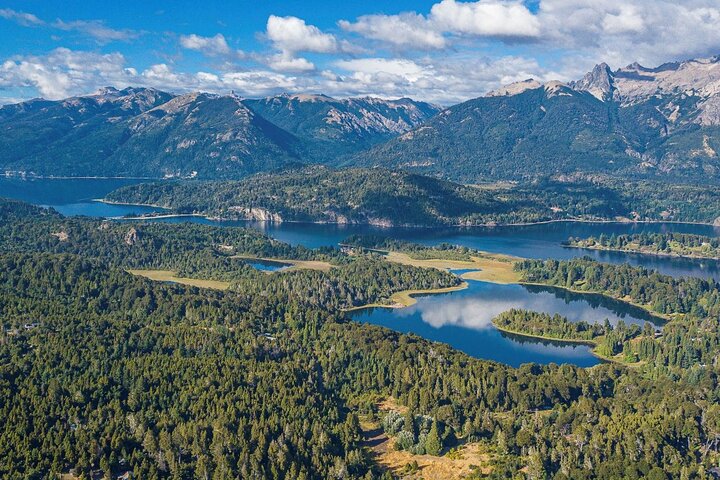
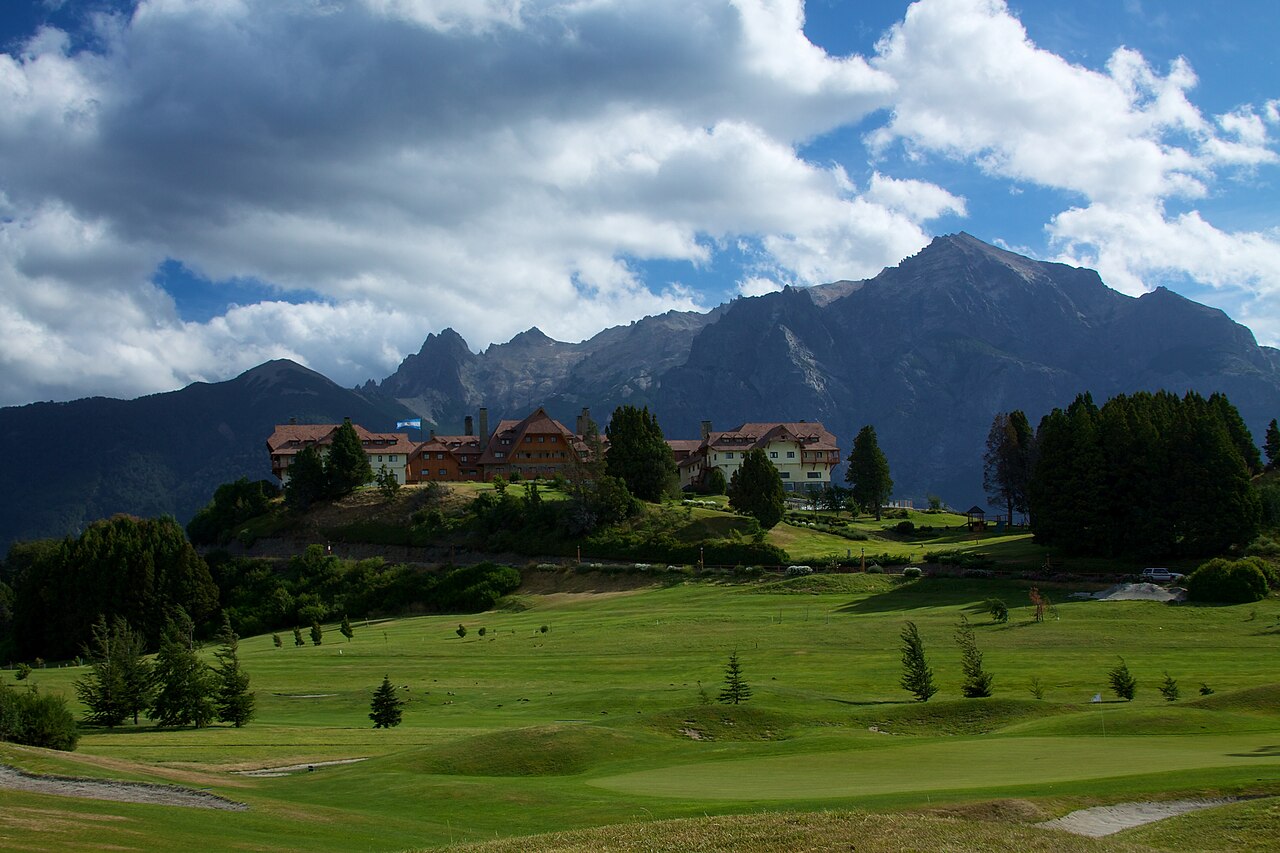
Long days, warm lakes and open trails make this the most active season. Rafting, kayaking, hiking and mountain biking are at their best, the lifts at Cerro Catedral run for views and the bike park, and all the boat trips operate at full capacity. January and February are the peak, with higher prices, full hotels and busy roads, especially on Avenida Bustillo and in the town centre. Reserve boats, popular tours and restaurants ahead. Mornings and evenings are the quietest times at the main viewpoints. Even in summer the weather can turn cool and windy, so carry a layer.
Autumn, March to May: gold and red
Many regulars say autumn is the best season. The lenga and ñire trees turn red and gold, the air is crisp, crowds fall away after the summer holidays and the light is soft. It is a superb time for the Route of the Seven Lakes, hiking and the Circuito Chico. By May the days shorten, temperatures drop and some summer services wind down, with lifts and cable cars often closing for maintenance before the ski season begins. Check schedules if a particular lift matters to you.
Choosing by priority
For skiing, go from late June to early September, avoiding the July holidays if you can. For hiking and water sports, choose December to March. For colour and calm, choose April, and for waterfalls, quiet trails and value, choose October or November. For a first visit with no strong preference, late summer and early autumn combine mild weather with fewer crowds than January.
Daylight and temperature
Latitude matters here. In midsummer the sun stays up for well over fifteen hours, which gives long evenings for lake walks and late dinners, while in midwinter the day shrinks to roughly nine hours, so plan outdoor activities for the middle of the day. Nights are cool even in summer, and mountain tops can be cold and windy in any month. Weather moves fast, and a clear morning can turn to rain by afternoon, so treat any forecast as a guide rather than a promise.
Prices and booking
Hotels charge the most in July and in January and February, and the least in spring and late autumn. Tours and lessons follow a similar pattern. Where a tour depends on weather or on a lift, ask how rescheduling works before you pay.
Whatever the month
Mountain weather is changeable, so pack layers, a waterproof jacket, sun protection and sturdy shoes. Keep one flexible day in your plan so that the best viewpoint day can fall on the clearest morning.