Basel is a compact city with an outsized cultural life. It sits where Switzerland, Germany and France meet, on a sweeping bend of the Rhine, and in a few square kilometres it holds a medieval old town, one of the world great concentrations of art museums, a chemical and pharmaceutical industry that funds much of it and a river that everyone uses for swimming, strolling and crossing by ferry. Three days is a comfortable length for a first visit, with time for the major sights, a long lunch or two and a little wandering. This plan keeps walking distances short and leaves room for the weather.
Day one: the old town and the river
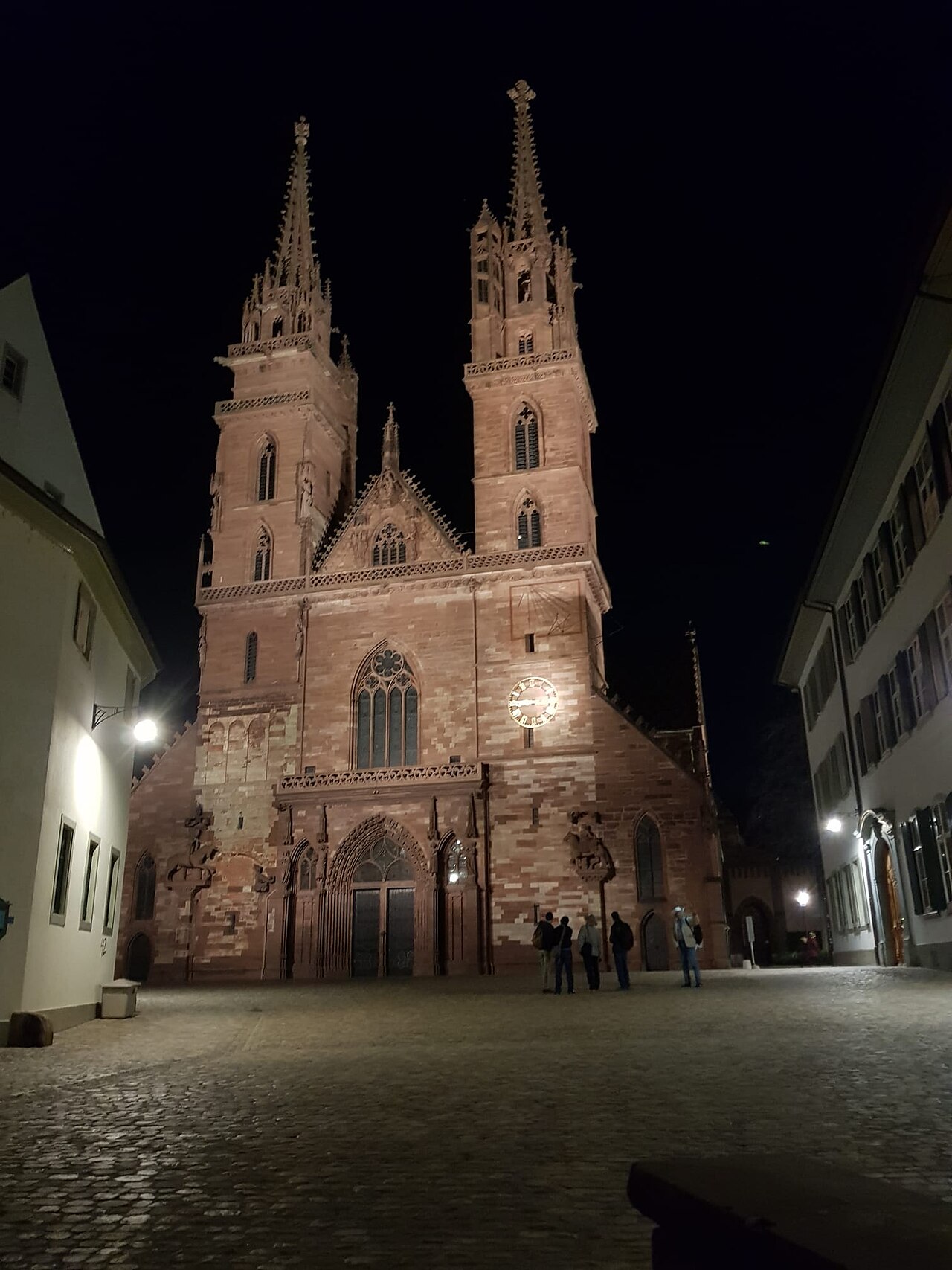
Start on the Marktplatz, where the red sandstone Rathaus rises above a produce market on most mornings. Step into the courtyard to see the painted walls, then wander through the lanes towards the Spalentor, one of the best preserved medieval gates in Switzerland, and back up to the Munsterplatz. The minster is the main stop of the morning: look at the cloister, climb a tower if your legs allow and finish on the Pfalz terrace, where the Rhine lies far below. Have lunch in the old town, then walk down to the river and cross on a cable ferry, an experience that takes two minutes and costs very little. On the Kleinbasel bank, take a drink at a riverside bar and watch the swimmers and the light on the minster. A guided old town walk is a fine alternative to doing the morning alone, because the stories add a great deal.
Day two: the art museums
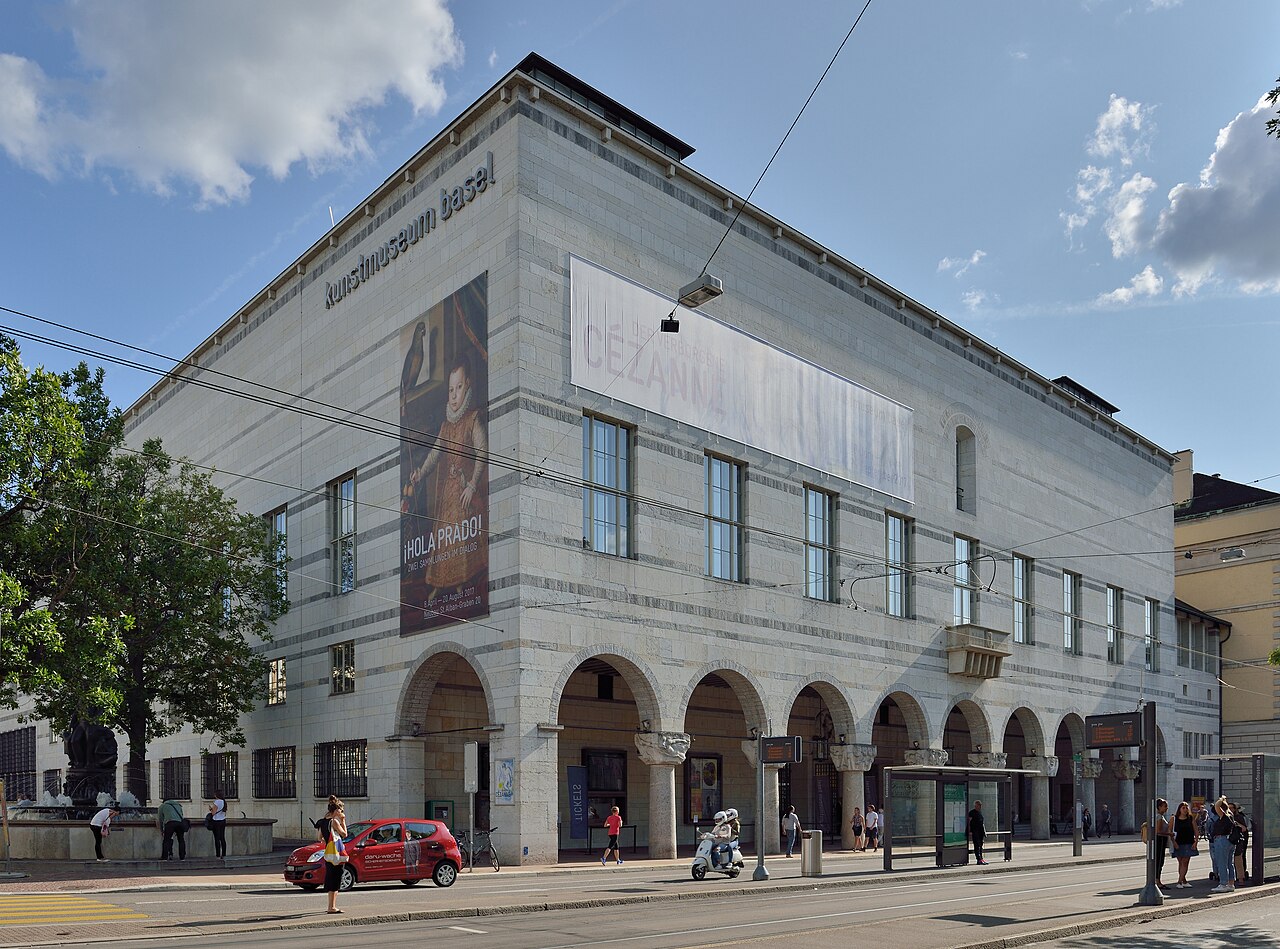
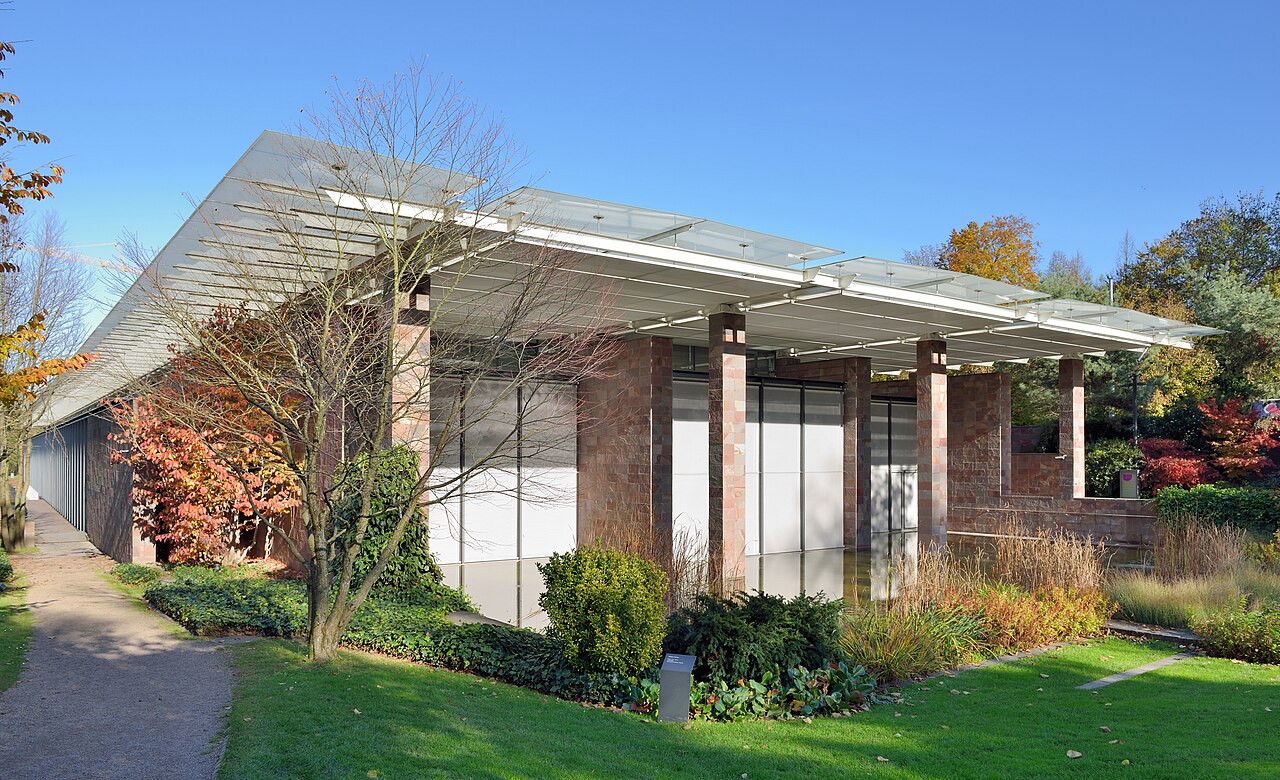
Basel claims more museums per head than any other Swiss city, and you do not have to choose just one. Spend the morning at the Kunstmuseum Basel, the oldest public art collection in the world, with Holbein, Impressionists and a first rate Cubism section. After lunch, take tram 6 out to Riehen for the Fondation Beyeler, a Renzo Piano building in a park with Monet, Picasso and Rothko, and allow two or three hours. If you prefer something lighter, swap the Beyeler for the Museum Tinguely, where kinetic sculptures clank and spin beside the Rhine. Either way, finish on the Theaterplatz at the Tinguely Fountain, a free and playful way to end the day.
Day three: a day beyond the centre
The best choice depends on your interests. For history, take a regional train to Augst and spend a morning at Augusta Raurica, the Roman city, with its theatre, Roman house and silver hoard. For design and architecture, take tram 8 to the Vitra Campus in Germany, with buildings by Gehry and Hadid. For families, the Basel Zoo, known as the Zolli, fills a day easily. If you have energy left in the evening, take a nightwatchman walk through the old town by lantern light, or have dinner in Kleinbasel, where the restaurants are more informal and the crowds thinner.
What to book ahead
In busy seasons, book timed tickets for the Fondation Beyeler and any guided walks or food tours. Museums often close on Mondays, so check before you plan your days. Tours that depend on set departures, such as the nightwatchman walk and the vintage tram, need earlier booking. Everything else can usually be decided on the day.
Getting around
Basel is a walking city, and public transport is excellent. Hotels in the city generally give guests a mobility ticket that covers local trams and buses during the stay, so you can ride between museums for free. Confirm the details at check in, and note that the ticket does not usually cover trips to Augst or other regional destinations. Trams to Riehen and to Weil am Rhein leave from the centre and run frequently.
Weather plans
Basel has plenty to do indoors. If it rains, swap the outdoor ferry and the Rhine promenade for a museum, a chocolate tasting walk or the paper mill, and keep the river for a dry afternoon. In winter, the Christmas market and the cosy cafes make the old town especially appealing, though you should dress warmly and allow for early sunsets.
If you have only two days
Combine the first two days, seeing the old town and the minster in the morning of day one and the Kunstmuseum in the afternoon, then using day two for the Fondation Beyeler and the river. If you have four or more days, add Augusta Raurica, the Vitra Campus and a day trip to Colmar or the Black Forest, which have their own guides, or a longer rail trip to Zurich, Lucerne or Bern.
Final tip
Basel rewards slow travel. Leave space to sit by the Rhine with a coffee, to wander the lanes behind the minster or to follow a fountain that catches your eye. The best moments in this city are often the unplanned ones, when you find a quiet courtyard or a bench with a view you did not expect.