The Royal Crescent is the picture most people have in mind when they think of Georgian Bath. Thirty terraced houses curve in a great half-ellipse of honey-coloured stone, with identical Ionic columns across the front and a long sweep of lawn dropping down to Royal Victoria Park. It was designed by John Wood the Younger and built in the late 1760s and early 1770s, and the best views are free: walk along the pavement, stand on the lawn and look back at the whole curve. For an interior, No. 1 Royal Crescent, the first house at the eastern end, is run as a museum by the Bath Preservation Trust and furnished as a wealthy home of the late eighteenth century. You tour the drawing room, the dining room, the bedrooms and the kitchen with its servants quarters, with a mix of antique furniture, film projections and sound. Ticket entry also gives named holders free re-entry for twelve months. The exterior can be seen at any time, while the museum has set opening days and some seasonal closures, so check the museum page before you plan.
The Crescent is a masterpiece of urban design rather than a single building. The elder John Wood had dreamed up the idea of Georgian terraces as grand backdrops, and his son built the Crescent so that the street front reads as one palatial facade while each house behind it was designed by individual owners to their own taste. That is why the rear elevations are a charming jumble, quite unlike the formal front. The scale and the pale Bath stone are what make the view so memorable, and in winter, when the leaves are off the trees in the park, the whole curve is especially clear.
At No. 1, the experience is of a house that has been restored to show how a well-to-do family and its servants lived in the eighteenth century. You move from the elegant reception rooms upstairs to the working kitchen below, and the displays include a section on the people whose labour and wealth lay behind Georgian Bath. The museum notes that some content, including the link to the transatlantic slave trade, may be upsetting, and staff can help anyone who wishes to pause. The house is not step-free throughout and prams cannot go through the rooms, so check the access notes ahead of time.
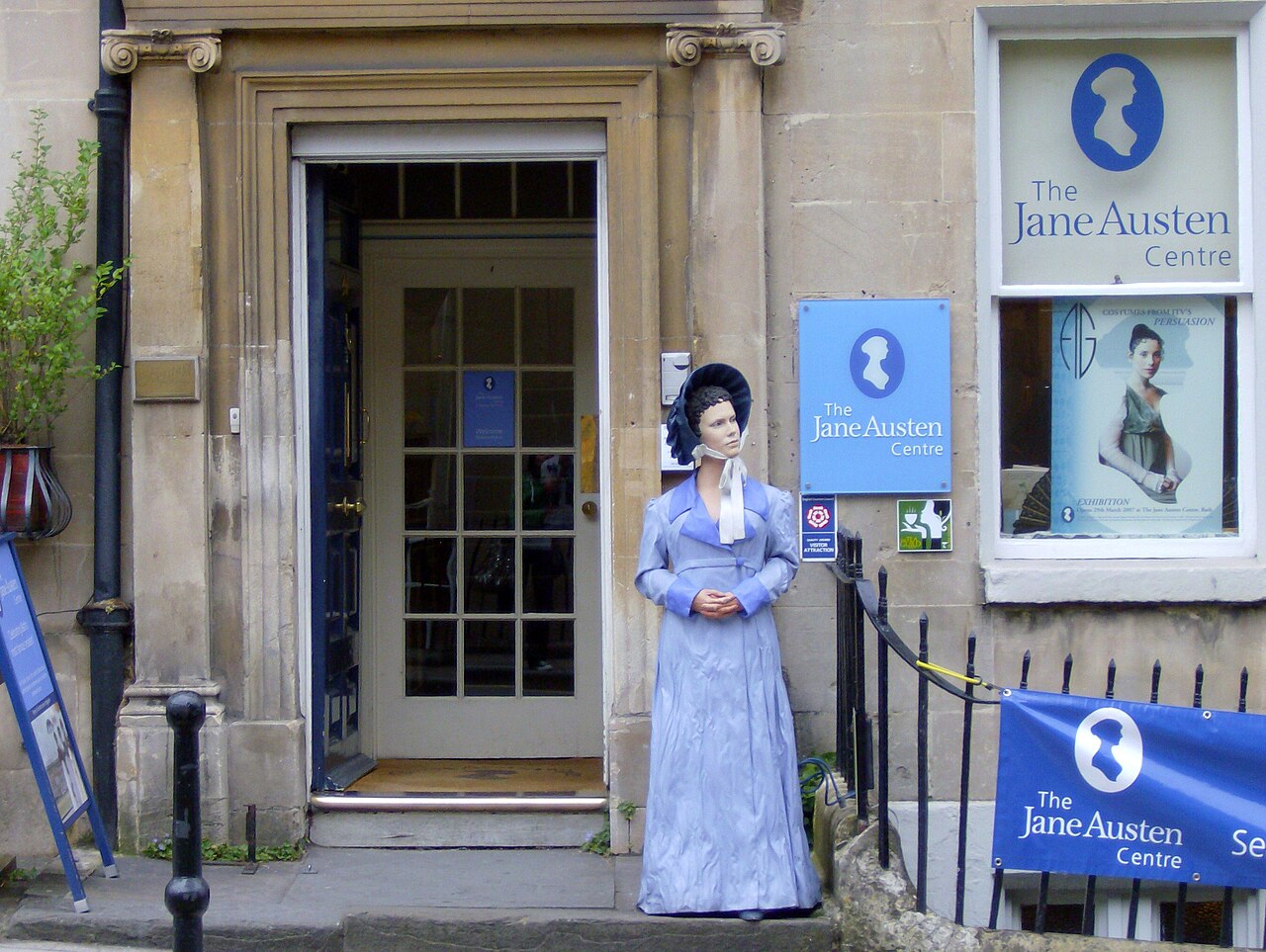
Practical points: the museum has set opening days, with a closure on Mondays outside school holidays in 2025, and the house has closed for two weeks in November in recent years while it is dressed for Christmas, so confirm the 2026 dates on the museum's planning page before you travel. The Crescent is about a fifteen-minute walk from the Abbey, and the Jane Austen Centre is on the way. Many visitors walk through Royal Victoria Park to the botanical gardens afterwards.
What to expect
The experience
Free exterior views of the Crescent from the lawn and pavement, plus an optional guided or self-guided tour of the furnished house at No. 1 Royal Crescent.
Best time
Mid-morning or late afternoon light on the stone; weekdays are quieter inside the museum.
How long
Fifteen minutes for the view, about an hour for the museum.
Tips
Check the museum page for current opening days and the annual Christmas closure, book online to save time and buy a ticket that lets you return free for twelve months.
Quick picks
- Best for
- Architecture lovers, Bridgerton fans and anyone who wants the classic Bath photograph.
- Families
- Children enjoy the kitchen and servants quarters; prams cannot go through the house, so use a sling or leave the buggy outside.
- Couples
- A stroll along the curve at sunset, then a walk down through Royal Victoria Park.
- Pair with
- The Jane Austen Centre, the Circus and Royal Victoria Park.
- Time needed
- Thirty minutes to an hour and a half.
Good questions
Can I see the Royal Crescent for free?+
Yes. The terrace and lawn can be enjoyed at any time from the street and the grass in front. Only the museum at No. 1 charges for entry.
What is inside No. 1 Royal Crescent?+
It is a museum furnished as a Georgian home, with reception rooms, bedrooms and a servants kitchen, plus film and sound displays and a temporary exhibition programme.
Is the museum open in winter?+
Usually, but it has closed for a fortnight in mid-November while the house is dressed for Christmas. Check the museum page for the 2026 dates.
Do tickets include re-entry?+
Yes. Named ticket holders get free re-entry for twelve months, and joint tickets with other Bath Preservation Trust sites are available.
Is it accessible?+
A step-free route covers many rooms but not all, and prams and buggies cannot be taken through. Ring or email the museum before booking if you have access needs.