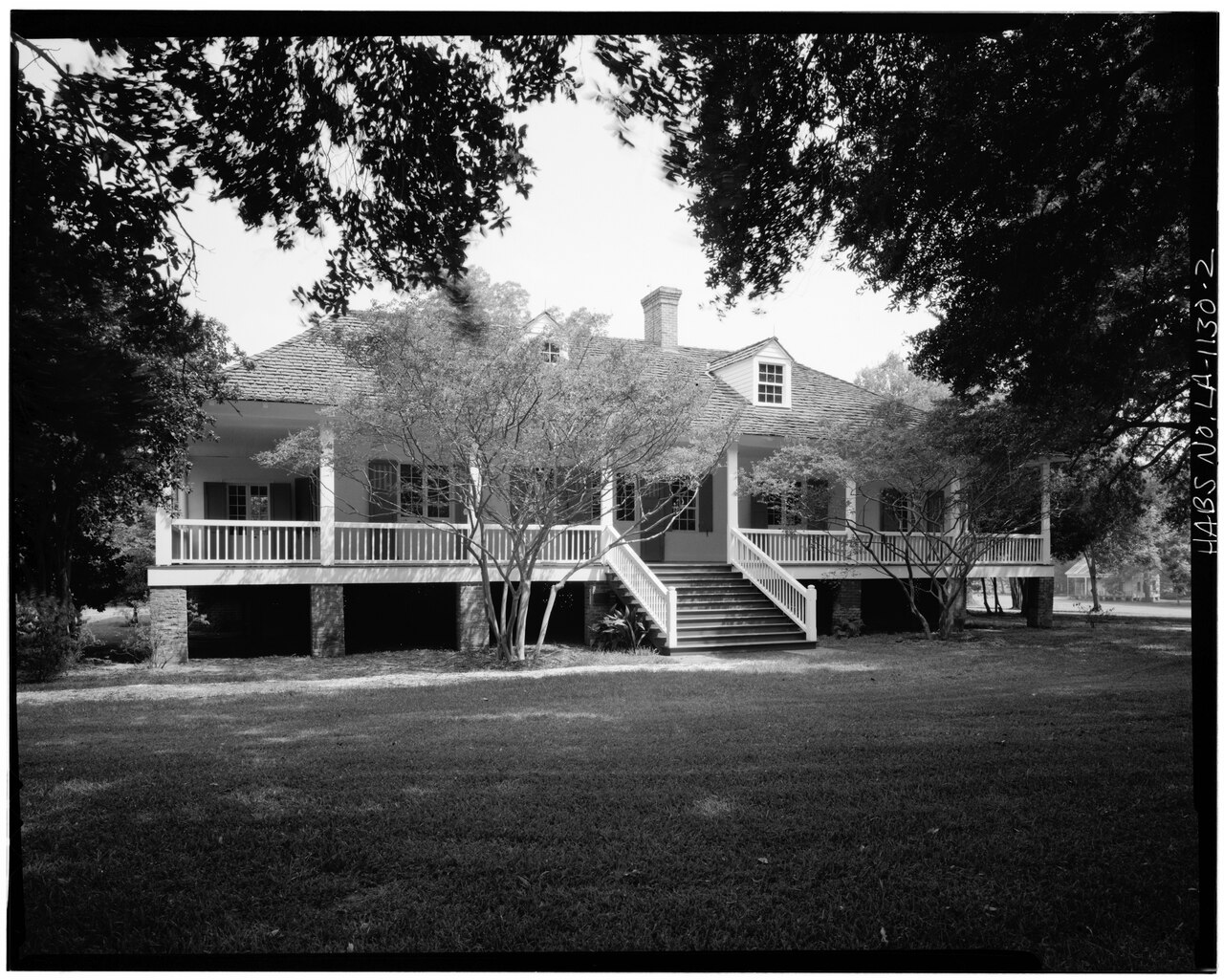
Magnolia Mound is the plantation tour most visitors can fit into a Baton Rouge morning, because it sits close to downtown and the river. The main house is a raised French Creole structure dating from around 1790, built of cypress with a method that uses mud and moss filling between timbers. Its steep roof, broad galleries and compact floor plan reflect colonial Louisiana design, and the house is furnished with period pieces from the early 1800s. Guided tours explain the history of the families who owned it and the lives of the people who were enslaved on the property, who did the cooking, building and farming that made the plantation function. The site is run by the parish recreation and parks system and includes a kitchen building, outbuildings and gardens. Demonstrations of open-hearth cooking and other household crafts are offered on some days, which gives the visit a living-history flavor.
Compared with the grand plantations on the river road, Magnolia Mound is modest in scale, and that is its value. It shows an earlier and more intimate form of plantation life, before the Greek Revival mansions of the cotton and sugar boom. Guides tend to discuss food, textiles, medicine and daily routines rather than only architecture, which makes the tour accessible for children and adults.
Plan about an hour. Tours run on a schedule, so check times when planning, and expect the site to close on certain days. The grounds are small but pleasant, and the house is tucked among large oaks. Because it is only a few minutes from downtown, Magnolia Mound pairs with the USS KIDD and the Capitol, or with a trip to the nearby LSU Rural Life Museum for the other side of the plantation story.
For visitors who want a larger-scale plantation experience, Rosedown, Oakley and Houmas House are an hour or so away and offer different perspectives. Magnolia Mound makes a good first stop to establish the vocabulary before you drive out. Admission is modest, and special events such as holiday evenings and heritage festivals can add to the experience when the calendar fits.
Some context makes the tour more meaningful. The house reflects French colonial building traditions, with a structure raised above the ground, a wide gallery for shade and a roof that sheds heavy rain. The furnishings emphasize how families lived with limited imported goods, and the kitchen and outbuildings show where much of the real work took place.
Tours address the labor of enslaved people who cooked, built, farmed and cared for the household, and the site continues to research and present their stories. Seasonal programs sometimes include candlelit evenings, craft days and holiday events, which are good reasons to check the calendar.
Children often remember the hearth cooking best, and adults tend to notice the humble scale compared with later mansions. Because the site is compact, it works well as a morning or late afternoon stop between larger activities, and the old oaks make the grounds pleasant even on warm days. Ask about guided options for school-age children, since staff often tailor the tour with questions and objects that keep younger visitors engaged without simplifying the history.
What to expect
The experience
A guided tour of an early French Creole plantation house with outbuildings, gardens and occasional hearth-cooking demonstrations.
Best time
Morning or early afternoon on days with scheduled tours.
How long
About an hour.
Tips
Check tour times and closed days first, and ask about demonstration days.
Quick picks
- Best for
- Visitors who want a short plantation tour without leaving the city.
- Families
- Hands-on living-history moments suit school-age children.
- Couples
- A quiet visit among old oaks.
- Pair with
- The USS KIDD and the Rural Life Museum.
- Time needed
- One hour.
Good questions
How old is Magnolia Mound?+
The main house dates from around 1790, which makes it among the oldest structures in the Baton Rouge area.
Is it far from downtown?+
No. It is a few minutes' drive from downtown and the river.
Does the tour cover enslaved people?+
Yes. Tours discuss the lives and work of those enslaved on the property.
How long does it take?+
About an hour for the guided tour and grounds.
Are there demonstrations?+
Open-hearth cooking and craft demonstrations are offered on some days. Ask when you book.