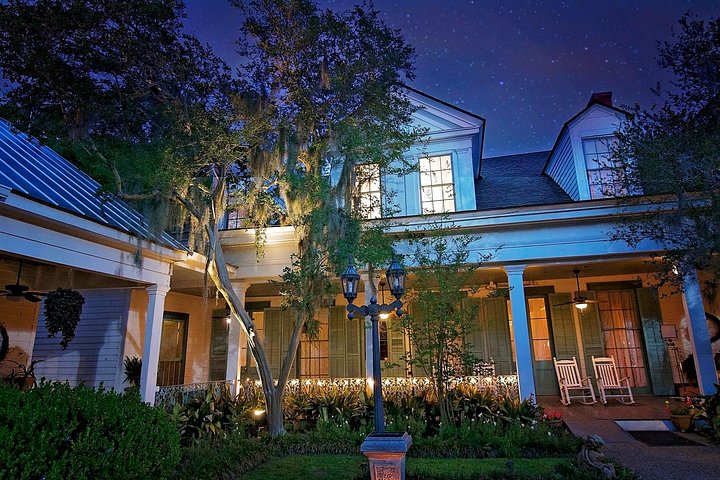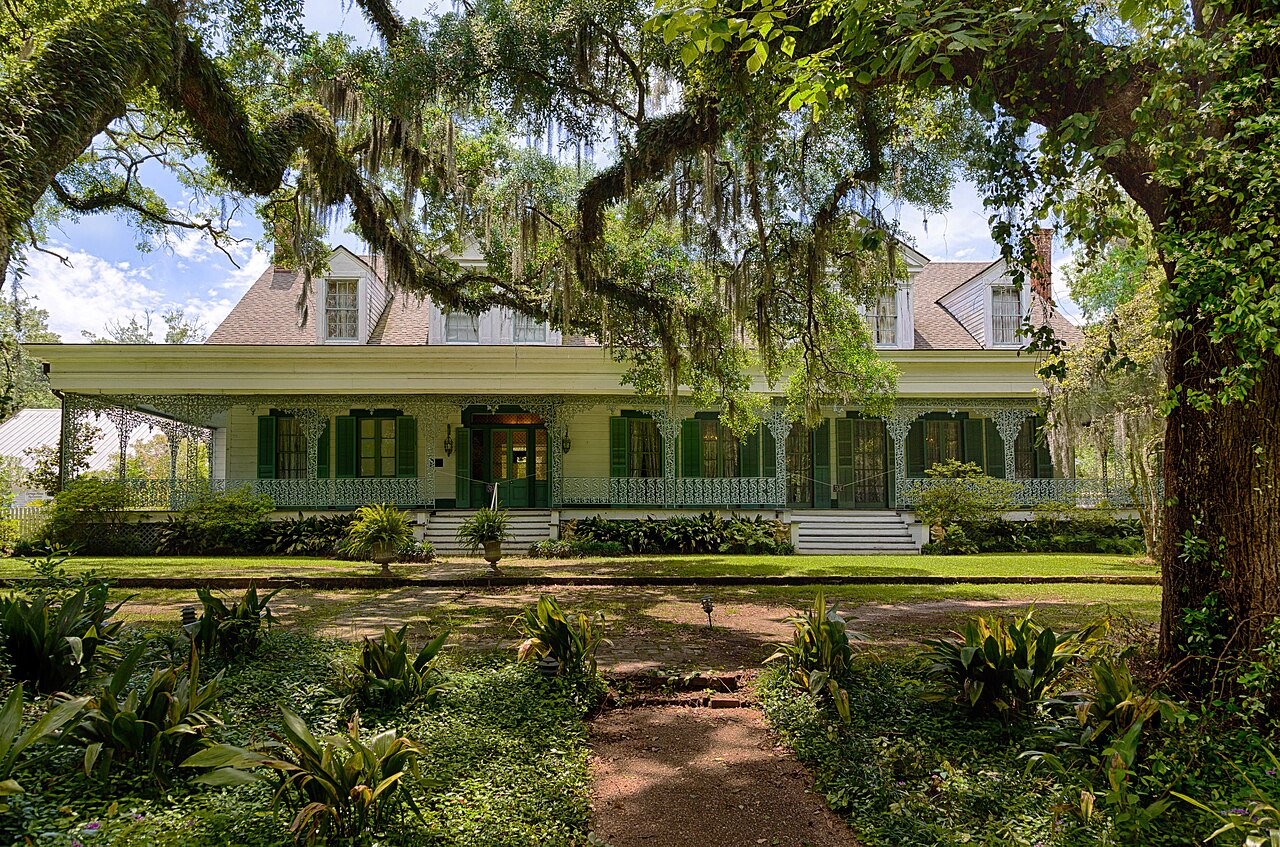
Oakley is quieter than the other plantations around St. Francisville, and that is the point. The modest, raised house, built around 1806 with wide galleries and shuttered doors, sits among tall trees in a state historic site named for John James Audubon, the artist and naturalist who came here in 1821 to tutor the daughter of the family. He stayed only a few months, but he used the time to roam the woods and paint many of the birds that appear in his famous Birds of America. The house is furnished in period style and presents the daily life of the Pirrie family and the people who were enslaved at Oakley. Guided tours explain the architecture, which was designed for hot Louisiana summers, with deep porches, high ceilings and cross breezes. The surrounding grounds add trails and a quiet forest atmosphere.
The site works well for people who like nature as much as history. Walking trails run through a mature forest of oaks, magnolias and other trees, and birders will find plenty to see, especially in spring migration and in winter. A museum area shows reproductions of Audubon's work and explains his visit, and special programs sometimes focus on birds and wildlife.
Oakley is easy to combine with Rosedown, which is a short drive away. Together they form a morning in plantation country, and the contrast between the grand garden estate and the simpler house with a forest around it is instructive. Allow about ninety minutes, and check tour times and closed days. Admission is modest, and the site is comfortable year-round except in the hottest hours of summer.
Families with children who like nature walks or art will enjoy the trails and the story of an artist working in the wild. Photographers will like the filtered light under the trees. For history fans, the interpretation of the plantation labor system and the lives of enslaved people adds depth. If you have time, stop in St. Francisville for lunch and a walk among the old buildings on the main street before continuing to your next stop.
Audubon's visit is remembered for its productivity. During roughly four months, he tutored a young woman in drawing and music, wandered the forest studying birds and produced dozens of drawings, some of which became plates in his great work. The site's exhibits and gallery help you see how his Louisiana experience shaped his art, and guides point out the room where he worked and the view from the galleries.
Beyond the house, the trails are a good place for a slow walk; bring binoculars, because woodpeckers, warblers and owls are among the birds you may spot, depending on the season.
Early morning is best for wildlife and for light. The site is also a good picnic stop, and it tends to be quieter than the larger plantation tours, which makes it a favorite for people who prefer calm to spectacle. Combine the visit with lunch in St. Francisville, where small cafes serve plate lunches and sandwiches, and the short walk along the main street adds shops and historic buildings to a quiet day.
What to expect
The experience
A guided house tour plus self-guided forest trails and a small museum.
Best time
Spring and fall for comfortable temperatures and birds.
How long
Ninety minutes to two hours.
Tips
Bring binoculars, wear walking shoes and combine with Rosedown.
Quick picks
- Best for
- Birders, nature lovers and quiet history seekers.
- Families
- Trails and an artist story suit curious children.
- Couples
- A peaceful walk under the oaks.
- Pair with
- Rosedown and lunch in St. Francisville.
- Time needed
- Two hours.
Good questions
Who was John James Audubon?+
A naturalist and artist famous for Birds of America, who spent time at Oakley in 1821.
Is the house original?+
Yes. The house dates from around 1806 and is preserved as a historic site.
Are there hiking trails?+
Yes. Trails run through the forest around the house.
How far is it from Rosedown?+
A short drive, so the two are easy to combine.
Does it address slavery?+
Yes. Interpretation includes the lives of the enslaved people who lived and worked here.