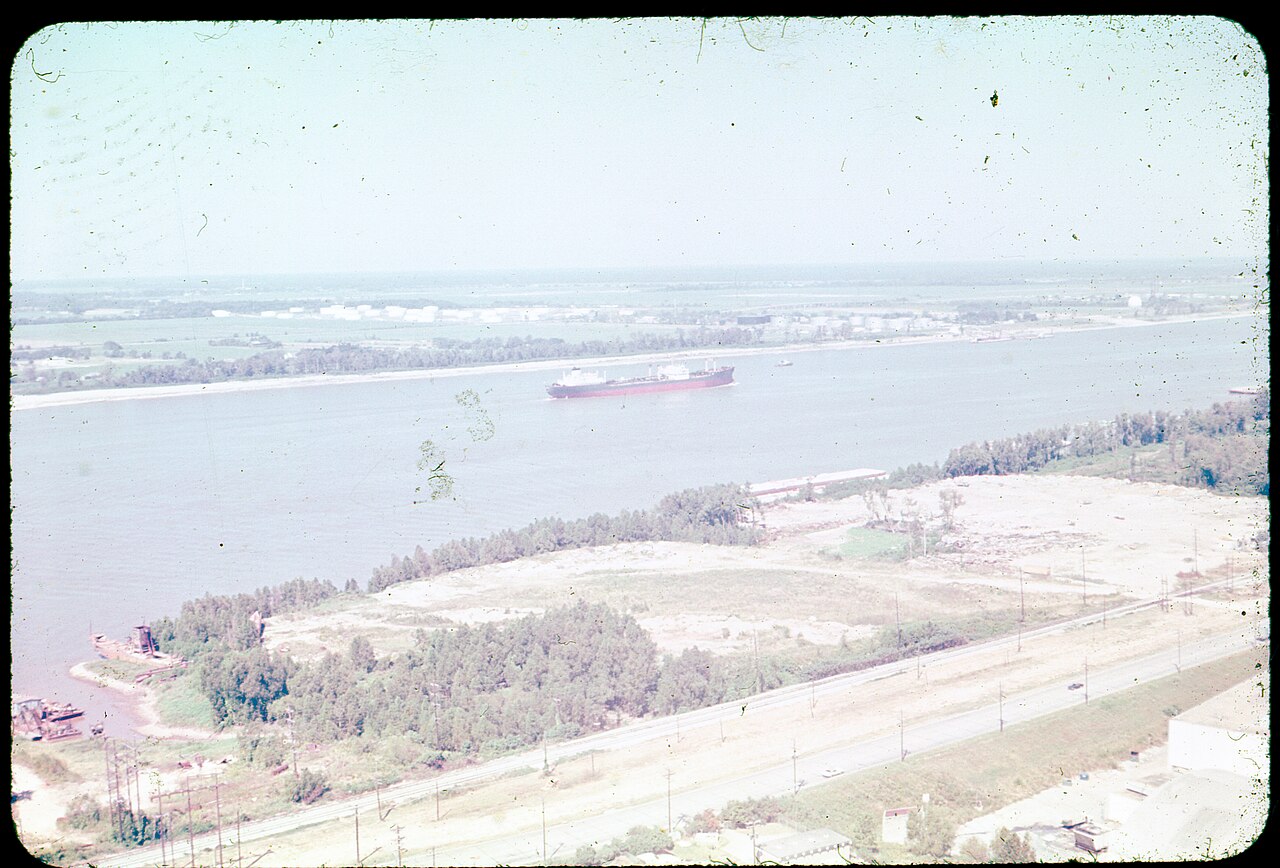
Port Hudson is one of the most important and least visited Civil War sites in the country. In the spring of 1863, Union forces under General Nathaniel Banks besieged the Confederate garrison on the bluff above the Mississippi for roughly forty-eight days, the longest siege in American military history. The Confederate surrender on July 9, 1863, days after Vicksburg fell, gave the Union control of the entire river. The battle is also remembered because Black regiments, including the Louisiana Native Guards, fought in the assault on May 27, one of the first major engagements of the war in which Black troops fought in force, a turning point in how the nation viewed their service. The state historic site preserves a large part of the battlefield on nearly nine hundred acres of woods, ravines and bluffs, and visitors can see earthworks, cannon positions and interpretive markers.
Start at the museum and visitor center, which gives the context for the siege with exhibits, artifacts and maps, then walk the trails. Several routes loop through the woods, past the Confederate lines and trenches, and an observation tower offers a view over the landscape. The terrain, with deep ravines and thick vegetation, explains why the assaults were so costly.
Walking time depends on your interest. A short loop takes about an hour, while a longer route covers more of the fortifications and can fill half a day. Wear sturdy shoes, apply insect repellent and bring plenty of water, because the trails are exposed and summer heat is severe. Spring and fall are the best seasons, and early morning is good for wildlife. The site hosts programs and reenactments at various times, so check the calendar.
The drive from Baton Rouge takes roughly thirty minutes, which makes Port Hudson an easy morning before continuing to St. Francisville for the plantations. History lovers will value the quiet, unspoiled setting and the chance to stand on ground where thousands of soldiers fought in brutal conditions. Admission is modest, and opening days vary, so verify before you go. Pair it with the USS KIDD or the Rural Life Museum for a full day exploring Louisiana's military and social history.
The terrain is the teacher at Port Hudson. The Confederate defenders held a line of high ground cut by ravines, with thick forest and tangled vegetation that slowed attackers, while Union forces assaulted again and again in May and June 1863. Disease, heat and shortage of food shaped the siege as much as fighting.
The surrender on July 9 followed the fall of Vicksburg and allowed Union boats to travel the Mississippi freely, a strategic turning point. At the site, markers and exhibits describe the units that fought, including the Black regiments that proved themselves under fire, and trails let you imagine what the lines looked like.
Bring a map from the visitor center, take the shorter loop if you are limited on time and listen for birds and cicadas in the woods. The quiet makes reflection easy. Bring a small notebook or use your phone to photograph markers, since the names, dates and unit histories read like a puzzle that makes sense once you stand on the ground.
What to expect
The experience
A museum visit plus self-guided walking trails through preserved earthworks and woods.
Best time
Spring or fall, in the morning.
How long
Two to three hours.
Tips
Wear sturdy shoes, bring water and repellent and start at the museum.
Quick picks
- Best for
- Civil War enthusiasts and hikers.
- Families
- Good for older children who like to walk and explore.
- Couples
- A quiet morning walk in the woods.
- Pair with
- Rosedown and Oakley in St. Francisville.
- Time needed
- Half a day.
Good questions
What happened at Port Hudson?+
A forty-eight day Union siege in 1863, the longest in American military history, ending in Confederate surrender.
Why is it significant?+
Black regiments fought in a major assault there, a milestone in the war.
How far is it from Baton Rouge?+
Roughly thirty minutes north by car.
Is there a museum?+
Yes, a visitor center and museum offer context before you walk the trails.
What should I bring?+
Sturdy shoes, water, repellent and sun protection.