Three days gives you enough time to see the capital properly, add one major day trip and eat well. This plan balances history, nature and food, and it assumes you have a car. If you are visiting in summer, move outdoor stops to the mornings and use museums in the afternoon.
Day one: the capital on foot
Start at the Louisiana State Capitol when it opens, before security lines build. Ride to the 27th-floor observation deck, walk Memorial Hall, glimpse the legislative chambers and visit Huey Long's grave in the gardens. From there, walk to the Old State Capitol and spend an hour in the Museum of Political History under the stained-glass dome. The Capitol Park Museum is a few minutes away and covers Louisiana's cultures, music and industries, with a shrimp boat that children love.
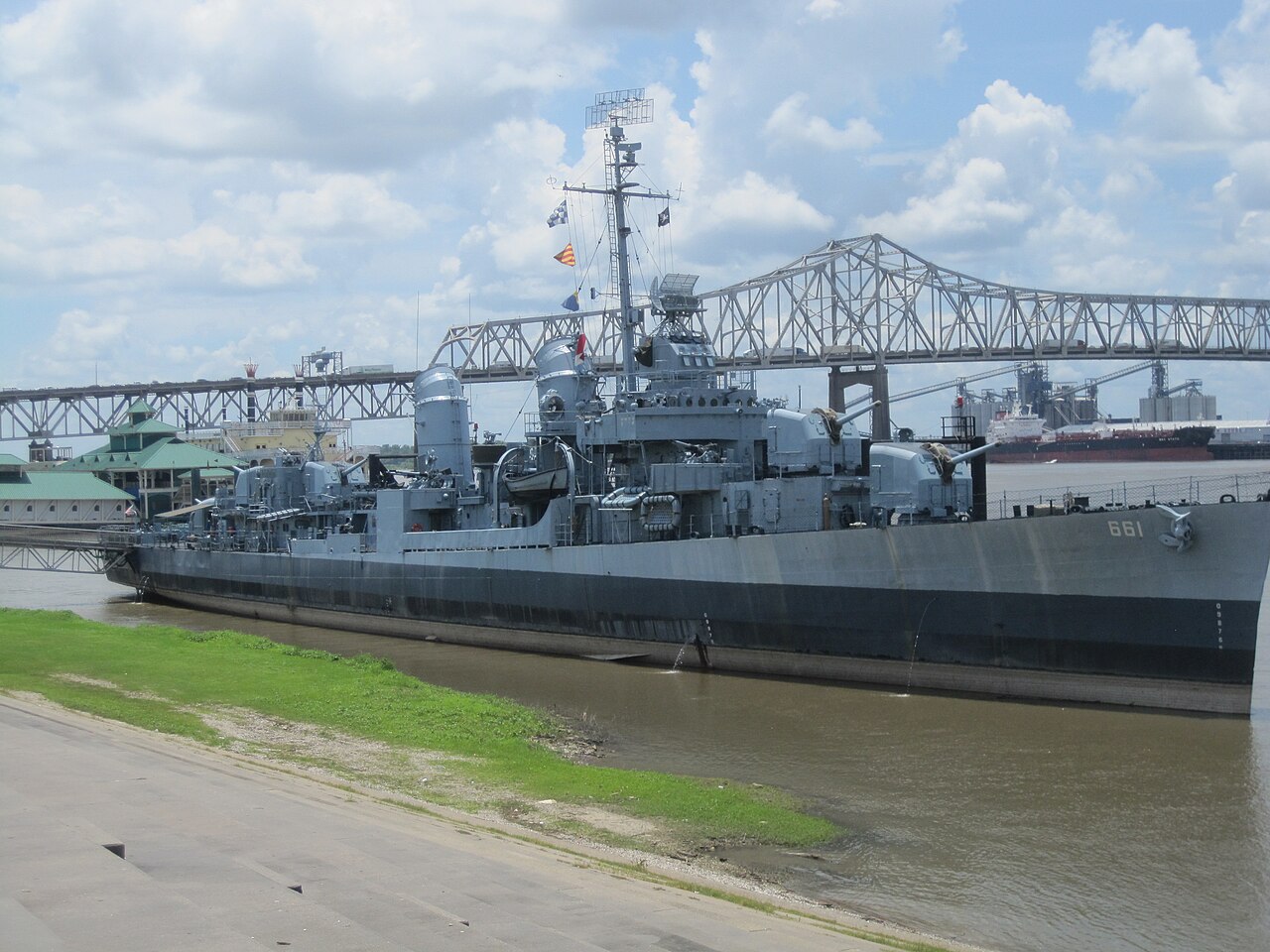
After lunch downtown, head to the riverfront for the USS KIDD. Give yourself two hours to explore the decks, ladders and compartments, and the veterans museum beside the ship. If the day is hot, the Louisiana Art and Science Museum, with its planetarium and science exhibits, makes a cool finish. Dinner downtown is easy, and a levee walk at sunset is a pleasant way to end. If you prefer a guided narrative, use the Huey Long podcast tour or the downtown audio walk as a companion between stops.
Day two: plantation country
Drive north to St. Francisville, about forty minutes from the city. If you have time, begin with Port Hudson State Historic Site on the way, where trails cross the battlefield of the longest siege in American history. Continue to Rosedown for the house tour and the formal gardens, which are at their best in spring. Have lunch in St. Francisville, then visit Oakley at the Audubon State Historic Site to see the house where John James Audubon painted birds in 1821 and walk the forest trails.
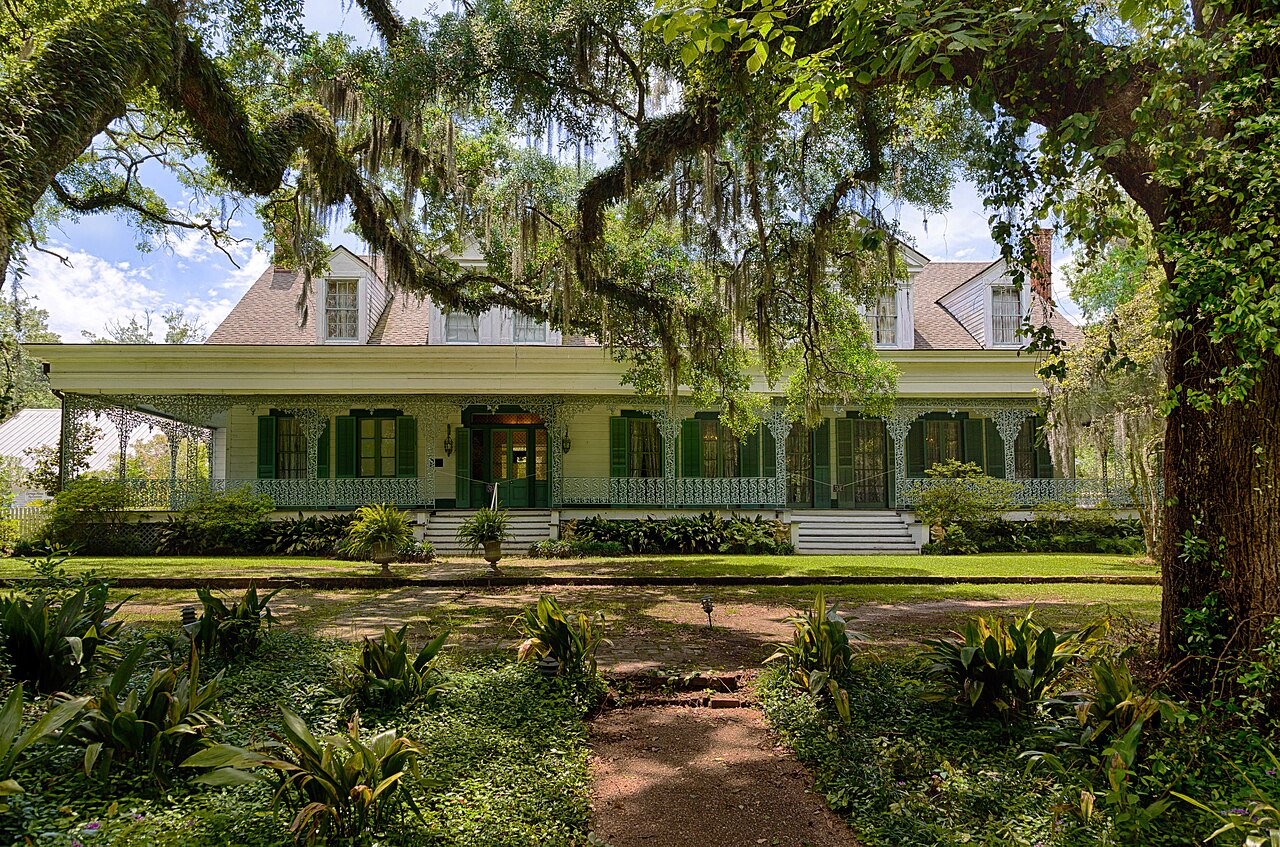
For the evening, you have two choices. You can return to Baton Rouge for dinner, or you can stay for the Myrtles Plantation evening mystery tour, a ghost-story walk through one of America's famous haunted houses. If you stay late, consider a night at the Myrtles inn or in town, and return the next morning. The history on this day is serious, since these sites present the story of slavery along with the architecture, and it adds weight to the museum visits from day one.
Day three: Cajun Country or LSU
Choose according to your interests. For food and nature, drive west to Breaux Bridge, about an hour away. Take the walking food tour for a Cajun tasting, then head to the Atchafalaya Basin or Lake Martin for a swamp tour. If time allows, continue to Avery Island for the Tabasco factory area and Jungle Gardens, though that adds about two hours each way from Baton Rouge, so start early and consider skipping the swamp tour.
For a shorter day, stay in town and explore LSU. Visit the Mike the Tiger habitat, walk the campus lakes and oaks and spend two hours at the Rural Life Museum. If the schedule includes a home football game, build the day around it instead, with a tailgate in the morning and the game that evening. Either way, finish with a plate of gumbo, boudin or fried catfish.
Planning tips
Reserve tours that have set times, particularly the swamp tour, the food tour and the Myrtles. Check opening days for state sites and museums, since many close on Mondays or Tuesdays. Carry water and sun protection, and expect heat from May through September. Bring a light layer for air-conditioned museums.
Variations
If you prefer fewer drives, spend day two at Magnolia Mound and the Rural Life Museum and keep everything within the city. If you love gardens, add Houmas House on the way to or from New Orleans. If you are traveling with children, swap the Myrtles evening tour for an earlier swamp ride and keep the USS KIDD as the highlight. Whatever you choose, leave an hour of slack each day, because Louisiana rewards unhurried travelers, and the best conversations, meals and views often come unplanned.
Food stops to slot in
Build meals around the route. On day one, a plate lunch downtown keeps you moving; on day two, a small cafe in St. Francisville breaks up the drive; on day three, boudin from a roadside counter makes a perfect snack between the swamp and the food tour. Dinner back in Baton Rouge can be gumbo, fried catfish, a po-boy or a seafood platter, and a late dessert of bread pudding or pecan pie is a fitting finish. If you want a final treat, pick up a bottle of Tabasco or a bag of local pecans on the way home. Keep an eye on weather, especially from June to November, and have a rainy-day backup such as the Capitol Park Museum or the Louisiana Art and Science Museum ready.