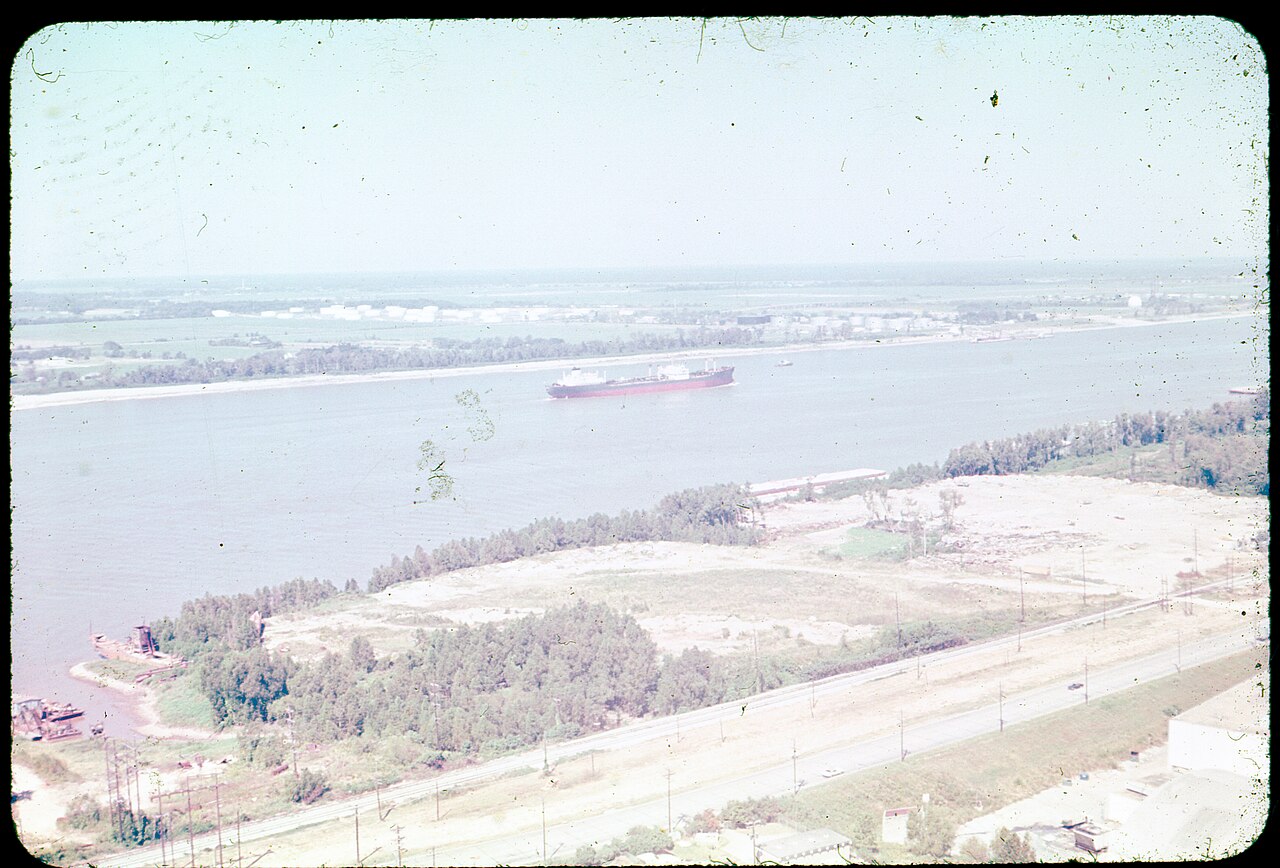
Baton Rouge sits at a bend of the Mississippi, about eighty miles upriver from New Orleans, and it is often treated as a stopover on the way to somewhere else. That is a mistake. The state capital has a better collection of political history than almost any other American city, a World War II destroyer you can walk through, a university with a live tiger, and some of the best plantation and Cajun Country day trips in Louisiana within an hour or two. This guide helps you decide what to do and how to organize it.
How the city works
Think in three zones. Downtown is the historic and government core on the bluff above the river, with the State Capitol, the Old State Capitol, the Capitol Park Museum, the Louisiana Art and Science Museum, the USS KIDD and most of the central hotels. South of downtown is the LSU campus, with Tiger Stadium, the Mike the Tiger habitat and the Rural Life Museum nearby, plus a long strip of hotels, restaurants and shopping along the interstate. Beyond the city are the day-trip destinations: St. Francisville and its plantations to the north, Darrow and the River Road to the southeast, and Cajun Country to the west.
Start at the Capitol
The Louisiana State Capitol is the best first stop because it explains the state's personality. Completed in 1932 under Governor Huey Long, it has 34 floors and stands about 450 feet tall, the tallest state capitol in the country. Entry is free, you pass a security screen, and the observation deck on the 27th floor gives you a map of the city from above. Memorial Hall and the legislative chambers are worth a slow walk, and the gardens out front hold Long's grave. Allow ninety minutes.
Walk the oldest part of town
From the Capitol, it is a short walk to the Old State Capitol, the Gothic Revival castle that housed the legislature before Long's tower. The Museum of Political History inside is more entertaining than the name suggests. The Capitol Park Museum is next door and gives the wider story of Louisiana's cultures and music. If you like self-guided tours, the Huey Long podcast tour and the downtown audio walk tie the stops together cheaply and let you set your own pace.
Do the river
The USS KIDD and its veterans museum sit on the riverfront and are one of the best family stops in the region. You can climb ladders, stand under the gun mounts and see the places aboard where a kamikaze struck in 1945. The Louisiana Art and Science Museum is a short distance away and offers a planetarium and hands-on science for children when the weather is hot or wet.
See the campus
Even if you are not an LSU fan, a visit to the university is worth an hour or two. The Mike the Tiger habitat is free, the campus has lakes and large oaks and the Rural Life Museum nearby is one of the most thoughtful history stops in the state. If you can visit on a football Saturday, you will see Baton Rouge at its loudest, though you need advance planning for tickets, hotels and traffic.
Add a plantation
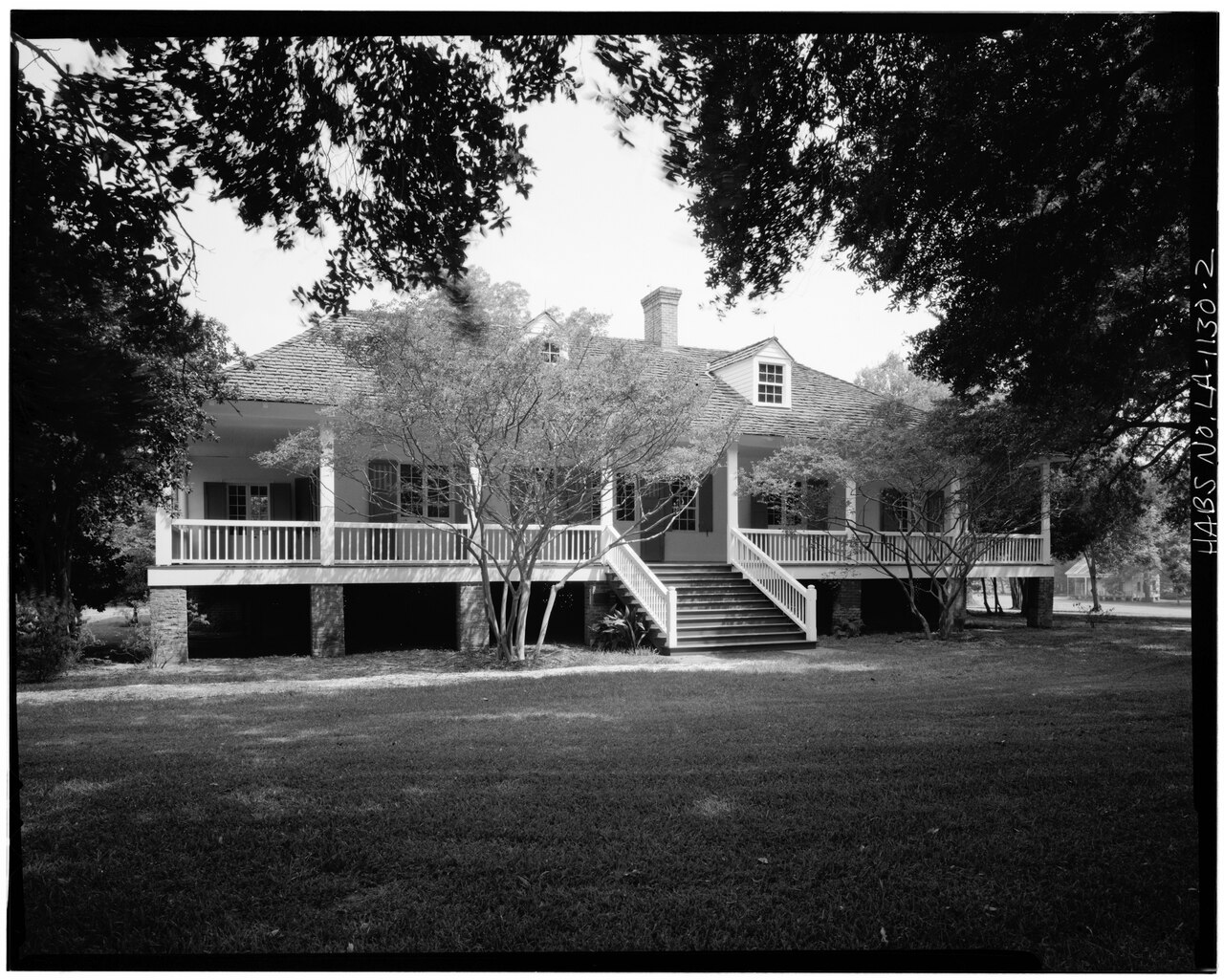
Magnolia Mound is the easiest, with a French Creole house from around 1790 near downtown. For gardens and grand architecture, drive north to Rosedown and the Audubon State Historic Site in St. Francisville, or southeast to Houmas House. Whatever you choose, expect honest discussion of slavery, which is part of the story and part of why these places matter.
Eat like a local
Baton Rouge cooking sits at the meeting point of Creole and Cajun traditions, so expect gumbo, etouffee, boudin, po-boys, fried seafood and crawfish in season. Lunch counters and neighborhood restaurants are often better than anything with a tablecloth, and plate lunches with rice and gravy are a regional specialty. If you want a guided taste, the Breaux Bridge food tour gives you a sampler in Cajun Country, about an hour west.
When to go
Spring and fall are the best seasons: mild temperatures, blooming gardens in March and April, football from September and comfortable evenings. Summer is hot and humid, so schedule outdoor sights for the morning and use museums in the afternoon. Winter is mild and uncrowded, though occasional cold snaps arrive. Hurricane season runs from June through November, so travel insurance and flexible bookings are sensible.
Getting around
You need a car for most of what makes Baton Rouge special. Downtown is walkable, but campus, plantations, swamps and day trips require wheels. Parking downtown can cost money, so ask your hotel. If you prefer not to drive, consider guided tours from the area or a combination of rideshare and organized trips.
How long to stay
Two days covers downtown and the campus. Three days lets you add a plantation day. Four or five allow Cajun Country, a swamp tour and a more relaxed pace. Many visitors combine Baton Rouge with New Orleans, which is about an hour and a half by car, and that pairing is a classic Louisiana itinerary.