The Baton Rouge area sits between two famous plantation corridors: the River Road to the southeast and the hills around St. Francisville to the north. The sites differ a great deal in scale, mood and focus, so it helps to choose with your interests in mind. Whatever you pick, expect these tours to deal with slavery directly. That history is part of why the buildings exist, and the best guides do not soften it.
Magnolia Mound: the easy one
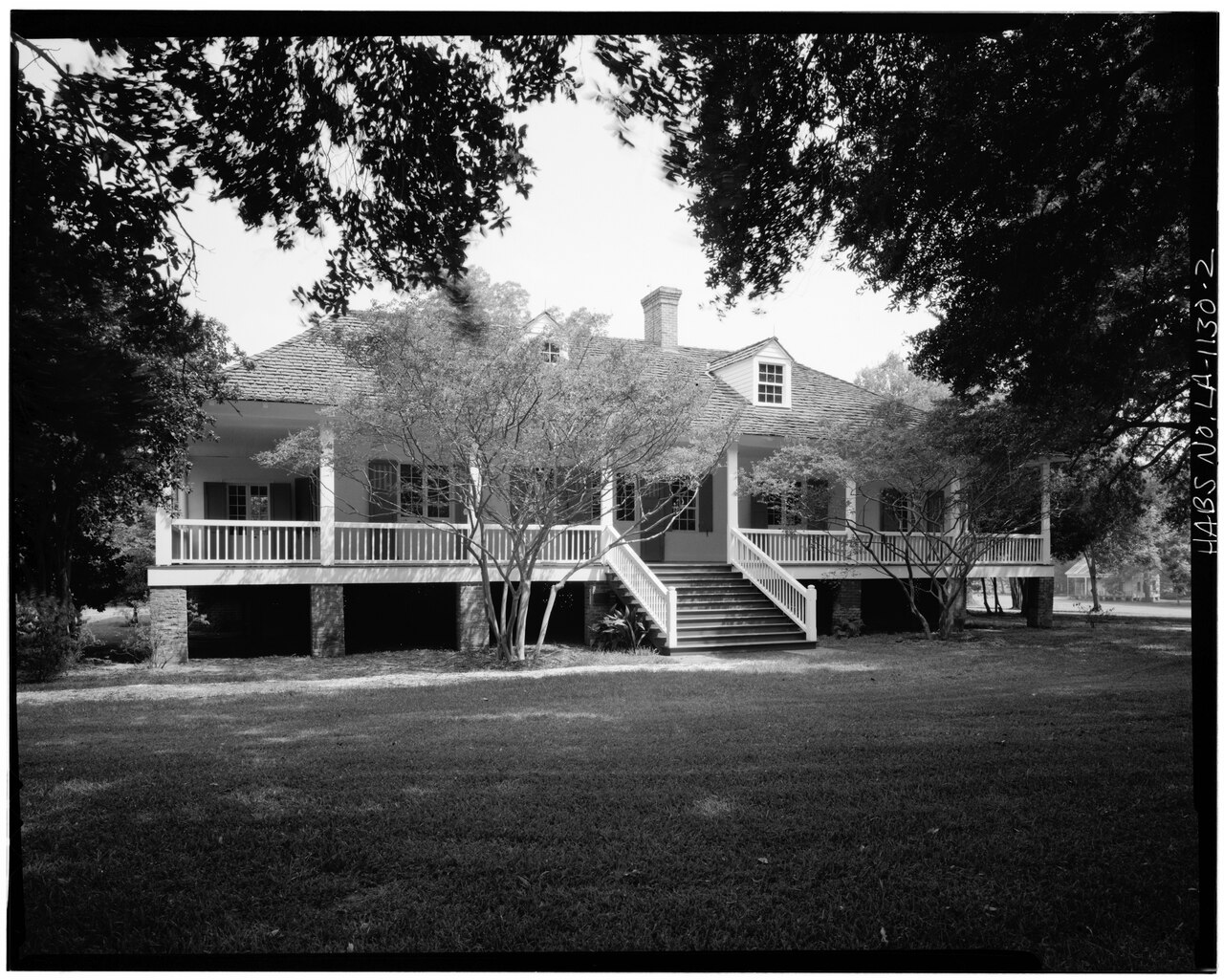
Magnolia Mound is a French Creole plantation house from around 1790, a short drive from downtown. It is modest in scale compared with the grand mansions, but its age and its living-history demonstrations, including open-hearth cooking on some days, give an intimate look at early Louisiana life. Plan about an hour. It pairs well with the USS KIDD or with the Rural Life Museum, which shows the working world around plantations.
Rosedown: the gardens
Rosedown Plantation State Historic Site, in the St. Francisville area, is the choice for architecture and gardens. Daniel and Martha Turnbull built the Greek Revival house in the 1830s, and Martha's garden diary guided the restoration of roughly twenty-eight acres of formal gardens. The house is furnished largely with family pieces, and the tour covers the lives of the enslaved people who worked the cotton plantation. Spring is the peak season for camellias and azaleas.
Oakley and the Audubon site: nature
Not far from Rosedown, the Audubon State Historic Site preserves Oakley, the airy West Indies-style house where John James Audubon tutored the daughter of the family in 1821 and painted birds in the surrounding woods. The forest trails make this a good choice for birders and walkers, and the house tour explains the architecture and the people who lived and labored here. Combine it with Rosedown for a satisfying morning.
The Myrtles: atmosphere
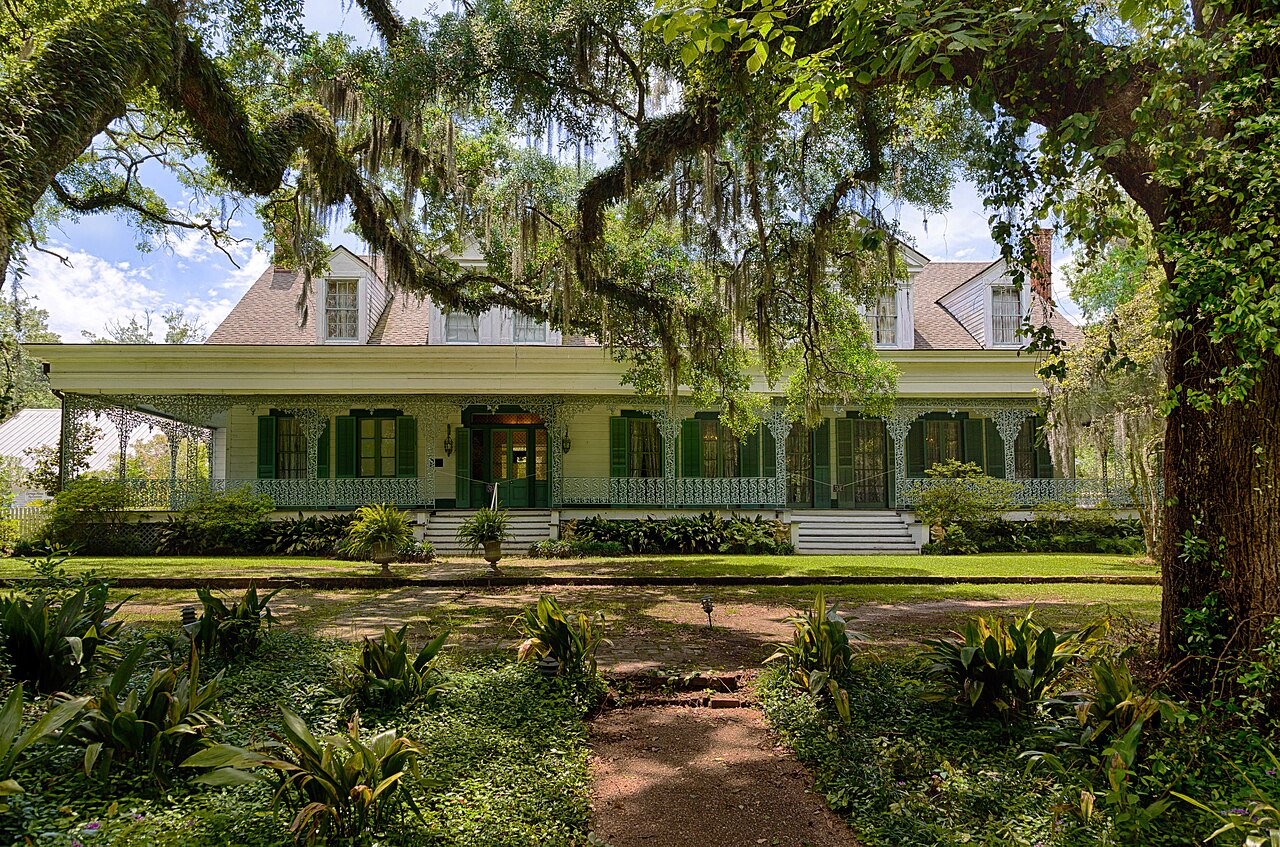
The Myrtles Plantation, built in 1796, is known for ghost stories, and its evening mystery tour is a popular after-dark activity. The legends are entertaining, though many are folklore, and good guides distinguish documented history from tales. The property also operates as an inn, which makes it an appealing overnight base for a plantation-country weekend.
Houmas House: the showpiece
On the River Road in Darrow, roughly forty-five minutes from Baton Rouge, Houmas House is a Greek Revival mansion known as the Sugar Palace. Its gardens, oaks and dining options make it a polished, visitor-friendly stop, and it fits a day that continues to or from New Orleans.
The Rural Life Museum: the other side
Not a plantation house, but essential context. The LSU Rural Life Museum assembles historic buildings, including slave cabins, a sugar house, a church and a commissary, to show everyday life across social classes. Visiting it before or after the grand houses helps balance the story.
Port Hudson: the war
Port Hudson State Historic Site, north of the city, preserves the battlefield of the 1863 siege. It adds a military chapter to the plantation landscape and a moving account of Black soldiers who fought there.
How to combine them
For a one-day plan, drive north from Baton Rouge, stop at Port Hudson in the morning, tour Rosedown, eat in St. Francisville and finish at Oakley. Add the Myrtles evening tour if you plan to stay late. For a shorter outing, choose Magnolia Mound and the Rural Life Museum in the city. For a river road day, go to Houmas House and continue toward New Orleans. Check tour times and closing days, and book ahead in spring and fall.
Practical tips
Wear comfortable shoes, bring water and sun protection and allow time for the drive. Visit gardens in the morning and keep indoor tours for the midday heat. Be respectful, ask questions and read the interpretive signs. Many sites welcome visitors of all ages, though younger children may find long tours demanding, so mix them with outdoor time.
Reading and preparation
If you want more background before you go, look for books on Louisiana plantation life, the sugar and cotton economies and the experiences of enslaved people, as well as biographies of Audubon and Huey Long if you plan to visit related sites. Many of the places mentioned here also publish educational resources, and the Capitol Park Museum gives a broad introduction. For children, preview what they will see and encourage questions, since these sites can be emotional. Arrive with an open mind, listen to the guides and give yourself time afterward to discuss what you learned. A relaxed lunch between visits provides a useful pause, and a quiet drive through rural Louisiana makes a fitting end to the day.