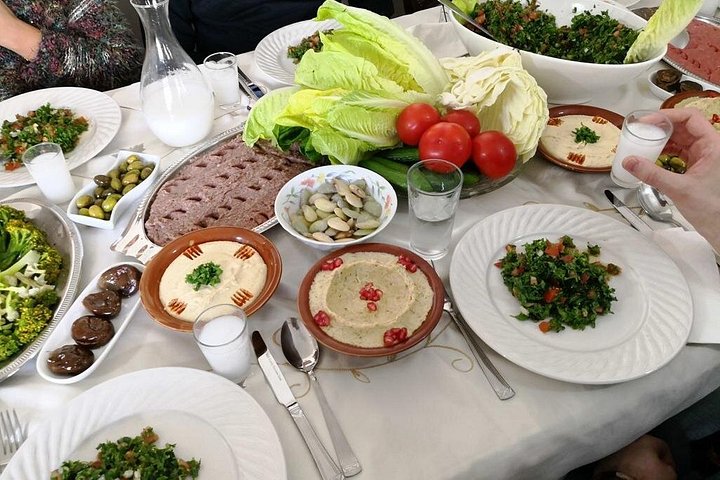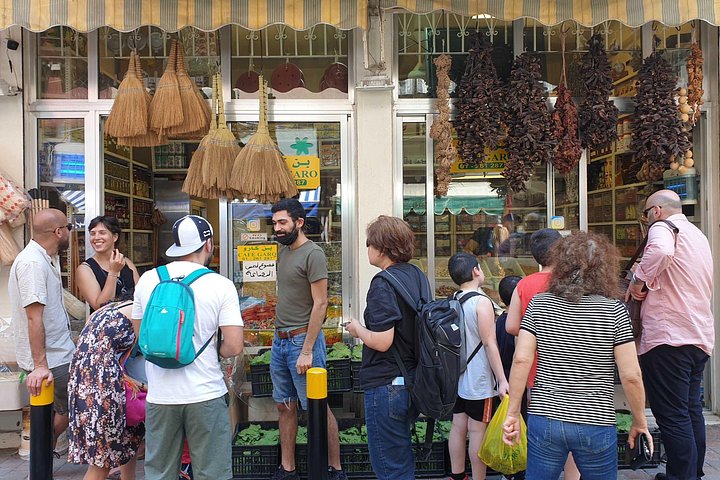
Lebanese food has a worldwide reputation, and Beirut is where much of it is eaten standing up, from paper wrappers, over a counter. A street food tour is the quickest way to understand how the city eats. Over a few hours you move between neighbourhood spots that locals have used for decades, trying a manoushe, the flatbread baked with za'atar, cheese or minced meat that serves as the national breakfast, then falafel with tahini, thin-sliced chicken or beef shawarma wrapped with garlic sauce and pickles, bowls of creamy hummus and smoky mutabbal, and a warm slice of knefeh, the sweet cheese pastry soaked in syrup and tucked into a sesame bun. The guide explains the dishes and the stories behind them, and the routes usually cover a mix of districts, often including Armenian flavours from Bourj Hammoud, such as spiced cured beef and flatbreads, along with traditional juice bars where fruit is squeezed to order. Tastings are generous, so most people skip lunch. Along the way you gain a feel for the neighbourhoods, from busy commercial streets to old residential lanes.
The tour linked from this page is a small group street food experience in Lebanon, typically running three to four hours and ending with sweets and coffee. Meeting points are usually central, and the pace is gentle. Expect to eat a lot, so arrive hungry and wear comfortable shoes. Vegetarians are well served, because Lebanese cuisine is rich in vegetable dishes, legumes and cheese, and vegans can usually be accommodated if you say so in advance. Gluten and nut allergies should be flagged when you book so the guide can plan the stops.
Timing affects what you taste. Mornings favour bakeries and breakfast dishes, and evenings favour grilled meats and snacks, with many shops closed on Sundays or at midday. Ask the operator which version you are booking. Prices at street stalls are low, so you can easily continue grazing afterwards. A good guide will also teach you the etiquette of ordering, how to eat a shawarma neatly and which sweets to buy for the road.
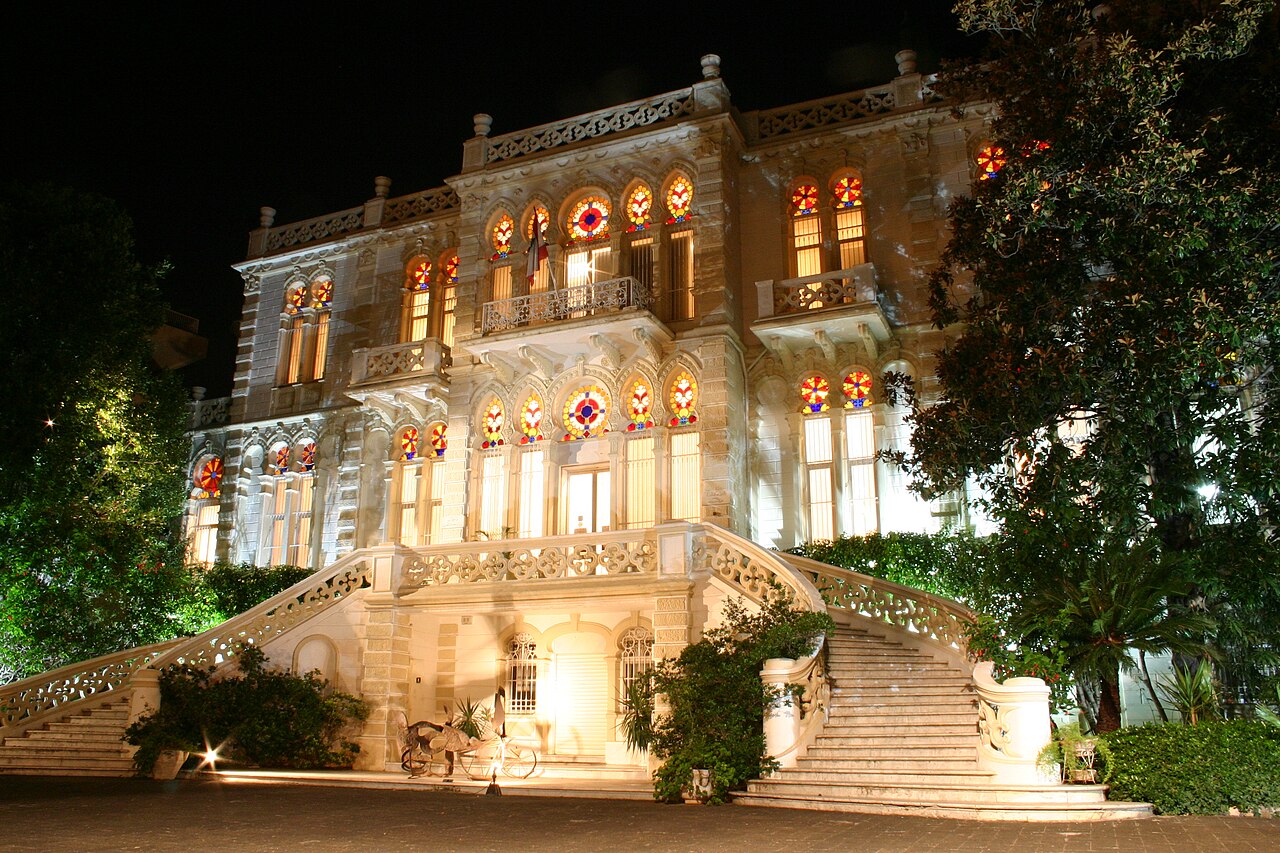
This tour pairs well with a morning walking tour or a visit to the Sursock Museum and the Gemmayzeh district. If you want to cook what you taste, consider the family home cooking class later in your trip. Food is also the best entry point to conversation in Beirut: you will hear about the recipes of grandmothers, the differences between regions and the way the diaspora carries Lebanese flavours across the world.
Bring cash for extras, since small vendors often do not take cards. Whether it is your first day or your last, a food tour is a joyful, delicious and very social way to meet the city, and it is one of the highest-rated kinds of activity in Beirut.
Remember that Lebanese cooking varies by region and by family, so use the tour as a starting point and keep exploring. Ask your guide where to find the best versions of each dish and bookmark the places that impress you. Many bakeries and snack counters stay open late, which makes them ideal for a repeat visit.
What to expect
The experience
A guided progression through bakeries, snack counters and sweet shops with tastings at every stop.
Best time
Morning or late afternoon; arrive hungry.
How long
Three to four hours.
Tips
Mention dietary needs in advance, wear comfortable shoes and bring a little cash for extras.
Quick picks
- Best for
- Food lovers and anyone who wants to understand Lebanese cuisine fast.
- Families
- Kid-friendly flavours such as falafel, bread and sweets.
- Couples
- A fun shared experience that ends with dessert.
- Pair with
- A walking tour or the Sursock Museum.
- Time needed
- Half a day.
Good questions
What will I eat?+
Typically manoushe, falafel, shawarma, hummus, grilled items and sweets such as knefeh, depending on the route.
Is the tour vegetarian friendly?+
Yes, many stops offer vegetable and cheese dishes. Tell the operator your needs in advance.
Will I need lunch afterwards?+
Most people find the tasting portions replace lunch.
How much walking is involved?+
A few kilometres at an easy pace, with many stops.
Can I join solo?+
Yes, small-group food tours are social and welcome solo travellers.