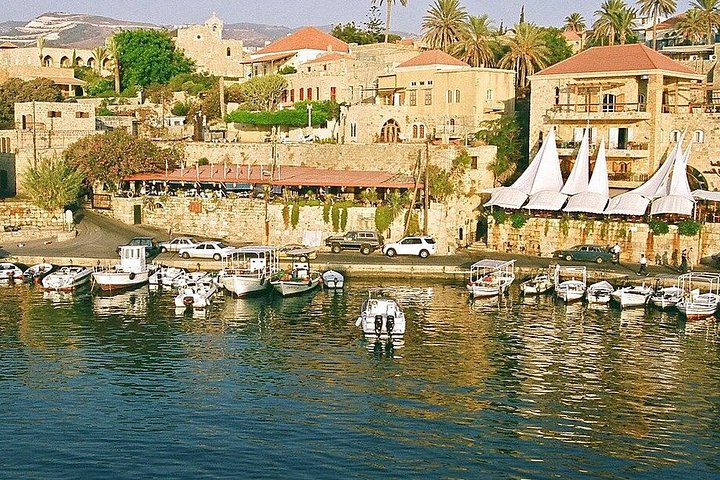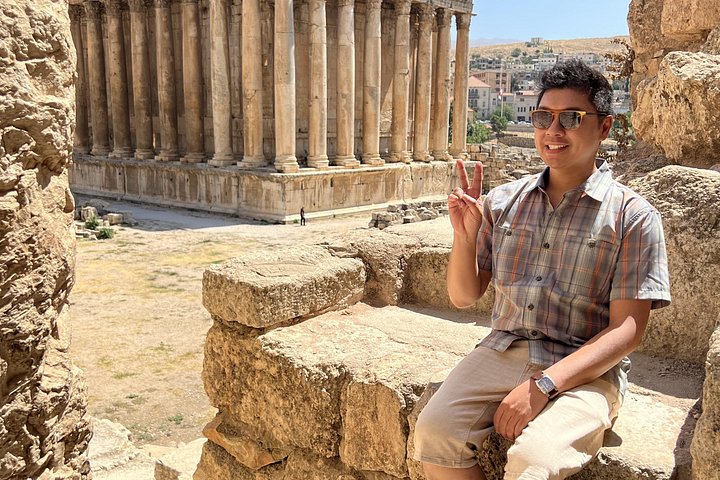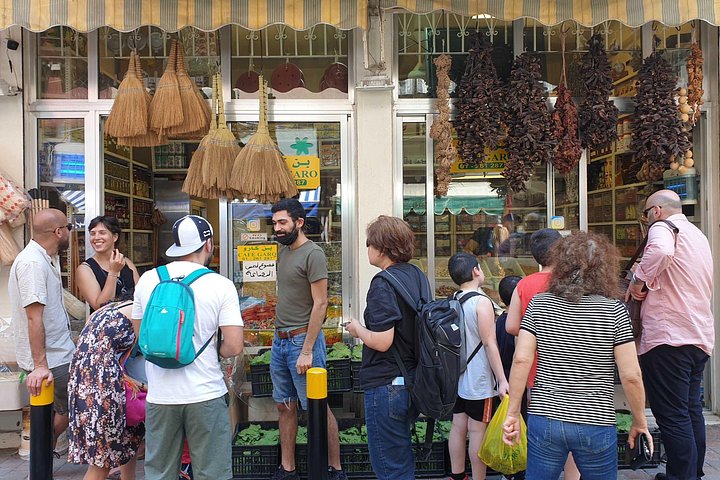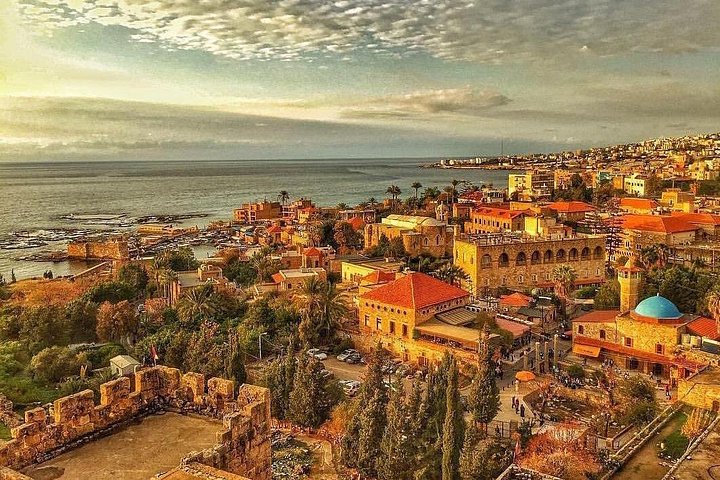
Byblos, called Jbeil in Arabic, is a small coastal town about forty kilometres north of Beirut with an archaeological record that stretches back some seven thousand years. It was a major Phoenician trading port, the source of the cedar and papyrus trade that gave the Greek language its word for book, and later a Roman, Byzantine and Crusader town. The ruins sit in a single walled site beside the sea, so in a morning you can walk from Neolithic huts to Phoenician temples, a Roman colonnade and theatre, and a Crusader castle of pale sandstone whose keep is the best viewpoint over the whole place. The site is listed as a World Heritage property, and it is one of the few in the country where the layers of history are easy to read on foot. Beyond the ruins, the old town is a pleasure in its own right. Narrow stone lanes lead to a small souk of craft and souvenir shops, a medieval church and a mosque, and a harbour where fishing boats still tie up beside seafood restaurants and cafes. The marina is lively on summer evenings with outdoor terraces, music and a relaxed holiday crowd. Byblos works as a calm contrast to Beirut, with a village scale and a noticeably slower pace.
The headline monuments are worth knowing before you arrive. The Crusader castle was built in the twelfth century using stones recycled from older Roman structures, and you can climb its tower for a view across the harbour and the rooftops. The Temple of Baalat Gebal honours the city's patron goddess, and the nearby Obelisk Temple is named for its small standing stones.
The Roman theatre was moved stone by stone to its present sea-facing position in the twentieth century. A small museum on site explains the finds and the story of the Phoenician alphabet, whose early forms are associated with this coast.
The tour linked from this page covers Byblos together with Tripoli, which makes for a full northern day: the old port first, then the long drive up the coast to Lebanon's second city for its medieval markets, citadel and sweets. If you only want Byblos, it also appears on the classic Jeita Grotto and Harissa day trip, where it usually closes the day with a long lunch by the water. Independent visitors can reach Byblos by taxi or minibus and walk the whole town in half a day.
Plan on two to three hours for the ruins and old town, more if you add a seafood lunch. Midday sun on the exposed site can be punishing from June to September, so bring water, a hat and comfortable shoes, or start early. The harbour is at its best in the late afternoon and evening, when the heat eases and the terraces fill.
Wine lovers can add a tasting at one of the nearby wineries, and several local operators offer this as a short extension. Byblos is easy, compact and rewarding, and it suits every age and fitness level.
Photographers will find the late afternoon glow on the castle walls hard to resist, and the fishing boats in the harbour provide a ready-made foreground. If you plan to swim, small beaches and beach clubs lie a short drive north and south of the old town, and they are popular in the warmer months.
What to expect
The experience
A guided walk through the walled archaeological site and old town, then free time in the harbour, often combined with Tripoli or with Jeita and Harissa.
Best time
Early morning or late afternoon. Midday summer heat is strong on the exposed ruins.
How long
Two to three hours in Byblos itself.
Tips
Climb the castle tower for the best view, bring water and a hat, and keep time for a seafood lunch by the harbour.
Quick picks
- Best for
- History lovers who want ancient layers without a long hike.
- Families
- Easy and compact, with plenty of space to roam and ice cream by the harbour.
- Couples
- Sunset on the harbour terraces is a classic Lebanese date.
- Pair with
- Jeita Grotto and Harissa on the same day, or Tripoli and Batroun on a northern route.
- Time needed
- Half a day on its own; a full day with a second stop.
Good questions
How old is Byblos?+
Archaeologists trace settlement here back around seven thousand years, which makes it one of the oldest continuously inhabited towns in the world.
Is Byblos a World Heritage site?+
Yes. The ancient city was inscribed on the World Heritage list in the 1980s for its record of Phoenician and later civilisations.
How long do I need?+
Two to three hours covers the ruins and the old town. Add time for lunch if you want to enjoy the harbour.
How do I get from Beirut to Byblos?+
By guided day trip, taxi or minibus. The drive is about forty minutes outside rush hour.
Is Byblos good in summer?+
Yes for the evening harbour atmosphere, but the ruins are hot at midday, so visit early or late and carry water.