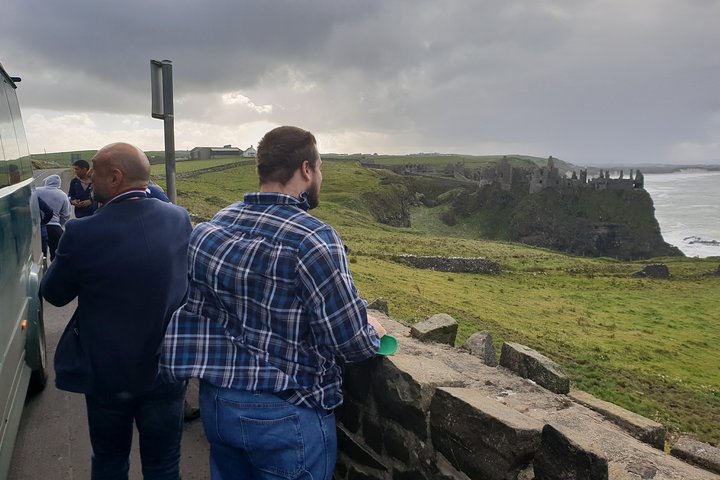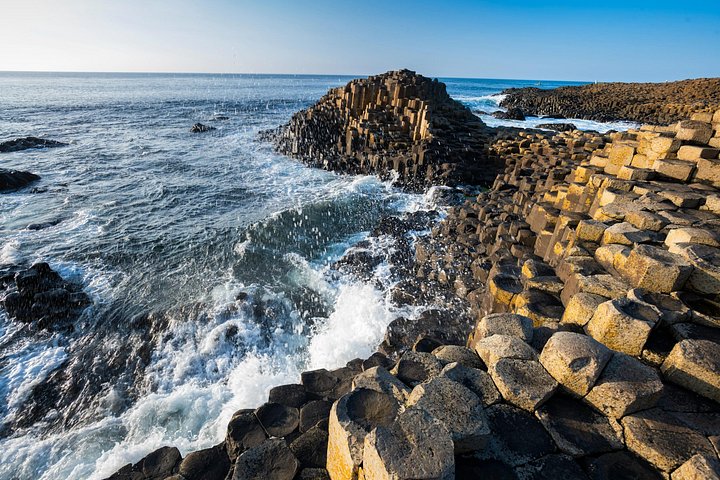
Dunluce Castle is the most photogenic ruin in Northern Ireland, a cluster of broken gables and towers on a rocky headland that drops sheer to the sea on three sides. The MacQuillan family began building it around 1500, and the first written record dates from 1513. In the 1550s the MacDonnell clan seized it under the warrior chieftain Sorley Boy MacDonnell, and in the seventeenth century it became the seat of the earls of Antrim, who established a small town beside it in 1608. The story every guide tells is the stormy night in 1639 when the castle kitchens fell into the sea, and the family is said to have moved out soon afterwards. What remains is atmospheric rather than grand, with ruined walls, a gatehouse and cliff-edge viewpoints, and the setting does most of the work: waves on three sides, the Atlantic wind and views along the coast towards the Giant’s Causeway. The castle is looked after by the Department for Communities, which notes that charges may apply, and sign-language tours in British and Irish Sign Language are available. It is a half-hour stop for most people, but photographers and history lovers will happily stay longer, especially on a moody, overcast day when the stones look their best.
How to visit
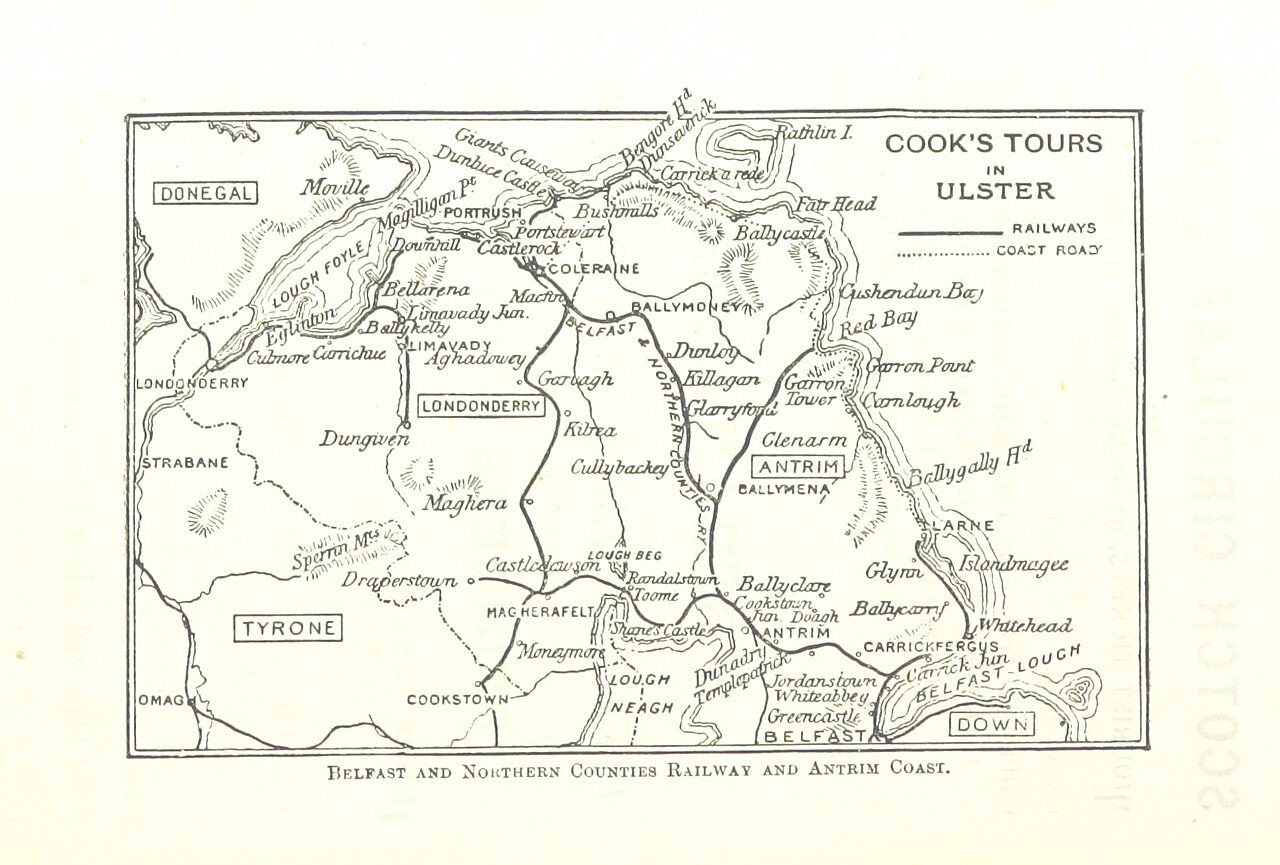
Dunluce stands on Dunluce Road, just outside Bushmills, a short drive west of the Giant’s Causeway and roughly an hour and a half from Belfast by road. It is easy to combine with the Causeway and the Dark Hedges, and several coach tours from the city include a stop here. If you are driving, the castle is on the Causeway Coastal Route and has its own car park. Check opening times and admission with the Department for Communities before you travel, because hours and prices change with the season.
What to expect
The site is open-air and exposed, so wear a waterproof and sturdy shoes, because the ground is uneven and the wind off the Atlantic can be strong. The castle rewards a slow walk, so take in the gatehouse, the courtyard and the vantage points on the cliff edge, and read the information boards for the story of the vanished town beside it. Keep to the marked paths and stay clear of the edges, particularly with children.
Making the most of it
Arrive early or late for the quietest conditions and the softest light, and stand back on the mainland path for the classic view of the whole castle on its rock. Pair it with the Giant’s Causeway for the main sights of the north coast in a single day, and leave a little flexibility for weather, which is part of the experience here.
Planning around it
Dunluce works best as one stop on a north coast day, not a destination for a whole day on its own. A common running order is Carrick-a-Rede on the way out, then the Giant’s Causeway, Dunluce and the Dark Hedges on the way back, though coach tours set their own order.
If you are driving yourself, build in time for slow country roads and for the way the weather can change the plan. Winter days are short, so check daylight and any seasonal opening hours first, and bring a hat and gloves, because the wind on the headland cuts through thin clothing even on bright days.
What to expect
The experience
A self-paced walk around a ruined clifftop castle, its gatehouse, courtyard and cliff-edge viewpoints, with information boards on its history.
Best time
Early morning or late afternoon, ideally on a moody day when the light on the ruins is at its best.
How long
Around an hour on site, plus the drive of roughly an hour and a half from Belfast.
Tips
Wear waterproofs and sturdy shoes, keep to the marked paths, and check opening times and admission with the Department for Communities.
Quick picks
- Best for
- History lovers, photographers and anyone chasing dramatic coastal scenery.
- Families
- Children enjoy the ruins and the legend of the falling kitchens, but the cliff edges need careful supervision.
- Couples
- A romantic, windswept stop on the Causeway Coast, especially in late-afternoon light.
- Pair with
- The Giant’s Causeway, a few minutes along the coast, and the Dark Hedges.
- Time needed
- One hour on site, or part of a full-day north coast tour.
Good questions
When was Dunluce Castle built?+
The MacQuillan family began building it around 1500, and the earliest written record dates from 1513. The MacDonnell clan took it in the 1550s.
What happened to the kitchens at Dunluce Castle?+
Tradition says the castle kitchens fell into the sea on a stormy night in 1639. The castle declined after that and was eventually abandoned.
How far is Dunluce Castle from the Giant’s Causeway?+
It is a short drive west of the Causeway, near Bushmills, on the same stretch of coast. Most north coast tours visit both.
Is Dunluce Castle free to visit?+
The Department for Communities notes that charges may apply, so check current admission before you go.
Is Dunluce Castle accessible?+
The site is open-air with uneven ground and exposed edges. Signed information tours in British and Irish Sign Language are available.