Belfast is a year-round city, because its best sights are mostly indoors or tolerant of grey weather. The seasons still change how you plan: daylight, crowds, coast access and opening hours all shift. The climate is mild and maritime, with cool winters, cool summers and rain in every month, so the real question is not whether you will see rain but how much daylight you want and how busy you want the sights to be. Here is how each season stacks up.
Summer: long days and busy tours
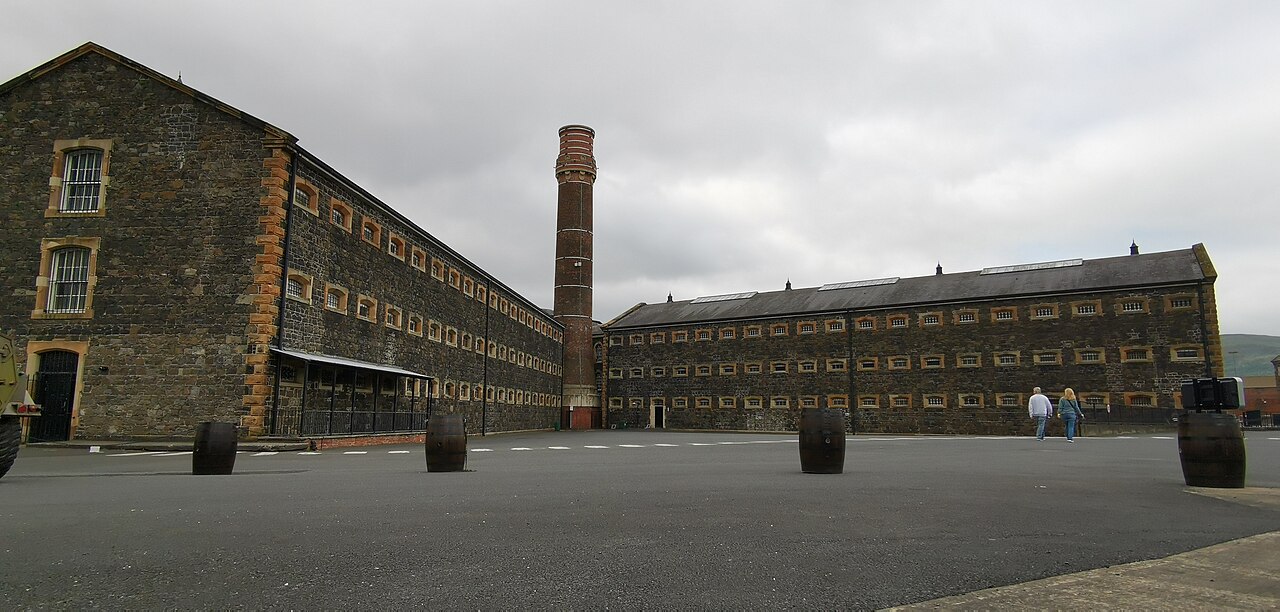
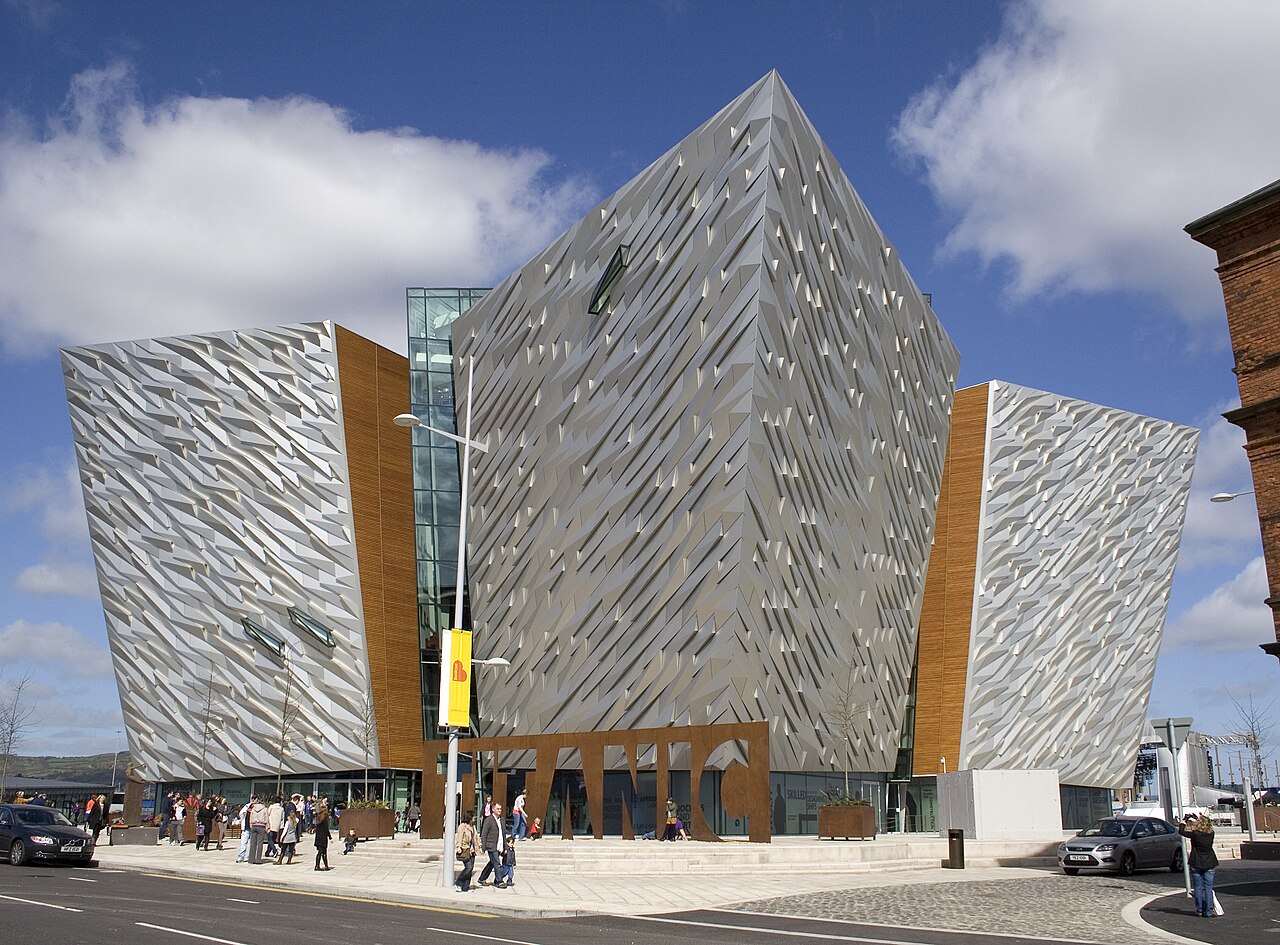
June to August gives the longest days, with light late into the evening, which is a gift for the north coast, where you can stay out late at the Causeway or Dunluce. It is also the busiest time, so book Titanic Belfast, the Game of Thrones tours, Crumlin Road Gaol and the Gobbins in advance, and expect the Causeway car park and the Dark Hedges to be busy. Hotels cost more, especially at weekends and during events. Temperatures are warm rather than hot, so keep a light layer and a waterproof in your bag.
Autumn: a good balance
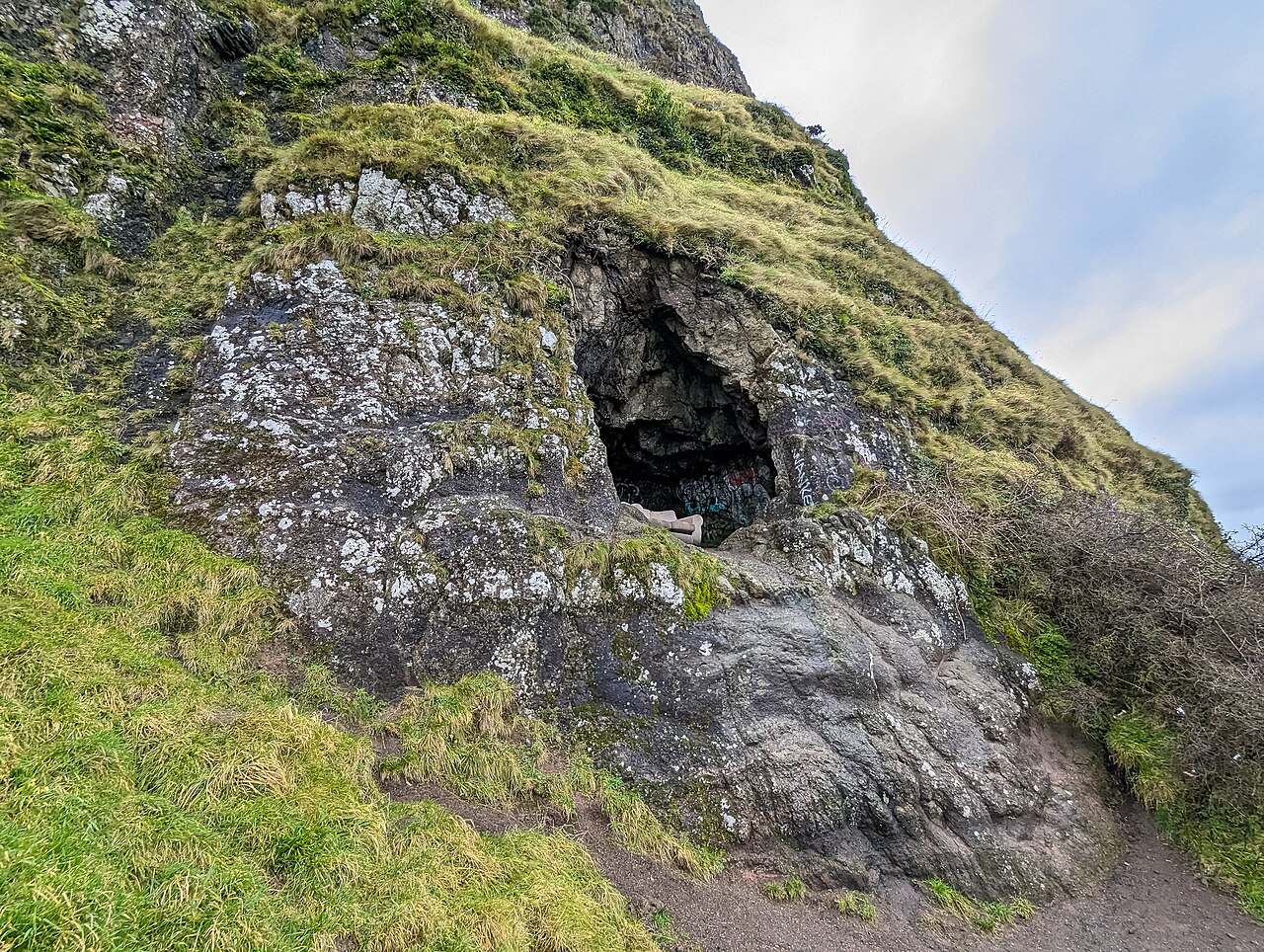
September and October are often the sweet spot. Crowds thin, the light is soft, the parks and the Botanic Gardens turn colour and the coast is still easy to reach. Rates fall after the summer rush, and it is a good time for the Game of Thrones Studio Tour, the Cave Hill walk and the open-air Ulster Folk Museum. Rain is likely, so plan a mix of indoor and outdoor days.
Winter: quiet and atmospheric
November to February brings short days, with the sun setting in mid-afternoon in December, and wetter, windier weather. In return you get far fewer visitors at Titanic Belfast, the Causeway and the markets, lower hotel rates and cosy pubs with fires. Some attractions close earlier or open later in winter, for example SS Nomadic opens from 11am, and Crumlin Road Gaol tours finish earlier in the afternoon. The Gobbins and some coastal sites can close in poor weather. Check each venue before you go and start days early to use the daylight. Titanic Belfast closes from 24 to 26 December. The Christmas market and lights around City Hall add charm in December.
Spring: fresh and improving
March to May sees the days lengthen quickly and the gardens come alive. Crowds are still manageable until the Easter and May holidays, and the coast is lovely on a clear day. It is a good time for the Hillsborough Castle gardens and for walking on Cave Hill. Weather is changeable, with sun, showers and wind often in the same afternoon.
Weather planning
Rain is part of the deal, so pack a proper waterproof, shoes with grip and layers, and keep an indoor plan ready. Good wet-weather choices are the free Ulster Museum, Titanic Belfast, Crumlin Road Gaol, City Hall, the food tour and a distillery tasting. Save the Causeway, Cave Hill and Belfast Castle gardens for the best clear spells, and look at the forecast the evening before to swap days. The north coast is windier and cooler than the city, so add a layer.
Events and busy periods
Summer weekends, concerts, bank holiday weekends and big sports fixtures can push up hotel rates and fill tours. In November, the Remembrance period affects some civic buildings, so check City Hall before you go. Book the key tickets early whenever you travel, because Titanic Belfast and some tours use timed slots.
Daylight and what to do with it
The gap between seasons is bigger than the temperature suggests. In midsummer you can fit a full coast day, an early dinner and an evening stroll along the river into the same stretch of light. In midwinter, daylight is short enough that you should put the outdoor highlights, such as the Causeway, Cave Hill or the Titanic slipways, in the middle of the day and keep the mornings and evenings for museums, markets and pubs. Bring a small torch or use your phone on unlit paths, and leave the cliff walks for a clear morning.
Crowds and booking
Outside July, August and the school holidays, most sights can be reached with a day or two of notice, although the Game of Thrones tours and Crumlin Road Gaol are best booked ahead in any month. Weekdays are calmer than weekends at the Causeway, Dunluce and Titanic Belfast, and the first slot of the morning is the quietest everywhere. If your dates are fixed, build the trip around the one thing you most want to see and leave the rest flexible for the weather.
Our pick
If you can choose, go in late spring or early autumn for the balance of light, price and calm. Go in summer for the longest coast days, and in winter if you value quiet streets, lower prices and a warm pub more than a long day outdoors.