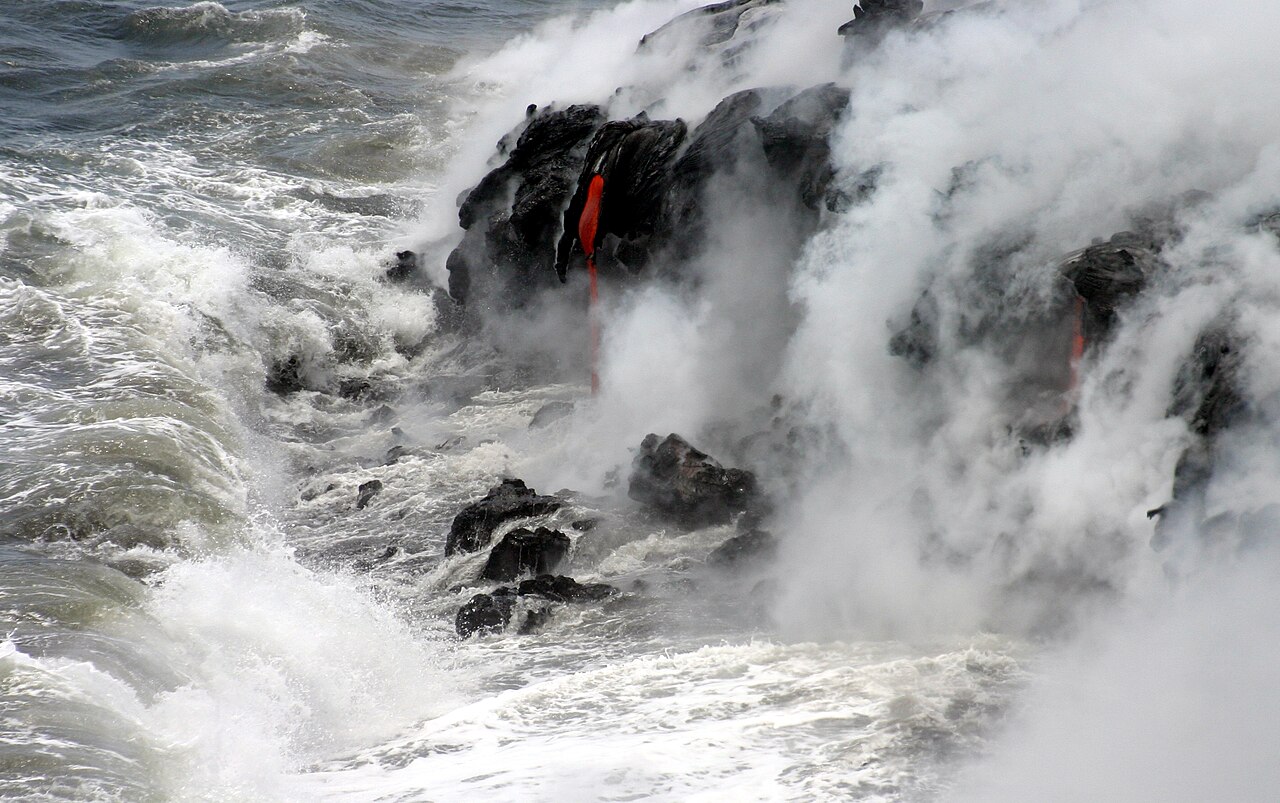
The Big Island is bigger than all the other Hawaiian islands combined, and most first-timers underestimate it. Driving from Kailua-Kona to Hilo takes about two hours via the north or south route, and the volcano is another 45 minutes beyond Hilo. The island is not one place but several: sunny leeward resorts, wet green windward valleys, cold summits, black lava fields and rolling ranch country. Planning around that geography is the secret to a good trip.
Know the two sides
The west side, around Kona and the Kohala Coast, is dry and sunny, with the airport, most resorts and the best beaches. The east side, around Hilo, is lush and rainy, with waterfalls, gardens and the gateway to Hawaii Volcanoes National Park. Most visitors split their stay or choose a base and make long day trips. If you only have a few days, pick the side that matches your priorities and accept that you will miss the other half.
The headline sights
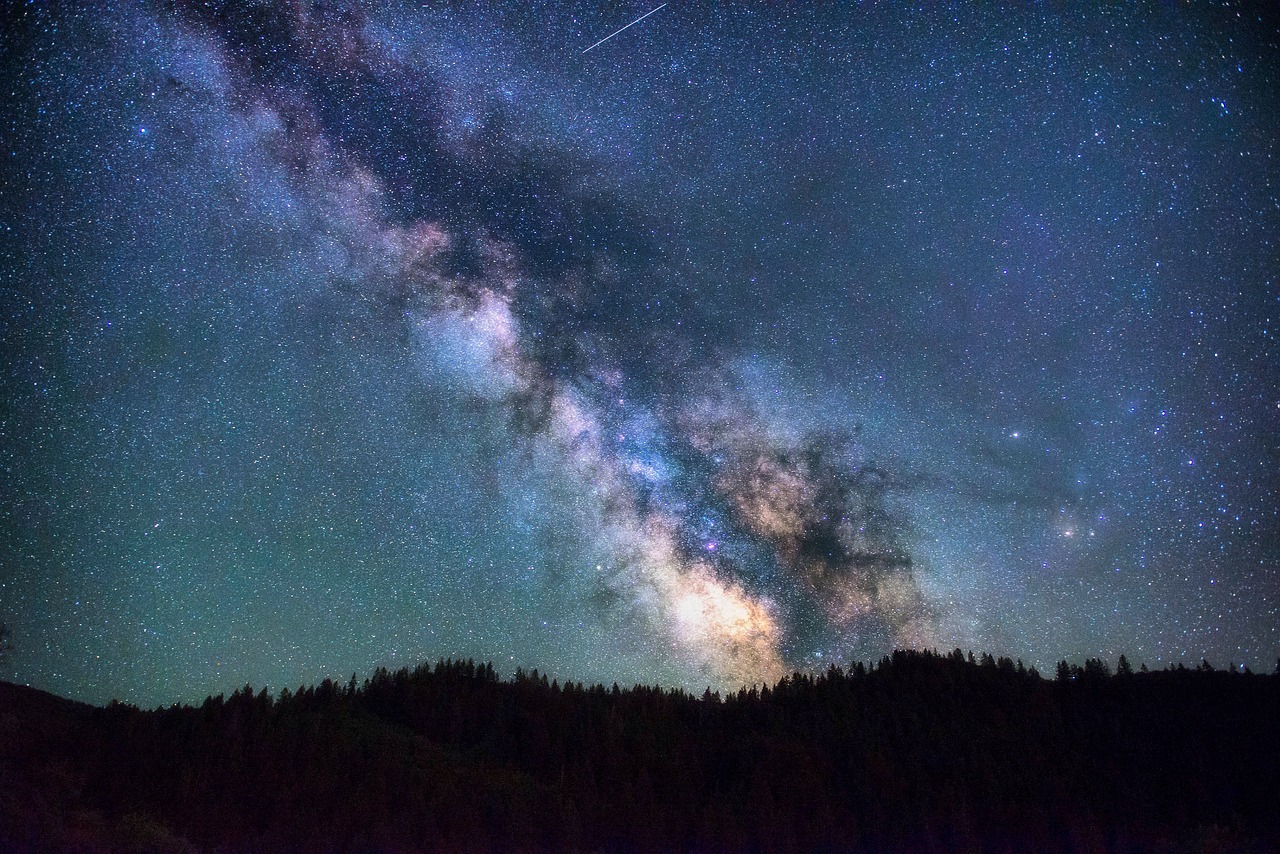
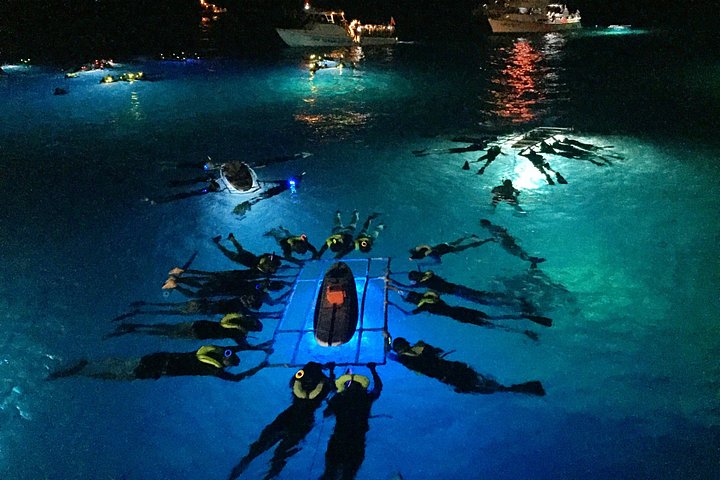
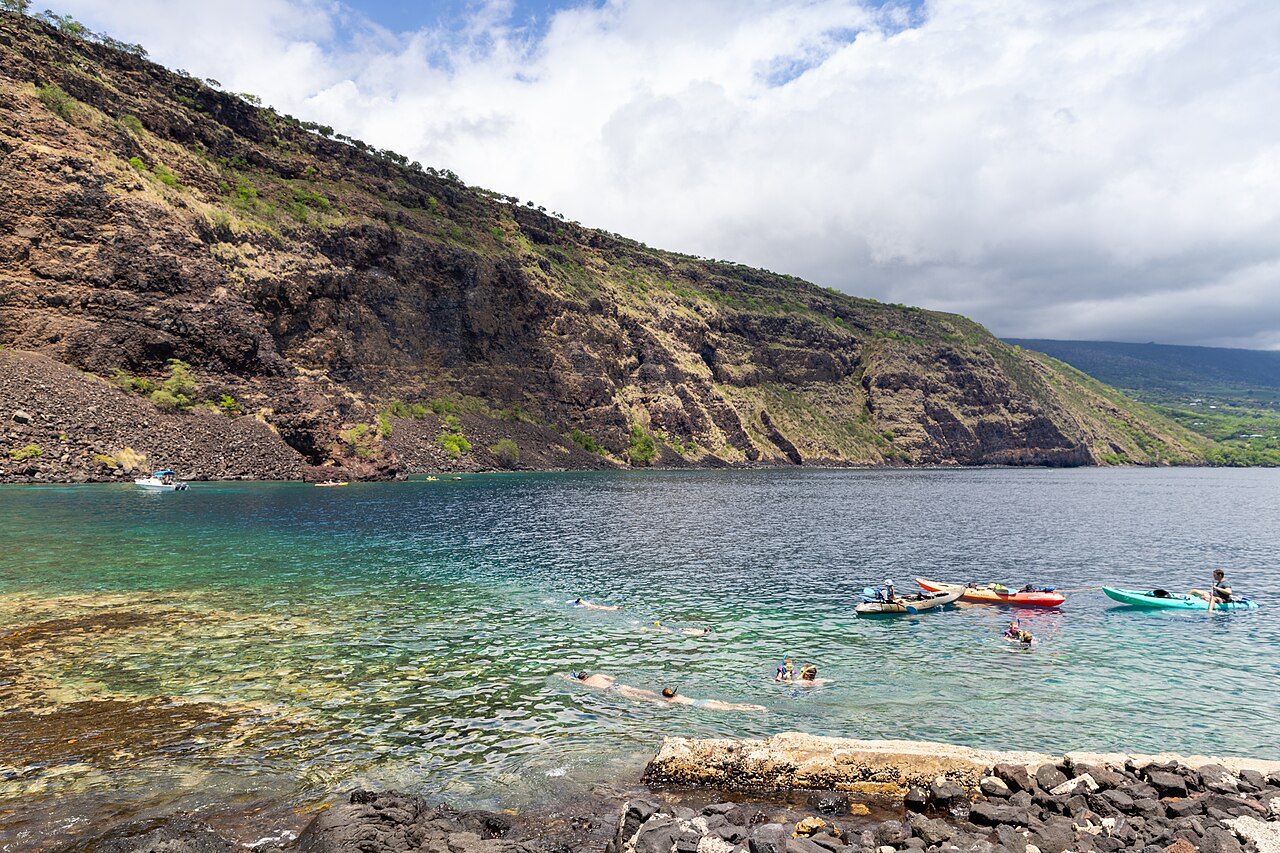
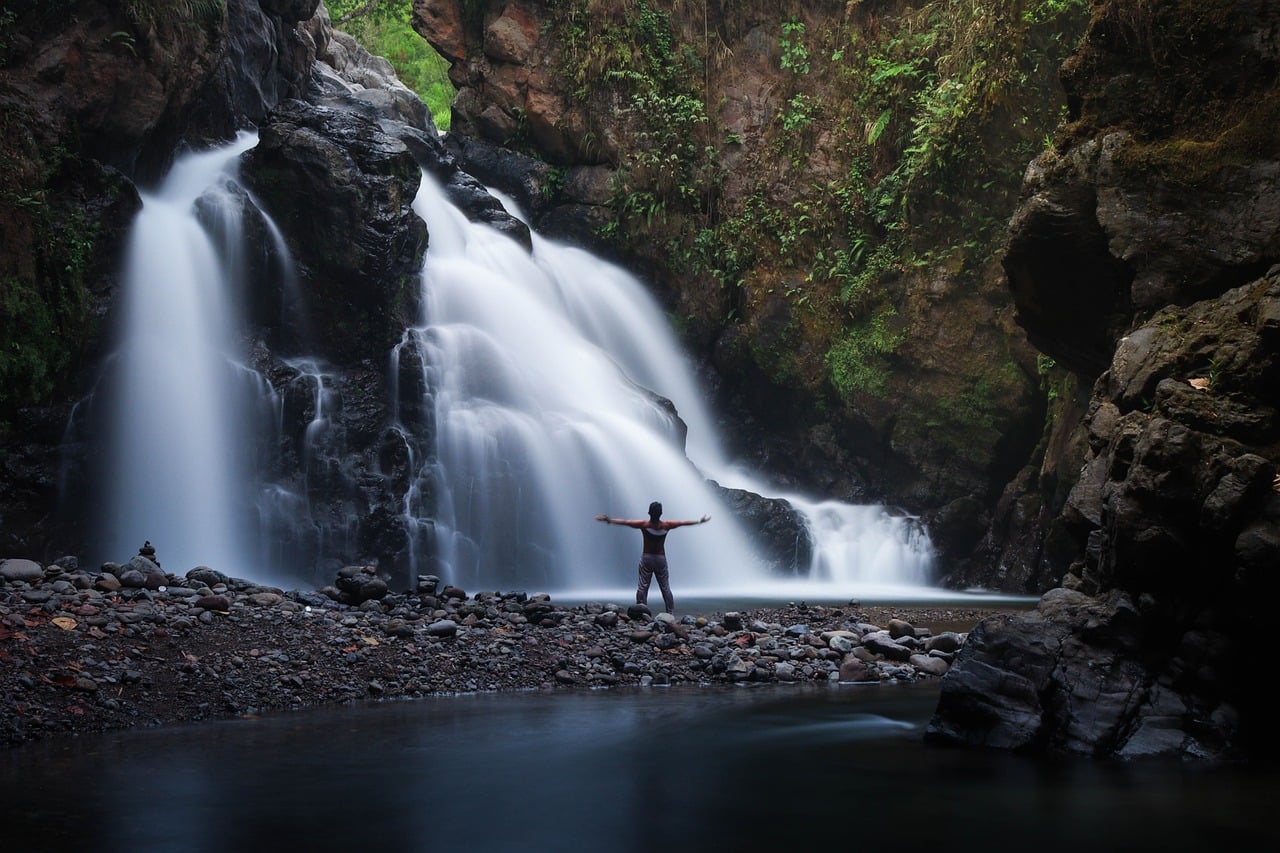
Hawaii Volcanoes National Park is the island's centerpiece, with Kilauea's caldera, steam vents, the Kilauea Iki crater and the Chain of Craters Road. Mauna Kea is the other icon, with a sunset and stargazing experience above the clouds. Add a manta ray night snorkel, a snorkel at Kealakekua Bay, a Kona coffee farm and a waterfall such as Akaka Falls, and you have the core of a classic itinerary.
Rent a car
Public transit is limited and tours cover only selected sights, so most visitors rent a car. Book early in busy seasons, and consider a vehicle with decent clearance, although most paved roads need nothing special. Do not take rental cars on rough roads that the agreement prohibits, such as the road to the Mauna Kea summit. Fuel up before long drives, especially across Saddle Road and in remote areas.
Plan for climate zones
Beaches are hot, but the volcano sits at about 4,000 feet and Mauna Kea's visitor station at about 9,200 feet. Pack layers, a rain jacket and closed shoes, along with swimwear and reef-safe sunscreen. Hawaii law restricts certain sunscreen ingredients, and reef-safe products help protect the coral. Altitude matters on Mauna Kea, where children, pregnant travelers and those with certain health conditions are advised not to go to the summit.
Pace and timing
Do not schedule more than one major excursion per day. A volcano day, a snorkel day and a beach day make a balanced trio. Early mornings are cooler and clearer, and afternoon clouds often build over the mountains. Whale season runs roughly from December to April, and the volcano can be visited year-round, though conditions at the summit vary with eruption activity. Check the national park's current conditions before heading out.
Respect the place
Many sites are sacred, from heiau to the summit of Mauna Kea. Stay on marked trails, do not move rocks or take sand and lava, and keep a respectful distance from turtles and monk seals. Aloha is more than a greeting; it is a way of treating people and land with care.
Where to stay
Resort lovers should look at the Kohala Coast, with places such as Hilton Waikoloa Village and the Waikoloa Beach Marriott. Travelers who want town life should choose Kailua-Kona, with the Courtyard King Kamehameha and Kona Seaside Hotel as examples. For the volcano, Kilauea Lodge and Volcano House put you near the park, and Hilo has bayfront hotels such as the Hilo Hawaiian. See our where-to-stay guide for a fuller breakdown.
Food and shopping
Try a plate lunch, poke, fresh fruit and Kona coffee. Farmers markets offer the best produce, and Hilo's market is the largest. Prices on the island are higher than on the mainland, so budget accordingly and stock up on groceries at larger supermarkets in Kona and Hilo.
Booking
Popular experiences such as manta ray snorkels, Mauna Kea tours and luaus fill up, so book before you arrive. Keep a day free for weather, since a rainy day on one side of the island can be sunny on the other.
Money-saving and safety notes
Gas, groceries and restaurant meals cost more than on the mainland, so build a realistic daily budget and consider a stop at a big-box store near the airport for snacks, water and snorkel gear. Ocean safety deserves respect: swim near lifeguards when possible, never turn your back on the surf and heed posted warnings about shore break, rip currents and high surf. Drive carefully on narrow, winding roads, give way to locals who are in a hurry, and never leave valuables visible in a parked car at trailheads and beaches. Finally, give yourself permission to do less. The best Big Island days often include one big experience, a long lunch and an unhurried sunset rather than a packed schedule.