The Big Island's sheltered Kona coast has some of the clearest, calmest water in Hawaii, and snorkeling here ranges from beginner-friendly beaches to boat trips to a legendary marine monument. Because the island is young, lava shoreline is rugged and coral forms in patches, so the best spots are in bays and on reefs protected from swell.
Kahaluu Beach Park
The easiest place to start. A natural breakwater creates a shallow, calm bay with coral heads, tropical fish and often turtles. Lifeguards and educators are usually on duty, and rentals are nearby. Go early for clear water and parking. Avoid touching coral or standing on the reef.
Kealakekua Bay
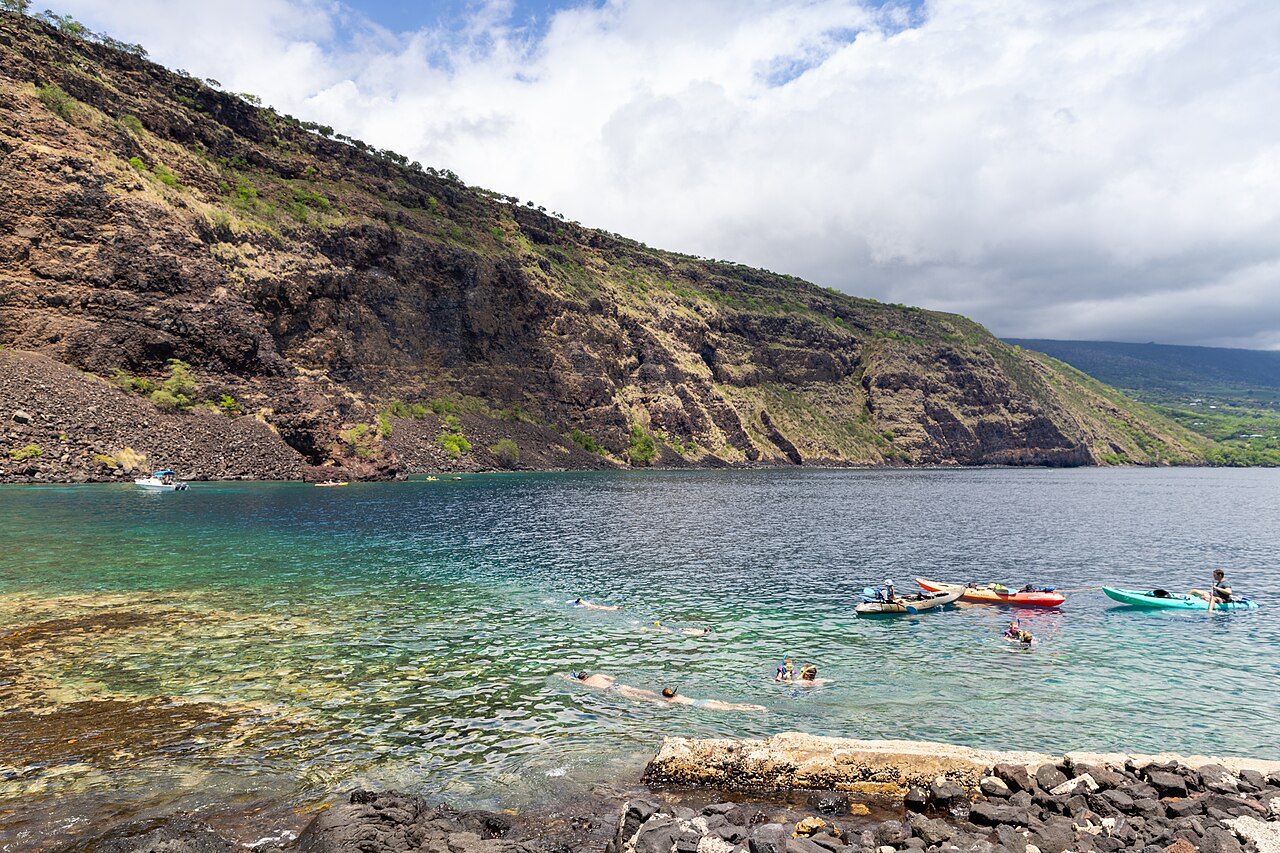
A marine life conservation district and one of Hawaii's top snorkel destinations. Clear water, healthy coral and spinner dolphins in the morning make it special. The Captain Cook monument stands on the north shore, reachable by boat or a long hike. Boat tours and kayak trips are the usual way to visit, with small-group operators offering early departures to beat crowds.
Manta ray night snorkel
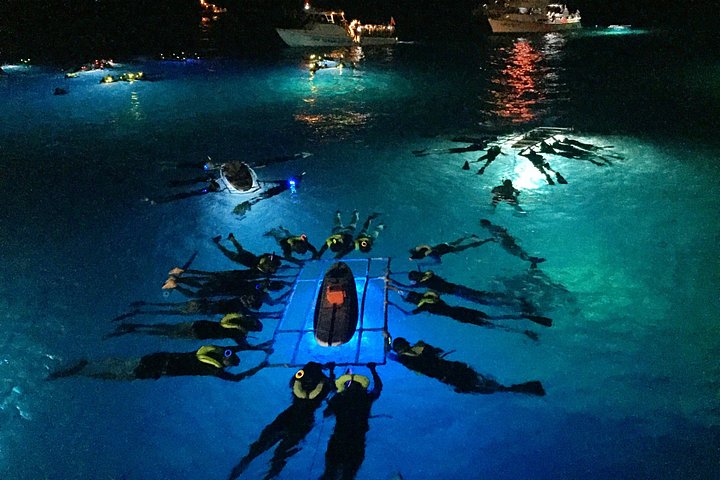
A uniquely Kona experience. Lights attract plankton, which draws giant manta rays that glide and loop beneath you. Tours depart near Keauhou or Kailua, and snorkelers hold onto a floating board while rays swim just below. It is exciting, a little eerie and unforgettable. Choose a reputable operator, and follow instructions to avoid touching the animals. Bring a warm layer for afterward, since the night air can feel cool.
Boat trips
Catamarans and rafts take you to reefs, sea caves and dolphin areas along the coast. Larger boats are stable and comfortable, while rafts are faster and closer to the water. Ask about gear, wetsuits and lunch. Calm mornings are best, and seas can be rougher in winter.
Other spots
Honaunau Bay near the place of refuge, Two-Step, and Kua Bay on calm days are popular. Always check conditions with lifeguards or locals, and observe the day's surf. The north and east coasts are exposed and rough, so snorkeling is typically on the west side.
Safety and etiquette
Wear reef-safe sunscreen, and consider a rash guard. Keep at least ten feet from turtles and 50 yards from dolphins, and never chase them. Do not feed fish, and leave nothing behind. A flotation vest is a good idea for less confident swimmers, and you should never snorkel alone.
Gear
Renting is easy, but a well-fitted mask makes a big difference. Test the seal before entering the water, and apply anti-fog. Fins help with currents. If you plan to snorkel often, buying your own gear is worthwhile.
Combine experiences
Start with Kahaluu, then do Kealakekua, then end with the manta night snorkel. Or do a submarine dive for a dry view. Whichever you choose, the Kona coast offers some of the best marine encounters in the islands.
Choosing the right trip for your level
Beginners should start at Kahaluu, where the water is shallow and help is nearby, then move on to a guided boat trip with a flotation vest if needed. Confident swimmers will enjoy Kealakekua Bay and the manta night snorkel. Families with young children might prefer the submarine or a glass-bottom boat for a dry look at the reef. If you wear glasses, ask about prescription masks, and if you are prone to seasickness, choose a larger vessel and take a remedy before departure.
Seasons and conditions
Summer brings calmer seas and clearer water on the west side, while winter swells can make some entries rough and cancel boat trips. Mornings are generally calmer than afternoons, when onshore breezes pick up. Visibility is usually excellent, often 50 feet or more, but can drop after heavy rain or surf. Keep an eye on lifeguard postings, and remember that conditions can change quickly. Whale season in winter adds the chance to hear humpback songs underwater, a haunting sound that carries a long way.
Looking after the reef
Healthy reefs depend on small choices. Do not stand on coral, which can be damaged by a single step. Avoid sunscreens containing oxybenzone or octinoxate, which are restricted in Hawaii, and choose mineral products or wear a rash guard instead. Never take shells, coral or lava rock as souvenirs. If you see trash, pick it up when it is safe to do so. These habits help keep the snorkeling excellent for the next visitor and the creatures who live here.