Few places in Europe take eating as seriously as the Basque Country, and none make it easier for a visitor. The format is the pintxo bar: a counter piled with small plates, a crowd standing and talking, and a slow progress from one bar to the next. Done properly it is lunch, dinner and an evening out in one. This guide explains how it works and what to look for, in both cities.
How a pintxo crawl works
Pintxos are small bites, often served on bread and held with a stick, and the bars are often tiny. The usual habit is to order one or two things and a small drink at each place, then move on. Cold pintxos sit on the counter and you can take them yourself or point; hot pintxos are cooked to order, so ask what the house is known for and wait for them. Keep track of what you eat and pay at the end of your visit, since the bars trust you to be honest. The local word for the crawl is txikiteo in Bilbao, and in San Sebastián it is simply going for pintxos.
Bilbao: where to graze
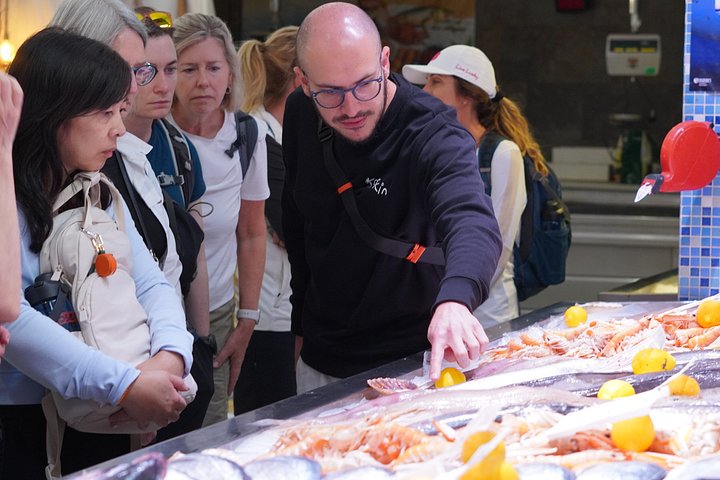
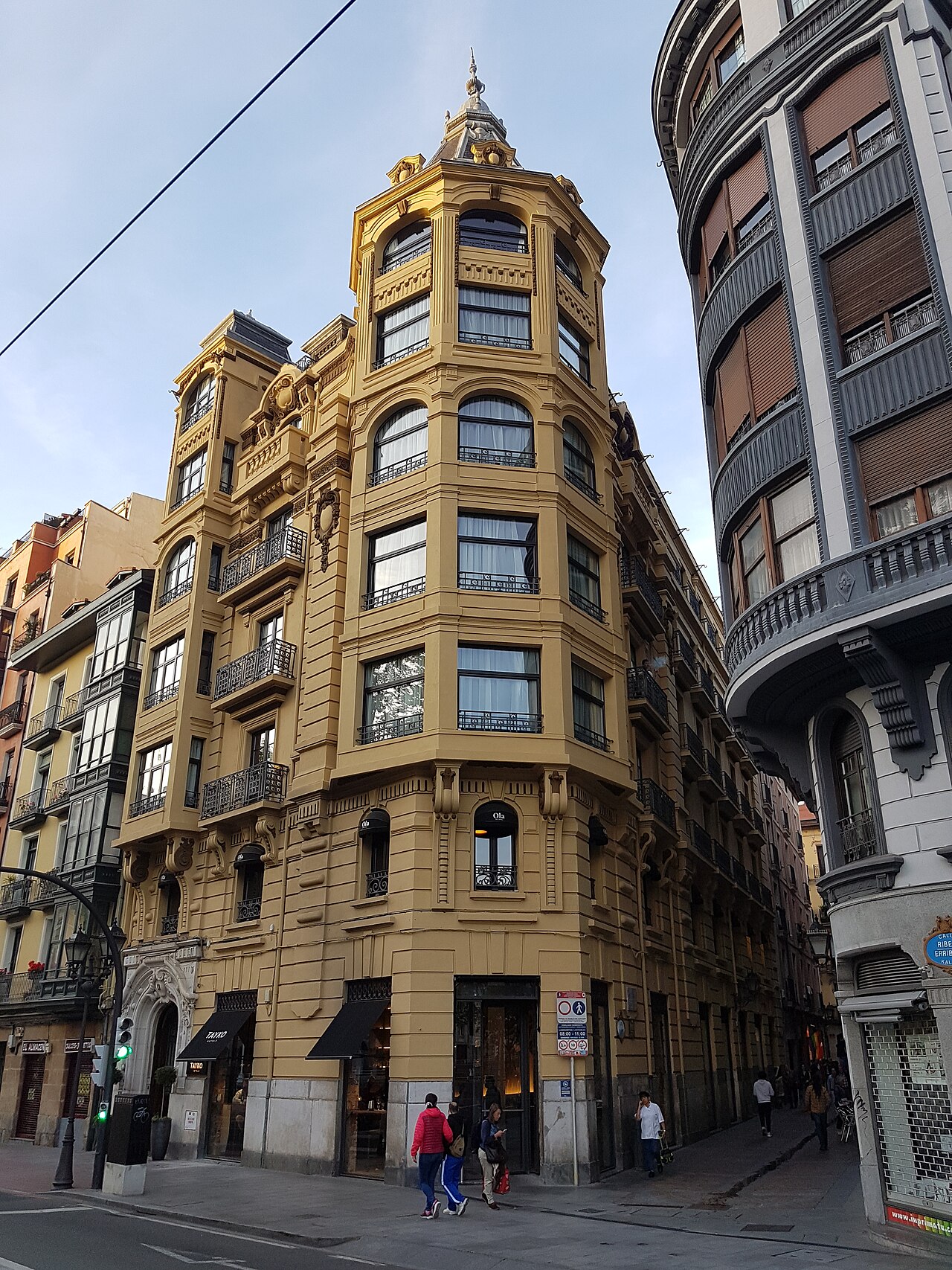
The Casco Viejo is the obvious start, especially the Plaza Nueva and the Seven Streets, where almost every door is a bar. The Ensanche, the nineteenth-century grid around the Plaza Moyúa and the Diego López de Haro street, has a more local feel and slightly smarter counters. In the morning, the Mercado de la Ribera is the place to see the fish, meat and produce that feed the city, and the food space upstairs lets you taste your way through it. Bilbao also has a tradition of a cheap drink and a bite on a weekday evening, so ask locally if any bars are running a pote night.
San Sebastián: the Parte Vieja and beyond
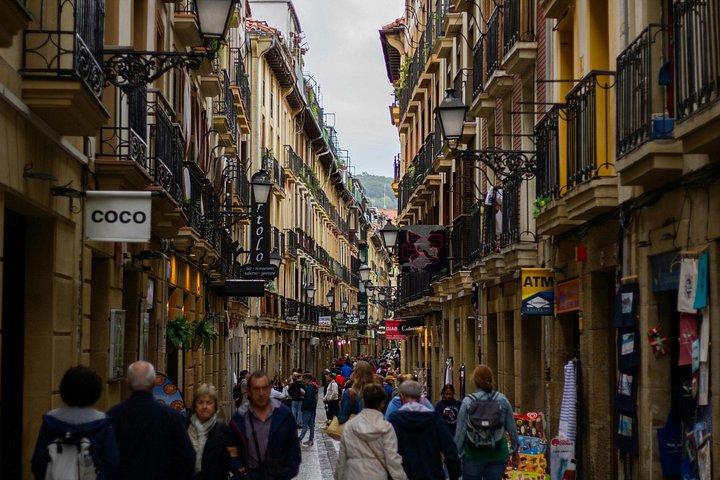
The old town packs more bars into a few streets than any other place in Spain, centred on 31 de Agosto and Fermín Calbetón. The bars of the Parte Vieja are the famous ones and the busiest, which is why a guided crawl is so useful for a first night: the tourism office’s small-group tour pairs eight pintxos with five wines from different Spanish regions over about three hours. For a quieter, more local evening, cross the river to Gros, where the bars are less crowded and often better value.
Dishes worth ordering
Look for the gilda, the skewer of olive, anchovy and a pickled pepper that is the classic of the genre. Salt cod appears in many forms, cooked in several of the region’s classic sauces. Look for grilled fish in the coastal towns, spider crab, cheeks of hake, small peppers from Gernika, local sheep cheese, and thick steaks of aged beef. In San Sebastián you will also find the famous burnt Basque cheesecake. If a bar has a short menu of a few things it does well, trust it over one with forty items.
What to drink
Txakoli is the slightly sparkling, dry white wine of the Basque coast, poured from a height into a wide glass to wake it up. Getaria and Bizkaia both make it. A small glass of red from Rioja is the usual alternative, and you can combine both on the Rioja day trip from Bilbao with the architect-designed wineries. Basque cider is a different tradition: sour and still, poured in a thin stream from a barrel at a sagardotegi, the cider house, where you catch it in your glass and drink it at once. The cider season runs in the cooler months, and the cider house trip from San Sebastián ends with a set lunch of cod omelette and steak.
Learn it hands-on
If you want to understand the cooking, a class is the best investment. The San Sebastián cooking class starts with a visit to the market and then moves to the kitchen, in English and in a small group, and it is a good plan for a wet afternoon. The Rioja and cider-house trips add a wine and a cider focus, and the Getaria coast tour is a good lunch stop for grilled fish.
Timing and etiquette
Lunch in the Basque Country is usually after two in the afternoon, and dinner often starts around nine, so the bars are at their liveliest from about eight in the evening, when the locals arrive. Many bars close on one day a week and many take a break between lunch and the evening, so look at the door before you walk in. Tipping is modest: round up or leave a little change. Reserve ahead for sit-down restaurants, especially for the famous ones, which fill weeks in advance.
Avoiding the traps
Be cautious about places with large photo menus, touts at the door and pintxos that have clearly been sitting for hours. Choose a bar that is busy with locals and eat what they are eating. Do not be shy of standing at the counter, since that is where the best bites are.