Bilbao rewards a slow three days better than a rushed one. The city is compact, the river ties the main sights together, and the best hours are often not in a museum at all but on the waterfront at the end of the afternoon or in a bar in the old town after dark. This itinerary is built around the weekly closing days, which are the main thing that can wreck a plan, and it leaves room for the rain that the green hills of the Basque Country come by honestly.
Before you start
Bilbao runs on the euro. The centre is walkable, and a rechargeable transport card gives you the metro, tram and city buses at lower fares than single tickets, which pays off on the day you go to the coast or the Vizcaya Bridge. Lunch is the main meal and is usually eaten after two in the afternoon, with dinner from about nine, so plan your museum hours accordingly and treat pintxos as the bridge between the two. Check the closing days on the venue pages before you fix the order of the days, because the Guggenheim and the Athletic Club Museum close on most Mondays outside summer, the Itsasmuseum closes on Mondays and Tuesdays, and the Bilbao Museoa opens only partly on its free Tuesdays.
Day one: the Guggenheim and the river
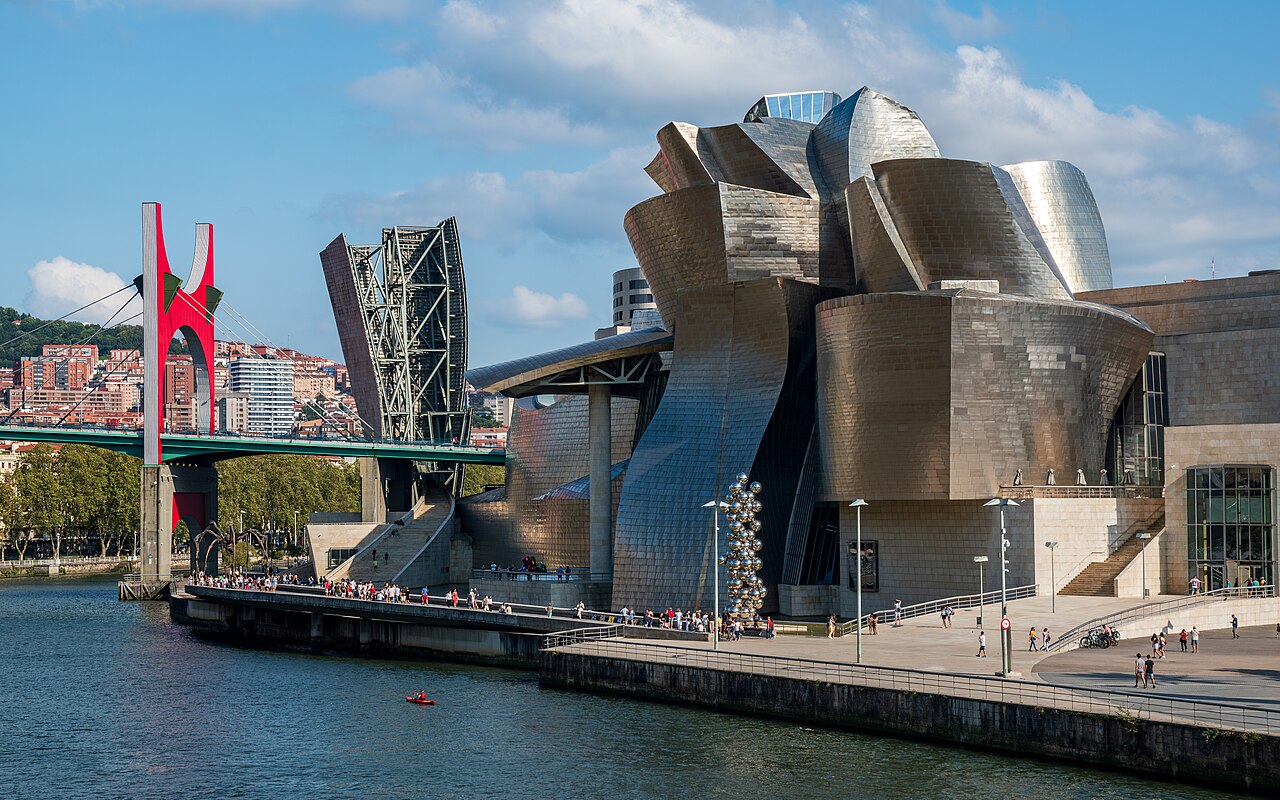
Start with Gehry’s titanium building and give the outside as much time as the galleries. Walk around it before you go in: Jeff Koons’s flower-covered Puppy on the terrace, Louise Bourgeois’s giant spider by the water and the long curve of the riverside promenade are all free. Inside, the Richard Serra sculptures in the huge ground-floor gallery are the part most visitors remember, so reach them with energy left. Book a timed ticket for the morning, or take a guided tour if you want the architecture explained. After lunch in the Ensanche, the grid of nineteenth-century streets behind the museum, walk the river upstream on the Campo Volantín side, cross a bridge and arrive in the old town at the golden end of the afternoon. For the first pintxo evening, begin at the Plaza Nueva and let the crowd choose your bar.
Day two: art, markets and the Casco Viejo
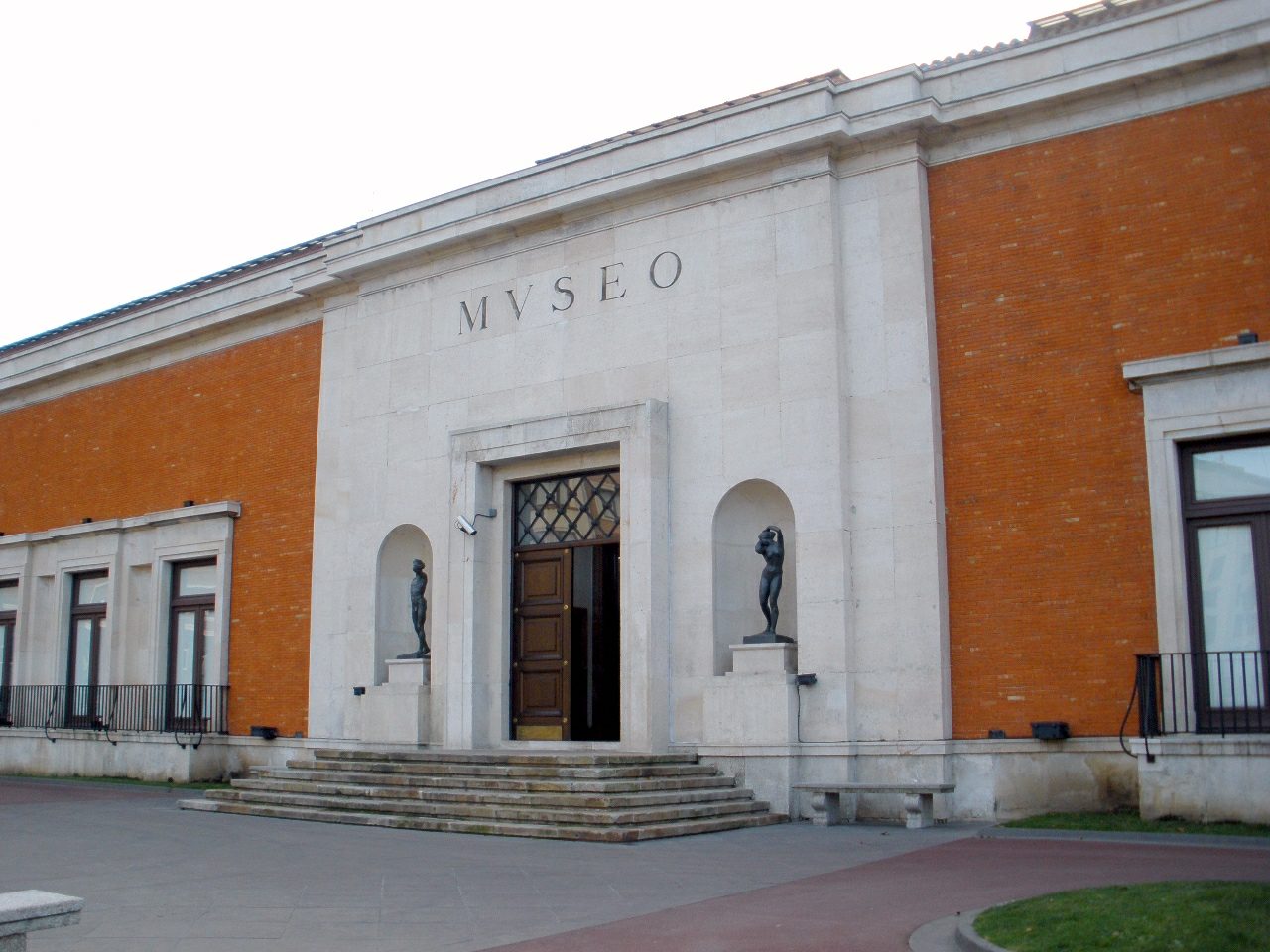
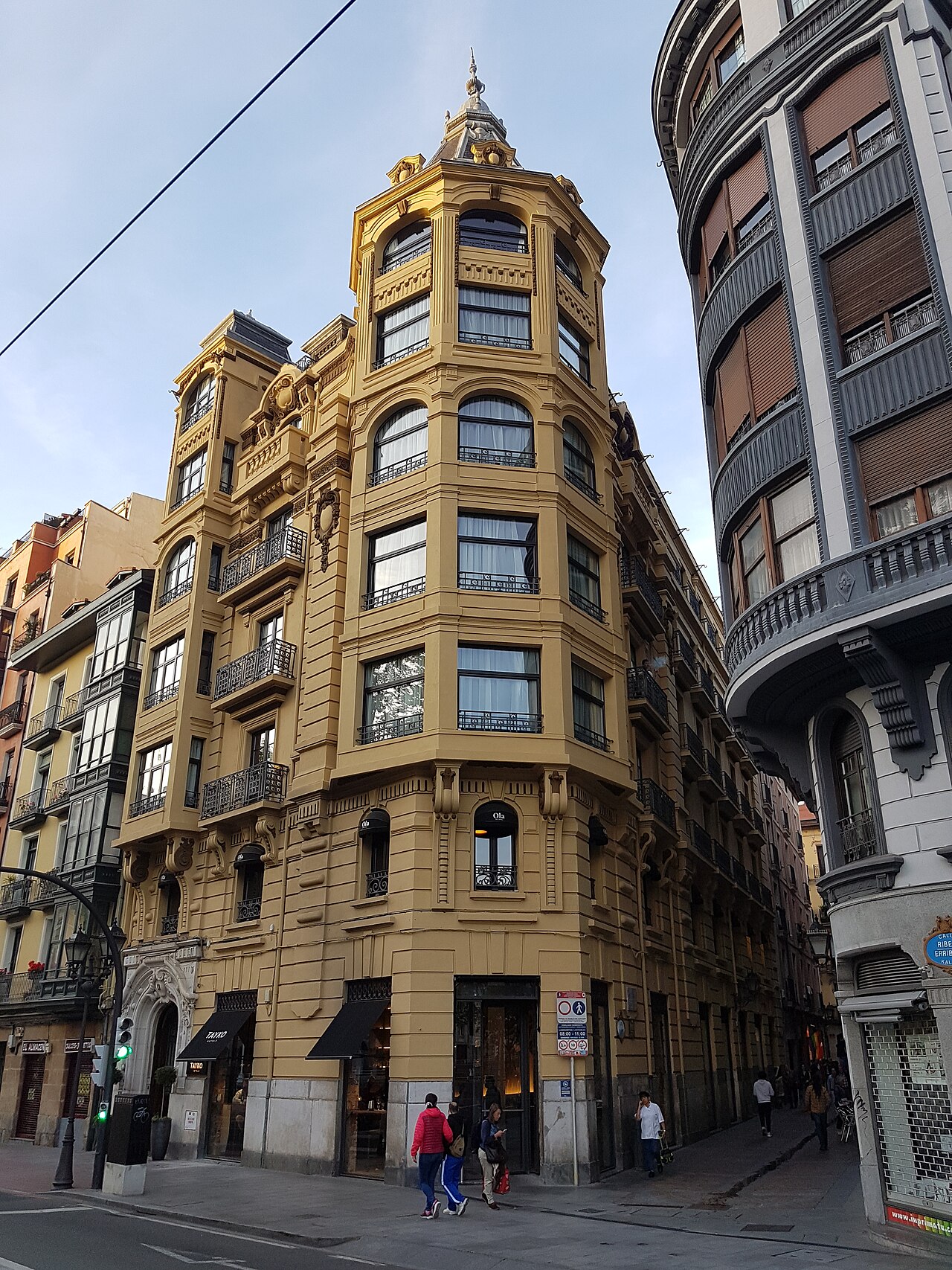
Spend the morning at the Bilbao Museoa, the Fine Arts Museum, now reopened with its glass extension. It is a ten-minute walk from the Guggenheim and holds seven centuries of European and Basque art, which makes a calm counterpart to the previous day’s spectacle. Come on any day except Tuesday if you want to see the whole building. For lunch, go to the Mercado de la Ribera, the huge Art Deco market hall beside the river, where the stalls are best in the morning and the upstairs food space gives you somewhere to sit. Then use the afternoon for the Casco Viejo: the Seven Streets, the Gothic Santiago Cathedral, the Arriaga Theatre and the lanes between them. The old town is free to wander and rewards aimless walking, so do not schedule it too tightly. In the evening, move on to the bars of the Ensanche or return to the old town for a second round.
Day three: choose your own ending
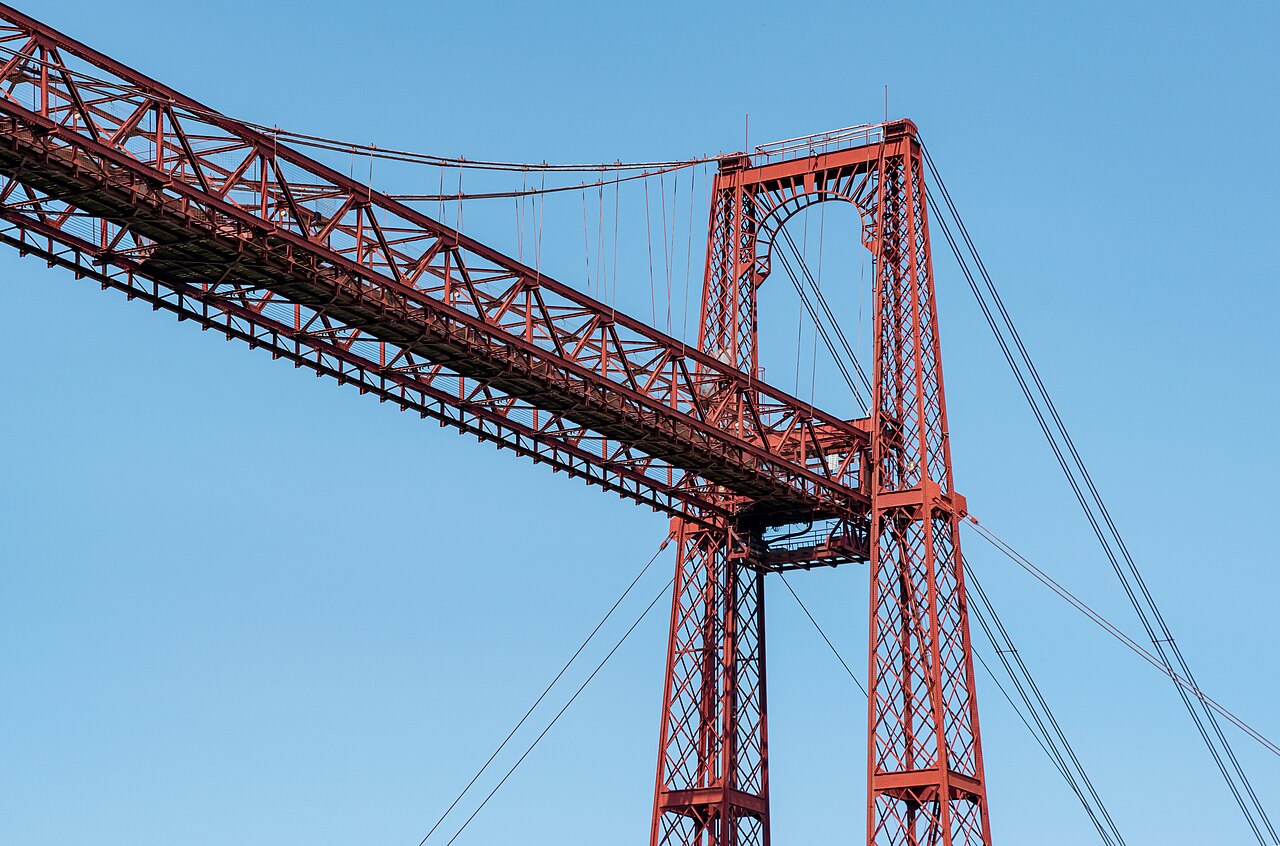
This is the flexible day, and you have three good options. If you love football, the Athletic Club Museum and the tour of San Mamés explains why Bilbao’s team is famous for fielding Basque players, and the Itsasmuseum in the old Euskalduna shipyard, a short walk away, adds the story of the river and a dock full of historic boats; this pairing needs a day from Wednesday to Sunday so that both are open. If you prefer engineering and sea air, take the metro out to Getxo and Portugalete for the Vizcaya Bridge, the world’s first transporter bridge, and ride the gondola or walk the high walkway, then wander the waterfront villas and finish at a seaside bar. If you have a full day and a dry forecast, join the guided coast tour to Gaztelugatxe, with Bermeo, Mundaka and Gernika on the way, and treat Bilbao itself as the evening.
If it rains
Move the Bilbao Museoa or the Guggenheim to the wettest morning, keep the market for lunch, and save the riverside walk for a gap in the clouds. The Itsasmuseum and the Athletic Club Museum are good indoor choices, and a cooking class or a pintxo crawl is one of the best uses of a grey evening anywhere in the Basque Country.
Where to stay
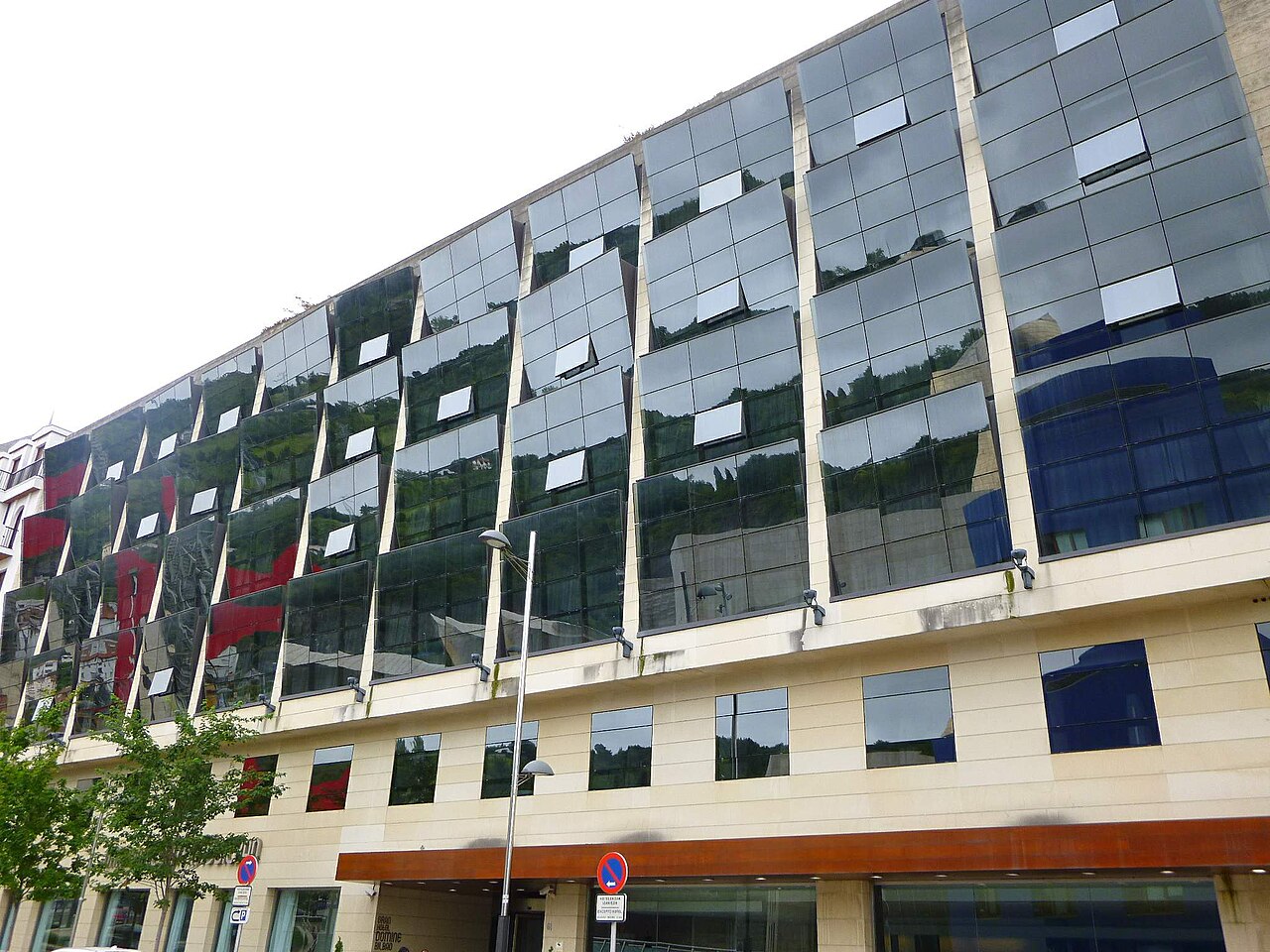
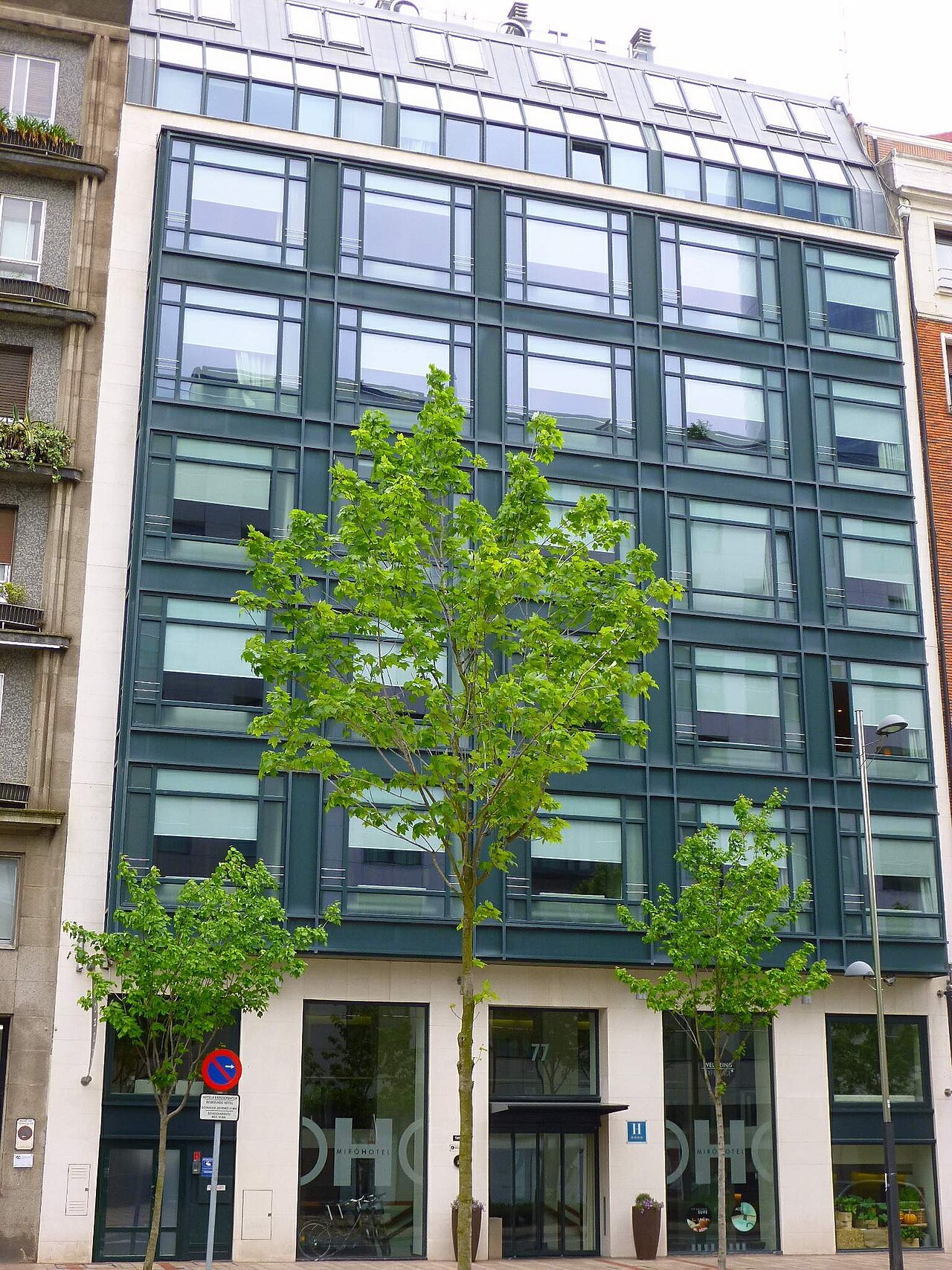
The Abando district along the Alameda de Mazarredo puts the museums within a few minutes on foot, the old town suits those who want bars at the door, and the area near San Mamés is the better value choice with easy links to the bus station for San Sebastián. All three put the main sights within a walk or one metro stop.
Adding San Sebastián
If you have a fourth or fifth day, take the bus along the coast and spend it by the bay. Our guide to two days in San Sebastián picks up where this plan stops, and the first-timer guide explains how to link the two cities.