Beauvoir is one of the most historically significant and most debated places on the Mississippi Gulf Coast. The Greek-revival-influenced raised cottage on Beach Boulevard in west Biloxi was completed in the early 1850s, and after the Civil War it became the final home of Jefferson Davis, the former president of the Confederacy, who lived and wrote there in the late 1870s and 1880s. Today the property operates as a historic house museum and presidential library complex, with the main house, a restored set of outbuildings and a library that holds books and documents related to Davis and to the region's nineteenth-century history. The grounds also contain a Confederate cemetery, which is part of why the site draws visitors with very different reasons for coming. Beauvoir took a direct hit from Hurricane Katrina in 2005. Many outbuildings and the library were destroyed or badly damaged, but the main house survived, and a long restoration followed. That recovery story, including the restoration of the house's distinctive raised-cottage form, its wraparound veranda and its Gulf-facing setting under old live oaks, is a major part of what the site now interprets. The staff has also worked in recent years to widen the story told on the property, including the labor of enslaved and later paid workers, so that a visit shows more of the full social history of a Gulf Coast plantation-era estate than the older, single-narrative version once did.
Come prepared to engage with the history rather than just admire the architecture. Davis remains a polarizing figure, and Beauvoir has been the subject of public debate over how the site presents the Confederacy and the Lost Cause. A good approach is to read the interpretive panels critically, ask your guide about the sources for what you are told, and treat the visit as a primary-source lesson in how Americans remember the Civil War.
Teenagers and adult learners often get the most from the experience because it raises questions about memory, monuments and historical context that classroom textbooks cannot.
Logistically, the property is a drive from central Biloxi, a few miles west along Beach Boulevard, and parking is on site. Plan one to two hours: a guided or self-guided pass through the house, a walk through the outbuildings and gardens, and time for the library display and the grounds. The setting is lovely in itself, with live oaks, a broad lawn running toward the Gulf and a shoreline walk that gives a sense of how the property looked before the storm.
Check current hours, tour formats and ticket details on the site before heading out, since operating schedules for house museums can vary by season and staffing.
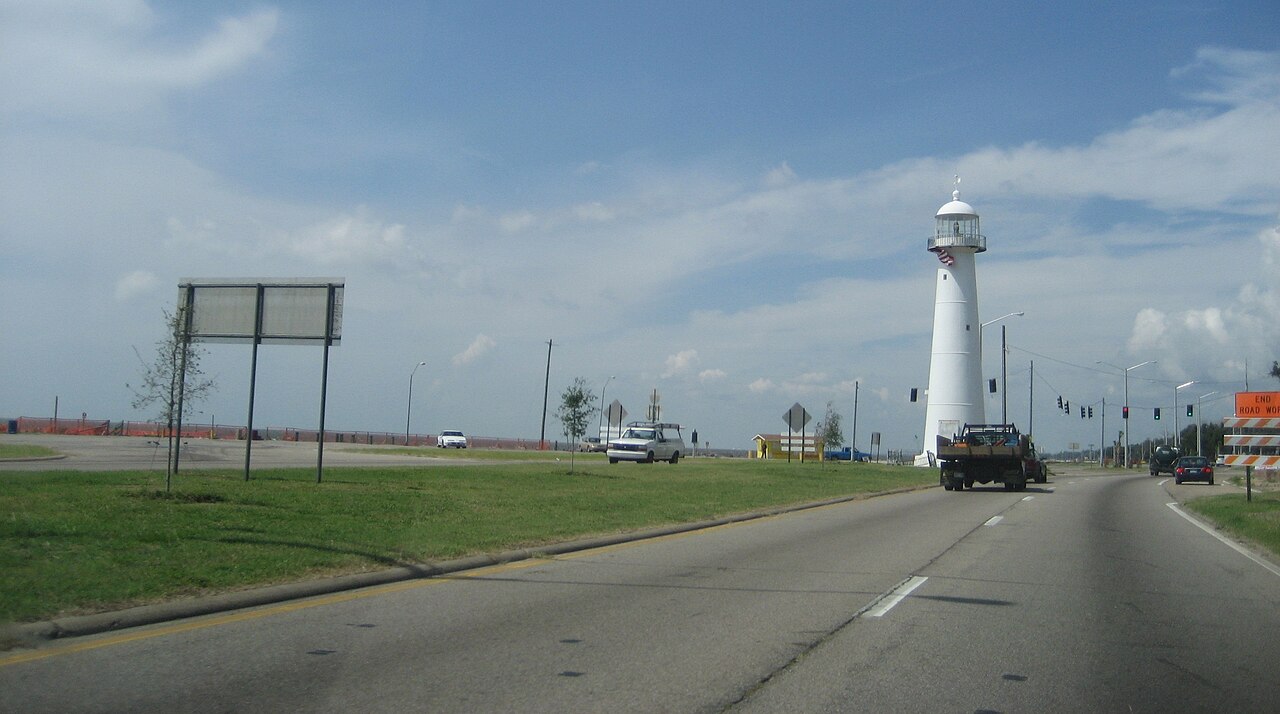
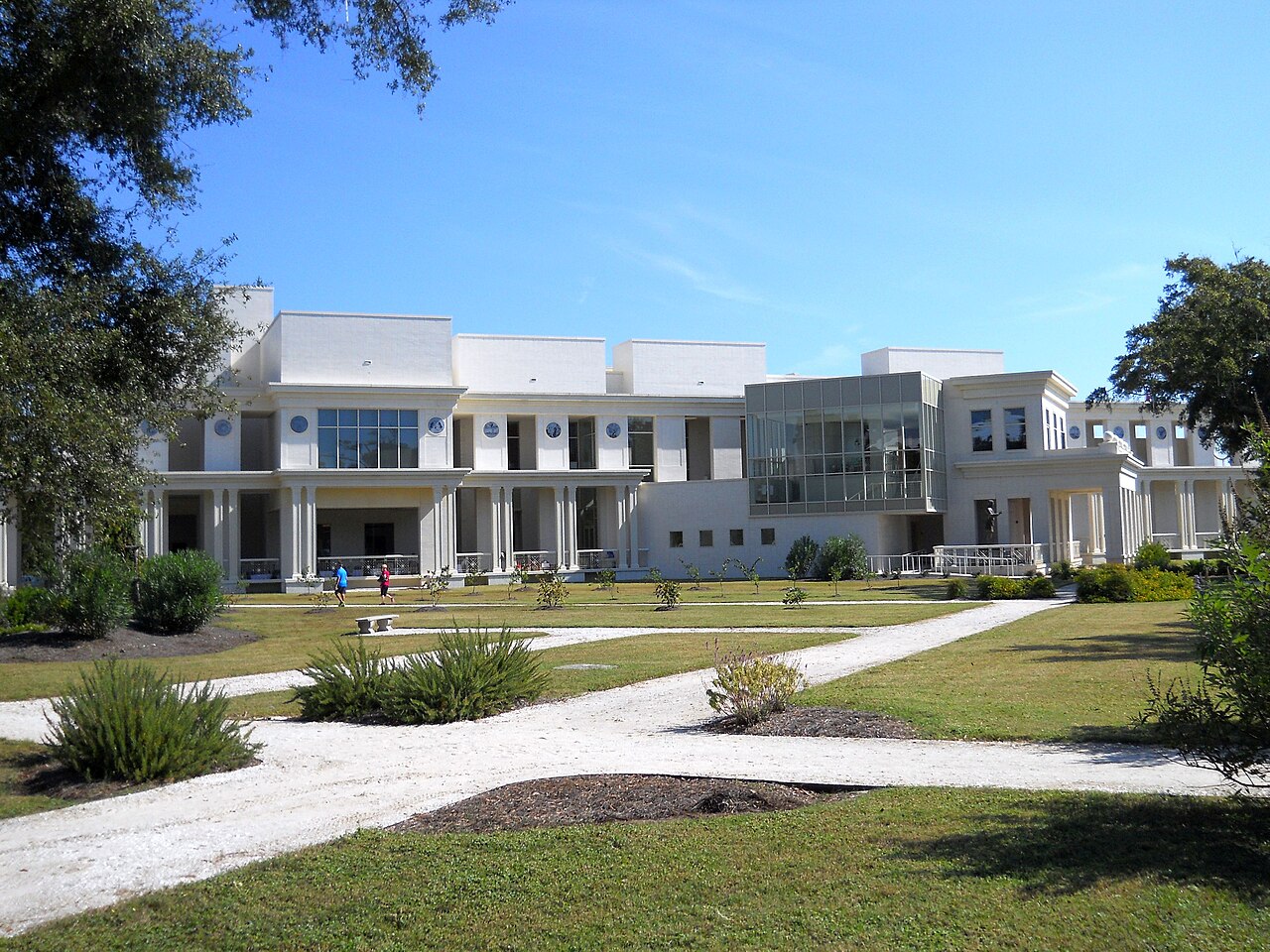
Beauvoir pairs well with a drive along the coast. West of it lies Gulfport, with the Mississippi Aquarium and Jones Park, and east lies central Biloxi with the lighthouse and the museums. If you are interested in Gulf Coast history more broadly, combine it with the Maritime and Seafood Industry Museum for the working-waterfront side of the story and the Ohr-O'Keefe campus for the artistic side.
Visitors who are sensitive to how Civil War history is presented should read about the site beforehand so they know what to expect and can decide whether it fits their trip.
What to expect
The experience
A house museum and historic estate with a restored main house, outbuildings, a library display, gardens and a Confederate cemetery, set under live oaks on the Gulf.
Best time
Mornings and cooler months make the grounds more comfortable. Check house tour times before you leave.
How long
Plan one to two hours including the grounds.
Tips
Read the interpretive material critically and ask questions. Wear sun protection for the lawn walk. Confirm current hours and tour options before driving out.
Quick picks
- Best for
- History-minded travelers, Civil War and Reconstruction readers and teachers.
- Families
- Best for older children and teens who can engage with the history; younger kids may prefer the beach.
- Couples
- A thoughtful daytime outing with a pleasant Gulf-side walk under the oaks.
- Pair with
- The Maritime and Seafood Industry Museum, the Ohr-O'Keefe campus and the Mississippi Aquarium.
- Time needed
- Two hours maximum, plus drive time from central Biloxi.
Good questions
Who lived at Beauvoir?+
Beauvoir was the last home of Jefferson Davis, the former president of the Confederacy, who lived there in the late 1870s and 1880s.
Was Beauvoir damaged by Hurricane Katrina?+
Yes. The 2005 storm destroyed or badly damaged several outbuildings and the library, though the main house survived and the complex was restored over time.
Is the site controversial?+
It can be. Beauvoir has been part of public debate about how Confederate history is presented. Visitors are encouraged to read the material critically and to consider the wider social history, including the lives of enslaved and employed workers.
How long does a visit take?+
Most visitors spend one to two hours on the house, grounds and displays.
Where is Beauvoir relative to downtown Biloxi?+
It is on Beach Boulevard in west Biloxi, a short drive from the central waterfront, and easy to combine with Gulfport.