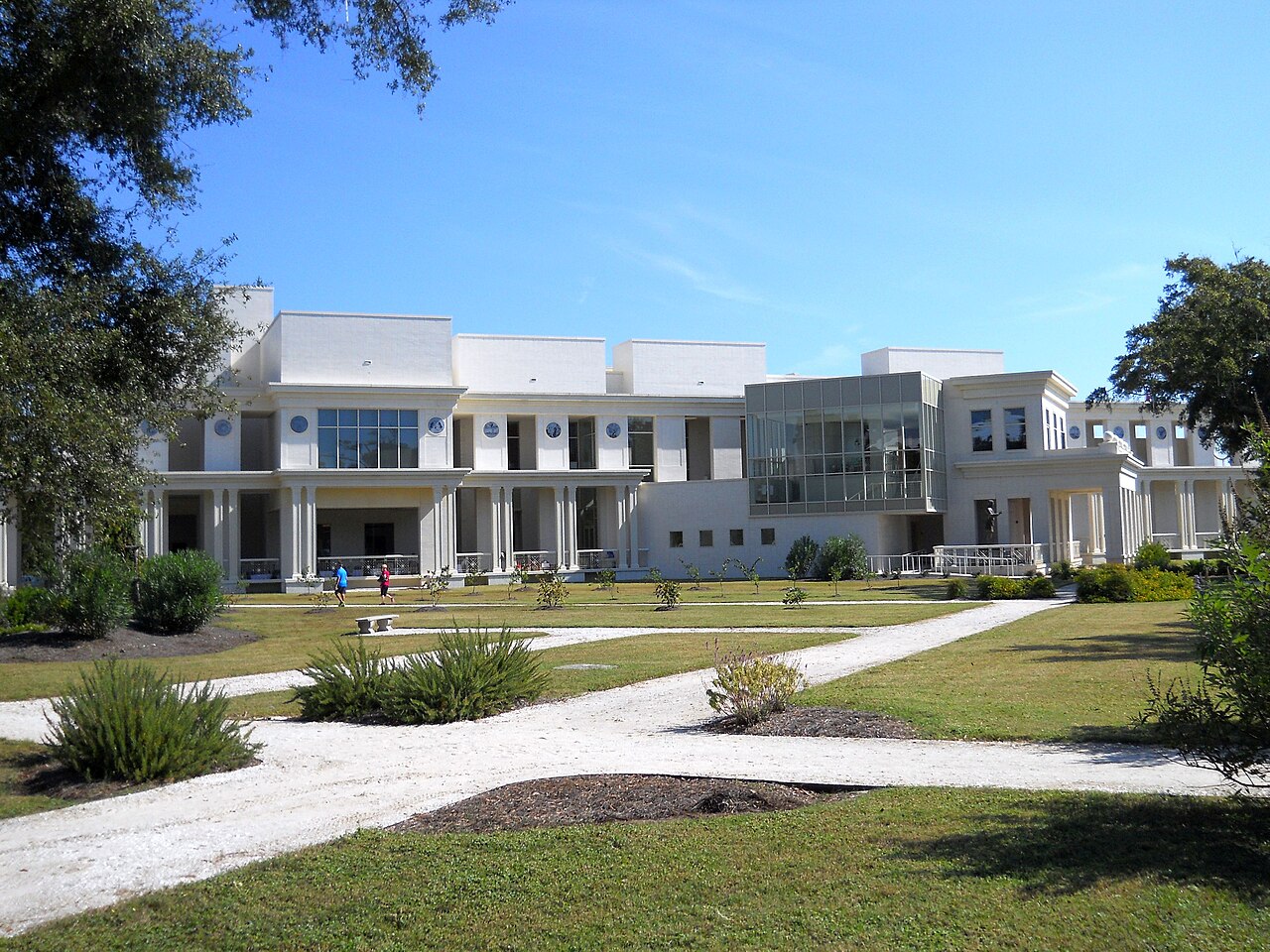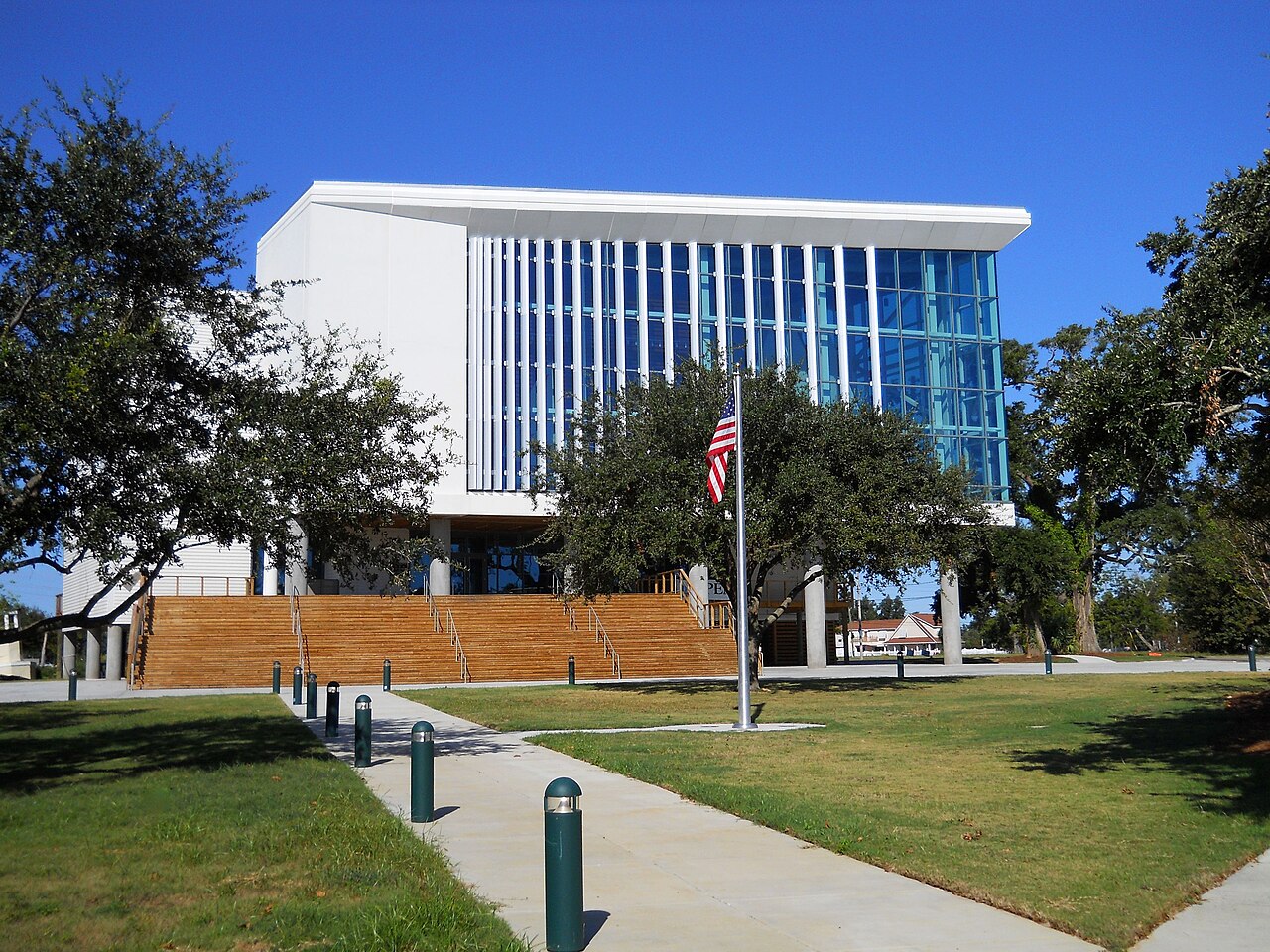
Before Biloxi was famous for casinos it was famous for seafood, and the Maritime and Seafood Industry Museum tells that story with unusual depth and warmth. Founded in 1986 and housed in a building at First Street near the Biloxi waterfront, it preserves the working history of the coast: the oyster and shrimp fleets, the canneries that packed the catch for the nation, the shipbuilders, and the families who made their living on the water. Many of those families were immigrants, including Croatians, French, Slavs and others, who found work on the Mississippi Sound and built communities whose descendants still fill the city's churches, restaurants and boat docks. The collection mixes boats, tools and photographs in a way that makes sense even if you know nothing about commercial fishing. Visitors see actual vessels and gear, historic photographs of oyster shuckers and shrimp-boat crews, and exhibits that explain how the canneries, the fleet and the weather were part of one fragile economy. Hurricanes are a recurring character: Camille in 1969 and Katrina in 2005 both reshaped the waterfront and wiped out parts of the industry and the museum itself, and the exhibits give a clear picture of what was lost and what was rebuilt.
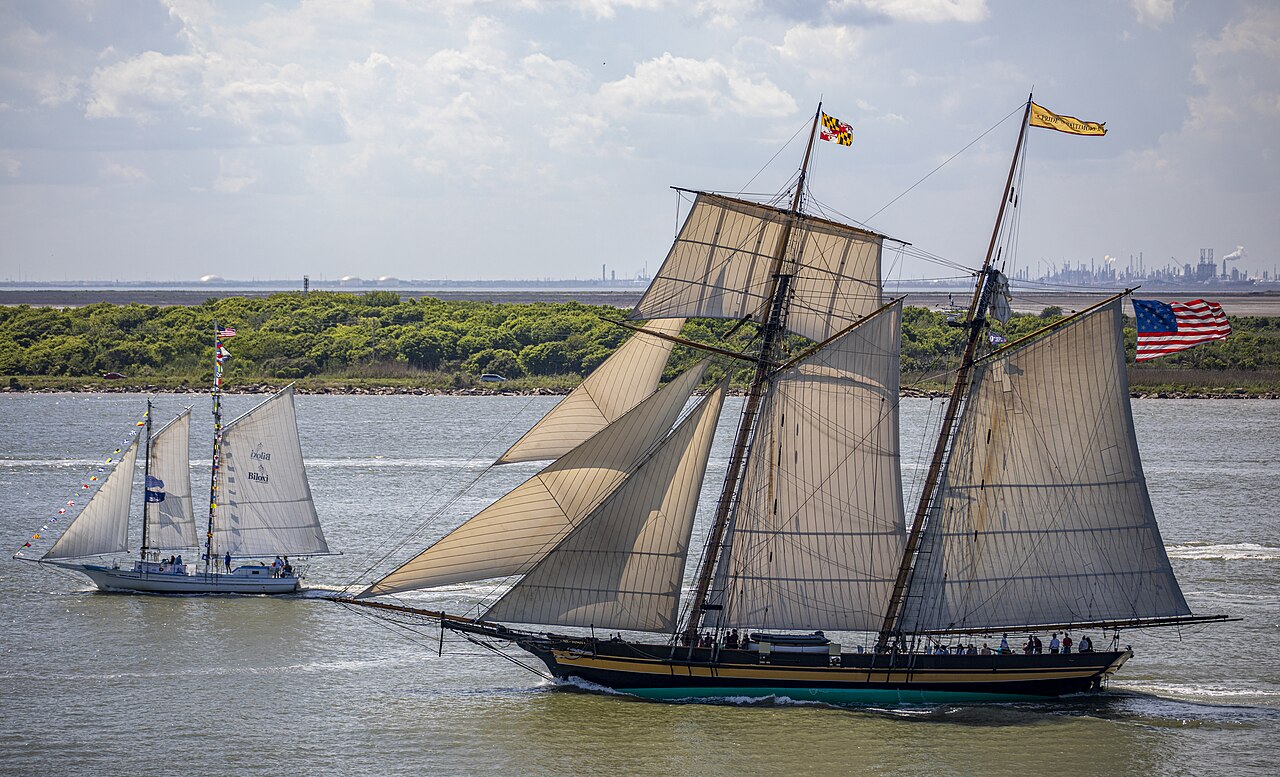
The museum is a particularly good fit for travelers who like to understand the place they are in. Spend an hour reading the stories, looking at the models and watching the short documentary-style displays, and the rest of your Biloxi trip will make more sense: the colorful shrimp boats in the harbor, the seafood restaurants, the old family names on street signs, and the schooner sails that depart from the nearby pier. The museum is also the organization behind the Biloxi schooner program, so the history you see inside connects directly to the boats you can sail on outside.
Practical details
The museum is generally open daily with shorter Sunday hours, and admission is modest, with discounts for seniors, military and students, so check the website for the current schedule and rates. Parking is available in a lot beside the building, and the location is walkable from the Ohr-O'Keefe campus and the lighthouse, which makes it simple to combine all three in a morning. Allow about an hour and a half if you like to read exhibits closely, and less if you are visiting with young children who will want to move quickly toward the boats and the harbor outside.
Families can use the museum as a hands-on introduction to the coast, especially before a Ship Island ferry ride or a shrimping trip. History enthusiasts will appreciate the depth of local detail and the focus on the working people rather than only the elites. Couples and solo travelers will enjoy the quiet, air-conditioned break on a hot afternoon.
If you only have time for one Biloxi museum, choose between this one and the Ohr-O'Keefe depending on whether your interest is the working waterfront or the artistic legacy; if you have time for both, they are a short walk apart and make a satisfying pair.
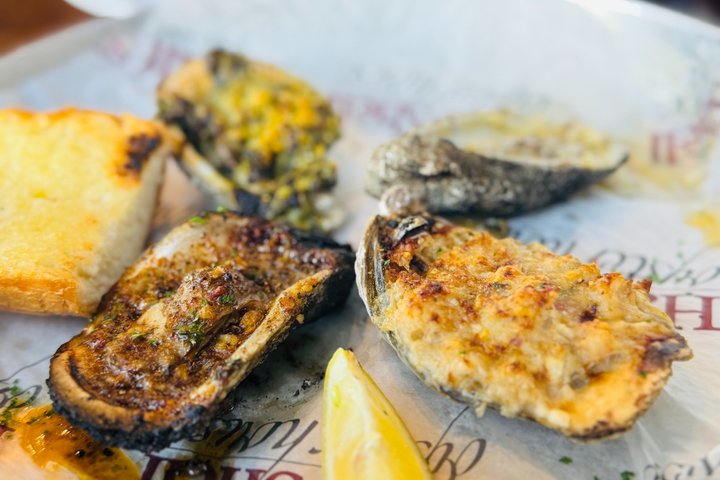
Pair the visit with a meal that proves the point: a plate of local shrimp or oysters tastes different when you have just learned how the fleets worked, how the canneries packed the catch and how generations of families adapted when storms and market swings upended the business. For children, ask the front desk about any trail sheets or small activities, and for adults who want more depth, the museum's staff and volunteers are usually glad to talk about the boats on display.
What to expect
The experience
A self-guided museum of Biloxi's fishing, canning and shipbuilding history, with boats, gear, photographs and hurricane stories.
Best time
Midday heat or a rainy afternoon. Open most days with shorter Sunday hours.
How long
About an hour to an hour and a half.
Tips
Read the immigrant-family stories first. Ask about schooner sail dates at the front desk. Walk to the pier and the Ohr-O'Keefe campus afterward.
Quick picks
- Best for
- Visitors who want to understand why Biloxi became a seafood town.
- Families
- Boats and photographs keep children engaged for an hour, and the harbor is outside.
- Couples
- A calm, air-conditioned stop before a seafood dinner.
- Pair with
- The Biloxi schooner sails, the Ohr-O'Keefe Museum of Art and Mary Mahoney's.
- Time needed
- Around ninety minutes.
Good questions
What does the museum cover?+
The history of Biloxi's seafood industry, including oyster and shrimp fishing, canneries, shipbuilding, immigrant families and the hurricanes that shaped the waterfront.
When was it founded?+
The museum was established in 1986 to preserve the maritime heritage of Biloxi and the Mississippi Gulf Coast.
Is there parking?+
Yes, free parking is available in a lot beside the building.
How does it relate to the schooners?+
The museum operates the replica oyster schooners that sail from the nearby pier, so the history inside links directly to the boats outside.
Is it worth it with young children?+
Yes, for an hour or so. The boats, tools and photographs are visual, and kids can burn energy at the harbor afterward.