Food in Bocas del Toro is shaped by the sea, the coconut palm and the cacao tree. The Afro-Antillean communities that settled the islands brought a cooking style built on coconut, spices and fresh fish, and the surrounding farms add chocolate, fruit and coffee. Add a scene of dock bars and beach shacks, and eating here is as much a part of the trip as the boat days. This guide covers what to try, where to look and how to eat well without wasting time.
Coconut-spiced Caribbean cooking
The tourism board highlights coconut-spiced dishes as a hallmark of Afro-Caribbean cooking in Old Bank on Isla Bastimentos, and you will find the same flavors across the archipelago. Expect fish and shellfish simmered in coconut, rice cooked with coconut milk, plantains fried or mashed and a good deal of heat from local peppers. Octo, an Afro-Caribbean restaurant on Isla Colon, is named by the tourism board as one place to try the style. Lunch at a small local spot in Old Bank is another way to taste it, and it supports the community directly.
Fresh seafood
Fish arrives daily, and the simplest meals are often the best: grilled fish with rice and salad, ceviche, shrimp and lobster in season. Ask what was caught that day, and be aware that lobster has a closed season in some months, so check with the restaurant rather than assuming. On boat tours, lunch stops at beach restaurants usually serve fried or grilled fish, and cash is the norm.
Chocolate and cacao
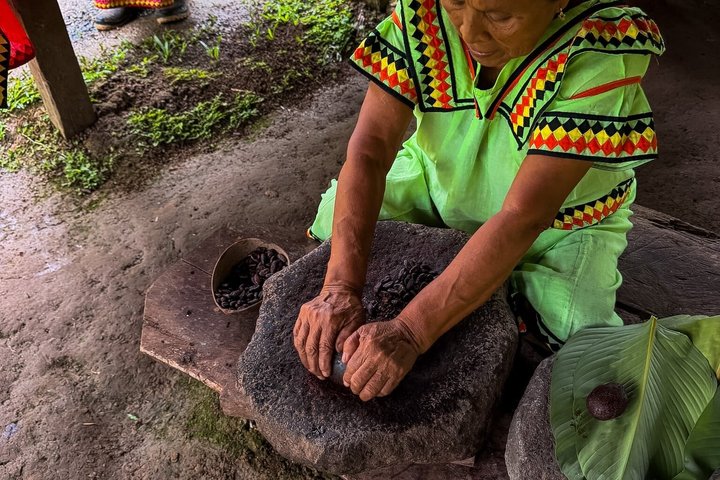
Cacao is a quiet part of life in the islands, and farm visits are the best way to taste it. The artisanal cacao tour on Isla Cristobal walks you through harvest, fermentation and chocolate making, and the Dolphin Bay, chocolate farm and snorkel tour adds a tasting to a boat day. Community-led visits to Ngabe-Bugle villages may include a cacao workshop as well. Buy chocolate directly from the makers, which gives you the freshest bars and puts the money in local hands.
Dock bars and sunsets
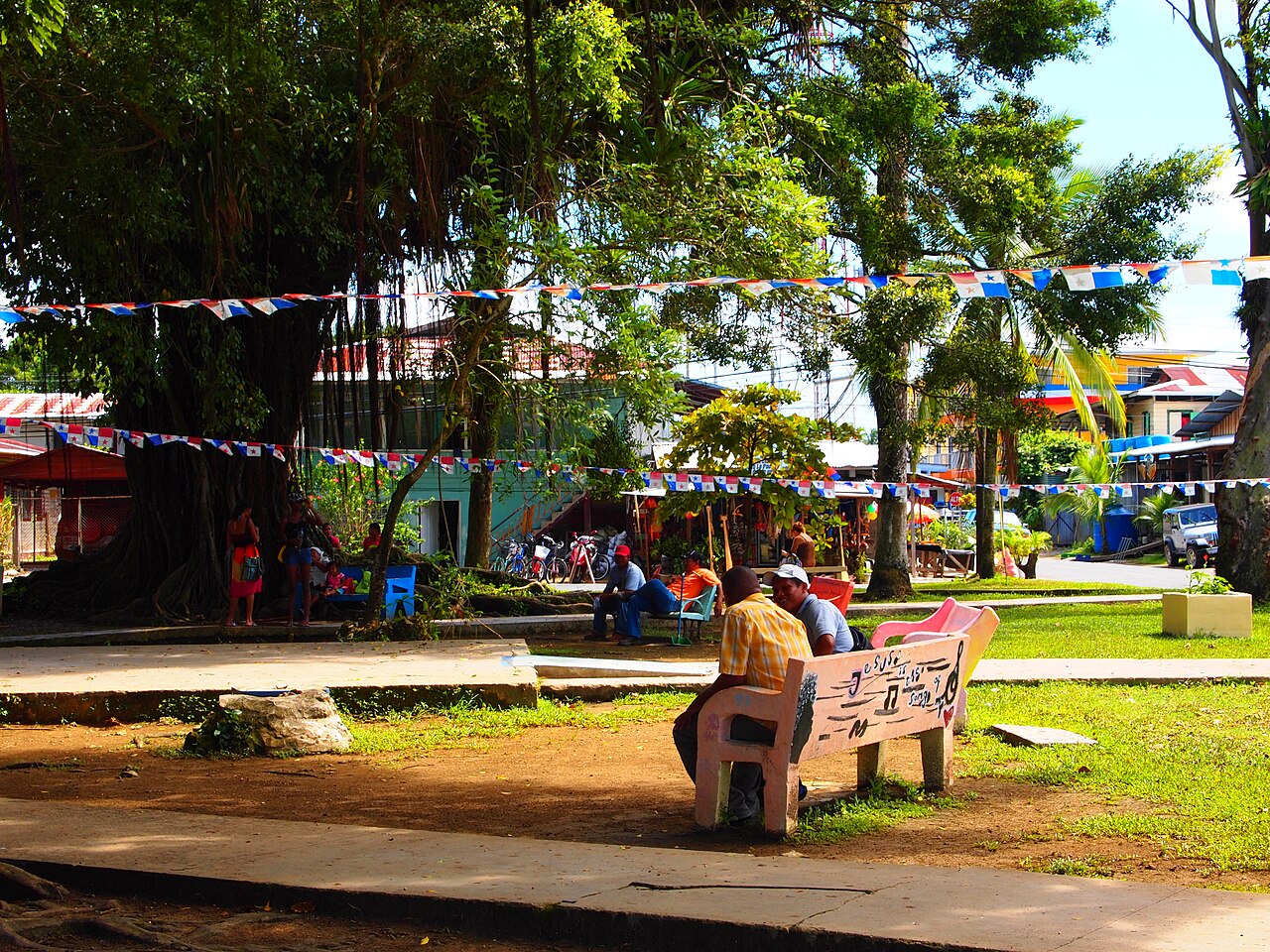
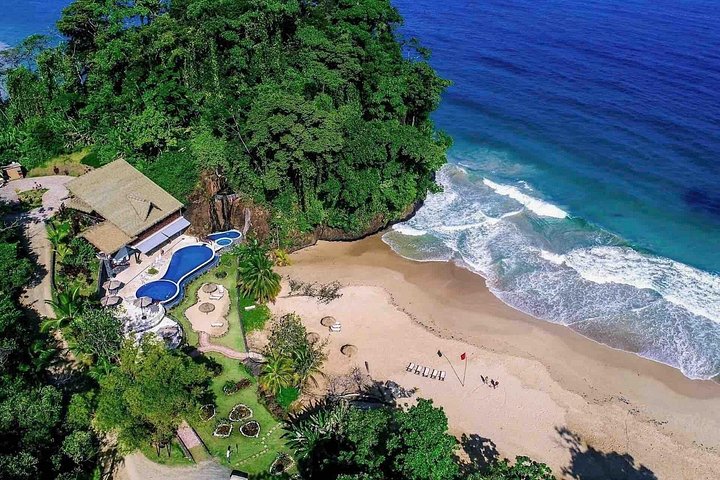
The tourism board describes beaches and dock bars as island-hopping stops with local drinks and views, and the description fits. A sunset on a dock on Isla Carenero is a classic, as is a drink on the Bocas Town waterfront. Near the central hotels you will find a cluster of places, including Pier 19 Restaurant and Bar, La Buga Cafe, El Ultimo Refugio, The Pirate Bar, Cocina Exotica Bar and Grill, Mana Bar, Tequila Republic and Island Tap House, all within a short walk of the middle of town. Menus and opening hours change, so ask your hotel which are busy that week.
Coffee, breakfast and quick bites
Cafes in Bocas Town serve breakfast and strong coffee early, which helps on boat mornings. Several hotels include breakfast, among them Hotel Palma Royale and Hotel Bocas Town, and others serve it for a fee. Bakeries and street stalls sell sweet and savory snacks if you need something to carry on a boat. Dosha Organic Cafe, near Playa Bluff, is a good stop for healthy options if you are staying on the beach side.
Practical tips
Carry cash, since small restaurants, beach shacks and water taxis may not accept cards. Service can be slow, which is part of island life, so build time into meals before a boat departure. Drink bottled or filtered water, ask for ice only where the water is safe and bring snacks for long tours, because lunch is not always included. Tell the kitchen about allergies and vegetarian needs in advance, since menus can be fish-heavy.
Eating on tours
Several boat tours include lunch or a stop at a restaurant, while others leave meals to you. Check the details when you reserve, bring cash for extras and pack water and a snack. Vegetarians and travelers with allergies should tell the operator ahead of time.
Where to stay for food
Staying in Bocas Town puts you steps from the best concentration of restaurants and bars, so Hotel Palma Royale, Gran Hotel Bahia and Klika Bocas del Toro are all well placed. Beach lodges and island resorts tend to rely on their own restaurants, which are convenient but can be pricier, so bring snacks and plan boat dinners in advance.