Bocas del Toro is a Caribbean archipelago in the tropics, so there is no single perfect month. Showers can pass through at any time of year, the sea changes from week to week and what you want from the trip matters more than the calendar. Beach days, boat tours, surf and wildlife each have their own windows, and a flexible plan helps more than a perfect date. This guide explains the seasons and how to match them to your priorities.
Settled weather: February to April and September to October
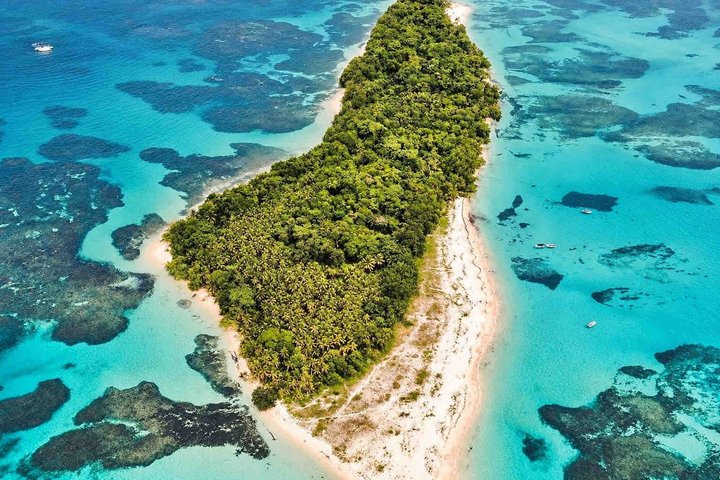
Travelers often name these periods as the best for calm seas and sunshine, and they are the safest choice for boat days, snorkeling and beach time. Visibility on the reefs tends to be better after dry spells, and the water around Zapatilla and the northern beaches is usually at its clearest. Because they are popular, book hotels and key tours early, especially around holiday weeks.
Surf season: December to March, with a smaller season in June to August. The main surf season brings the most consistent swells, and Playa Bluff and the Isla Carenero reef breaks come alive. Experienced surfers will enjoy the power, while beginners should look at the gentler waves at Boca del Drago or Red Frog Beach and take lessons. The smaller season in June to August brings softer waves that suit learners and intermediates. In big swell, boat tours can be rougher, so keep a flexible day.
Wetter stretches
Rain tends to be heavier during parts of the late year and again in midsummer, but the pattern is not reliable, and showers are often short and followed by sun. A wet spell can reduce reef visibility and make trails muddy, but it also brings fewer visitors, greener forests and often lower hotel rates. If you travel in a wetter stretch, pack a light rain layer, a dry bag and a flexible attitude, and reserve boat days late enough in your stay to choose the best weather.
Sea turtle nesting
Sea turtles nest on island beaches through much of the middle of the year, with different species peaking at different times. A conservation tour is the most responsible way to see this, and the experience depends on luck and the season. Ask the operator what to expect for your dates, and remember that sightings are never guaranteed.
Boat days and the sea
Calm mornings are best for crossing open water to Zapatilla, Dolphin Bay and Bird Island. Wind often picks up in the afternoon, so choose a morning departure and avoid scheduling a boat day on a travel day. Several tours are non-refundable, so check the forecast and the cancellation terms before you pay. Captains may change a route if the sea is rough, which is a safety decision rather than a failure of service.
Wildlife
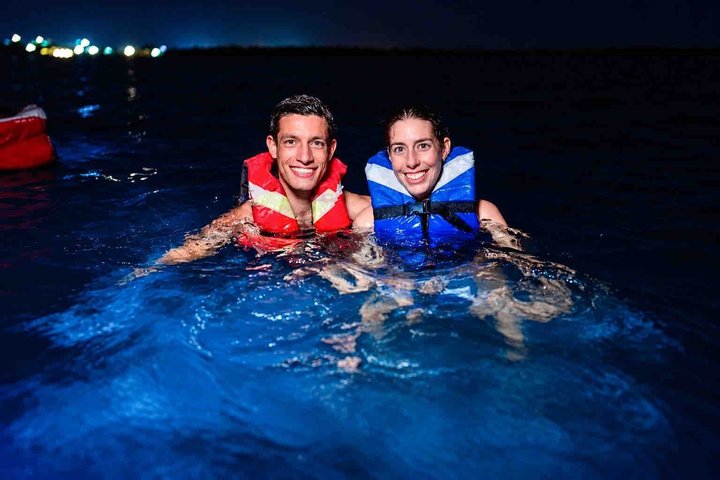
Dolphins at Dolphin Bay, starfish at Starfish Beach and seabirds on Bird Island can be seen through most of the year, though the details vary. The bioluminescence snorkel works best on dark nights, so ask the operator about moon phases. Birdwatching is rewarding in the early morning, and forests are at their greenest after rain.
Crowds and prices
Peak periods include holiday weeks and the settled-weather months, when the best hotels and popular tours sell out. Shoulder periods offer good value with fewer people on the beaches. If you have flexibility, aim for the edges of the settled seasons and book key tours early.
What to pack
Pack a light rain layer, reef-safe sunscreen, a hat, a dry bag, water shoes, insect repellent and a rash vest. A small amount of cash in small bills is useful for water taxis, park fees and beach restaurants.
A simple rule
If you want guaranteed calm seas, aim for February to April or September to October. If you want waves, come between December and March. If you want to see sea turtles, plan for the middle of the year and talk to a conservation operator before you book. And wherever you land, keep one day in reserve for weather. Remember that a trip in a wetter stretch can still be wonderful: mornings are often clear, afternoons are good for a long lunch and the islands look their greenest. Flexibility matters more than any single month.