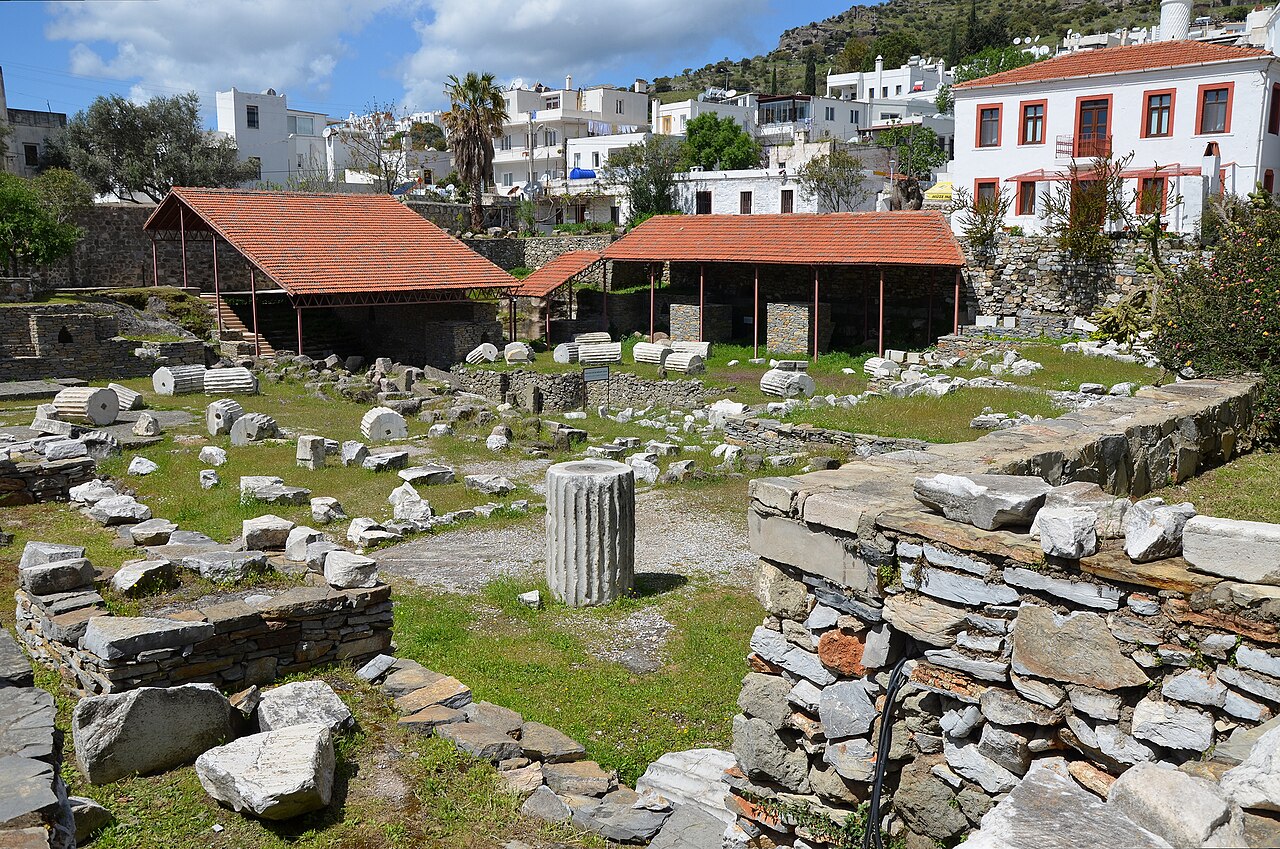
Stratonikeia and Lagina sit inland in the Muğla countryside, and they reward travellers who want ruins without queues. Stratonikeia was a major city of ancient Caria, and what makes it unusual is its layering: Hellenistic and Roman monuments stand alongside the abandoned houses and mosque of a later Ottoman village, so you can see a theatre, a gymnasium and a bouleuterion beside old stone homes, a mosque beside a church. The effect is less a museum than a town that stopped. Lagina, a short drive away, was the sacred precinct of Hekate, the goddess associated with magic, thresholds and the night, and it was the centre of a great festival in antiquity. Its monumental gateway and the platform of the temple, set among trees, give the site a calm and slightly mysterious mood. The small-group half-day tour collects you from your hotel or the port, visits Stratonikeia, breaks for lunch at a local restaurant near springs, and finishes at the sanctuary. It runs about five hours and the group is capped at a few people, which makes it intimate and flexible.
What you gain over a coach excursion is time and quiet. The tour is built around a live English-speaking guide and a small vehicle, and the pace is closer to a private visit. Lunch and drinks are paid separately, so budget for the meal, and treat the restaurant as part of the experience rather than an interruption. The drive from the Bodrum peninsula takes a while, but the half-day format keeps the whole outing manageable compared with the long coach days to the famous sites further north.
At Stratonikeia, allow time to wander rather than follow a fixed route. Look for the main colonnaded street, the ruined theatre and the stone houses of the later village, and read the way the inhabitants reused ancient blocks in their own walls. The ground is uneven and there is little shade in summer, so wear closed shoes and bring water and a hat. At Lagina, the highlight is the gateway frieze and the temple platform, and the guide can explain the festival and the cult of Hekate in a way that signs alone do not.
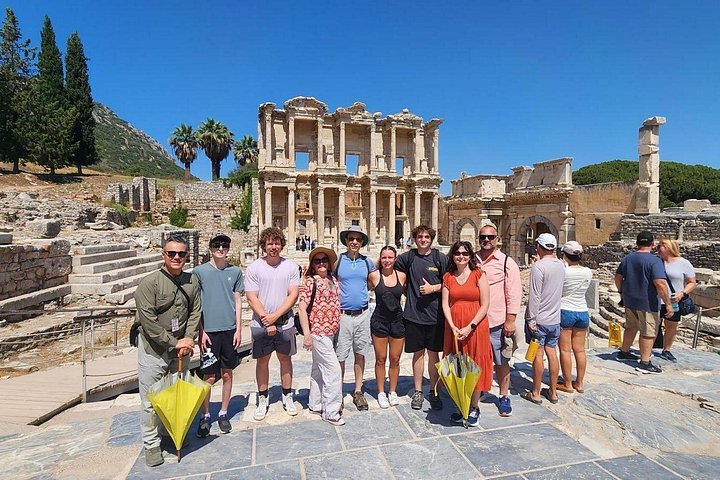
This is the right pick for travellers who have already seen Bodrum Castle and the Mausoleum and want a deeper sense of ancient Caria, or who prefer quiet places. It also works well in spring and autumn, when the countryside is green and the heat is moderate. If you are short on time or want the full classical spectacle of marble streets and libraries, the Ephesus excursion in our other entry is the bigger name, but this one is the more atmospheric half day. A few practical notes help the day run smoothly.
Mobile coverage and facilities in the countryside are simpler than in Bodrum, so bring cash, water and any medication you need, and ask the guide about toilets before leaving the lunch stop. Photographers should plan for the soft light of late morning among the stones, while those who like history should read a little about Caria beforehand, because the guide can then spend time on the stories rather than the basics. Cancel and reschedule terms are flexible up to a day before, which makes the tour easy to move around the weather.
What to expect
The experience
A small-group half-day tour with transfer, a live English-speaking guide, a walk through the ruins of Stratonikeia, a local lunch near springs and a visit to the sanctuary at Lagina.
Best time
Spring and autumn are ideal for the open countryside. In summer choose the morning start and bring sun protection.
How long
About five hours door to door, including the drive.
Tips
Wear closed shoes for uneven stone, carry water and a hat, and budget separately for lunch and drinks.
Quick picks
- Best for
- Travellers who prefer quiet, atmospheric ruins to crowded headline sites.
- Families
- Best for older children who enjoy exploring; the ground is uneven and shade is limited.
- Couples
- A small private-feeling group and a mysterious sanctuary make a calm, shared half day.
- Pair with
- A hamam or a sunset meal in Gümüşlük afterwards.
- Time needed
- Half a day, about five hours.
Good questions
How long does the tour take?+
About five hours, including the transfer from your hotel or the port, the ruins, a lunch break and the visit to Lagina.
Is lunch included?+
No. Lunch and drinks are paid separately at a local restaurant, so bring some cash or a card.
Who was Hekate?+
A goddess of magic, thresholds and the night. Lagina was her great sanctuary in Caria, with a festival that drew pilgrims from the region.
Is it suitable for children?+
Older children usually enjoy it, but the ground is uneven and there is little shade, so it suits active families.
How does it compare with Ephesus?+
Ephesus is larger and more famous, and a much longer day. Stratonikeia and Lagina are quieter, closer and more atmospheric, and need only half a day.