Bogotá is a city of comfort food and surprises. The highland climate calls for soups, stews and hot drinks, the tropical regions send in fruit and spices, and a wave of new cooks and cafés has made the capital one of the most interesting food cities in South America. This guide explains what to order, how to taste it and how to fit it into a trip.
Start with the classics
Ajiaco is the dish most associated with Bogotá, a creamy chicken and potato soup served with corn, capers and cream, and it is made for a cool day. Tamales, wrapped in banana leaf, are a weekend breakfast tradition. Arepas, made from corn, come plain, stuffed or topped with cheese. Try changua, a milk and egg soup eaten for breakfast, and bandeja paisa if you find it, a large platter of beans, rice, meat and plantain more associated with other regions but available in the capital.
Hot chocolate with cheese
It sounds strange, but dropping a piece of fresh cheese into a cup of hot chocolate is a Bogotá tradition. The cheese softens and turns stringy, and you scoop it out with a spoon. A bread roll on the side completes the mid-afternoon ritual. La Candelaria's cafés serve it in colonial courtyards.
Taste the fruit
Colombia's markets are full of fruit that rarely travels, including lulo, granadilla, curuba, gulupa, tamarillo and mamoncillo. Paloquemao market is the best place to taste, because vendors offer samples and cooks serve breakfast at counters. A guided tour helps you choose ripe fruit and understand what you are eating. Go in the morning, wear closed shoes and carry small bills.
Coffee, properly
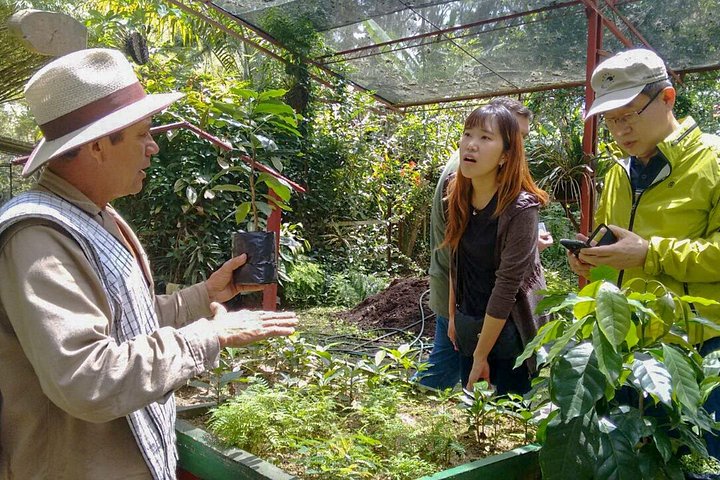
Colombia grows some of the world's best-known coffee, though most of it comes from regions outside the capital. In Bogotá, specialty cafés roast and brew with care, and a tasting workshop on a food tour explains the differences between regions and methods. For a deeper look, a coffee farm day trip shows you the plants, the processing and the cup. Ask for a tinto if you want a simple small black coffee in the local style.
Learn with a guide
A food tour of the old center is the fastest way to learn the menu, because it introduces dishes, snacks and drinks in one walk, with context about their history. If you prefer a market focus, join the Paloquemao tour. Both work well on your first or second day, before you eat on your own.
A night out
For a lively dinner, Andrés Carne de Res in Chía is the famous party restaurant, with grilled meats, music and dancing. For something quieter, try a restaurant in Zona G or Parque de la 93, where chefs work with Colombian ingredients. Tejo, the national sport, is often played with beer and snacks and makes a fun, social evening. Aguardiente, the anise-flavored spirit, is the local drink of celebration, and it comes with toasts.
Eating well at altitude
Alcohol hits harder at 2,640 meters, so go gently on the first night and drink water. Heavy meals can feel slow at altitude, so lighter lunches and bigger dinners work well for many travelers. If you have dietary requirements, tell your guide or server clearly. Vegetarian options exist, though many traditional dishes are meat-based, and larger restaurants cope well with allergies.
A sample food day
Begin with a market breakfast at Paloquemao, spend the late morning at the Gold Museum, have ajiaco for lunch in La Candelaria, take a coffee workshop in the afternoon and finish with dinner in Zona G or a table at Andrés Carne de Res if you have a group and an appetite.
Staying near the food
If dining matters most, stay in Zona G or Chapinero, where the restaurants cluster and evenings feel calm. If museums matter most, stay in La Candelaria and take a taxi to dinner.
Snacks and street food
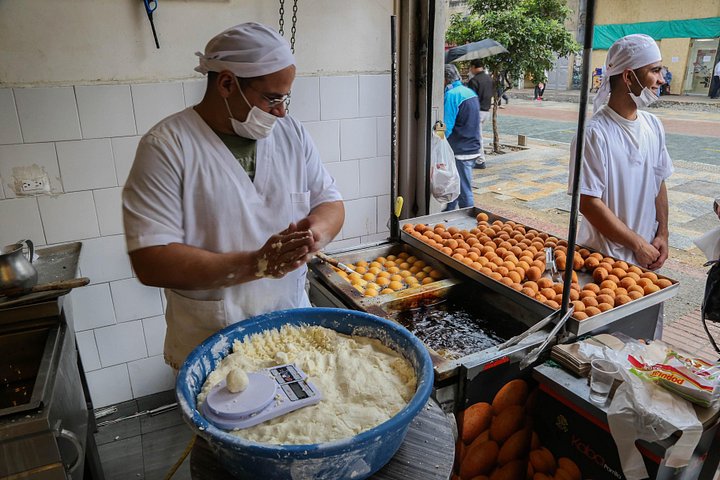
Between meals, look for empanadas, buñuelos and almojábanas, small fried and baked cheese breads that make a cheap, filling snack with a coffee. Obleas, thin wafers filled with caramel, are a sweet treat from street carts. Fresh juices made from lulo, mora or maracuyá are everywhere, and many vendors will make them with milk or water on request. Stick to busy stalls with a steady stream of locals, carry small bills and ask the price first. If your stomach is sensitive, drink bottled water on the first day, and eat fruit that you can peel yourself.