Three days is the sweet spot for a first visit to Bogotá. It is long enough to see the headline sights at an altitude-friendly pace and short enough that you do not need to rush. The city is big and traffic is heavy, so this plan groups sights by area. Each day has one main theme, a flexible afternoon and a sensible evening.
Before you start
Give yourself a gentle first day, because the city sits at about 2,640 meters and many people feel a little breathless at first. Drink plenty of water, eat lightly on the first night and carry a light jacket and a small umbrella, since sun and rain can alternate within an hour. Book Monserrate and any day tours a few days ahead, and check the weekly closing days of the museums, because several close on Mondays.
Day one: the historic center
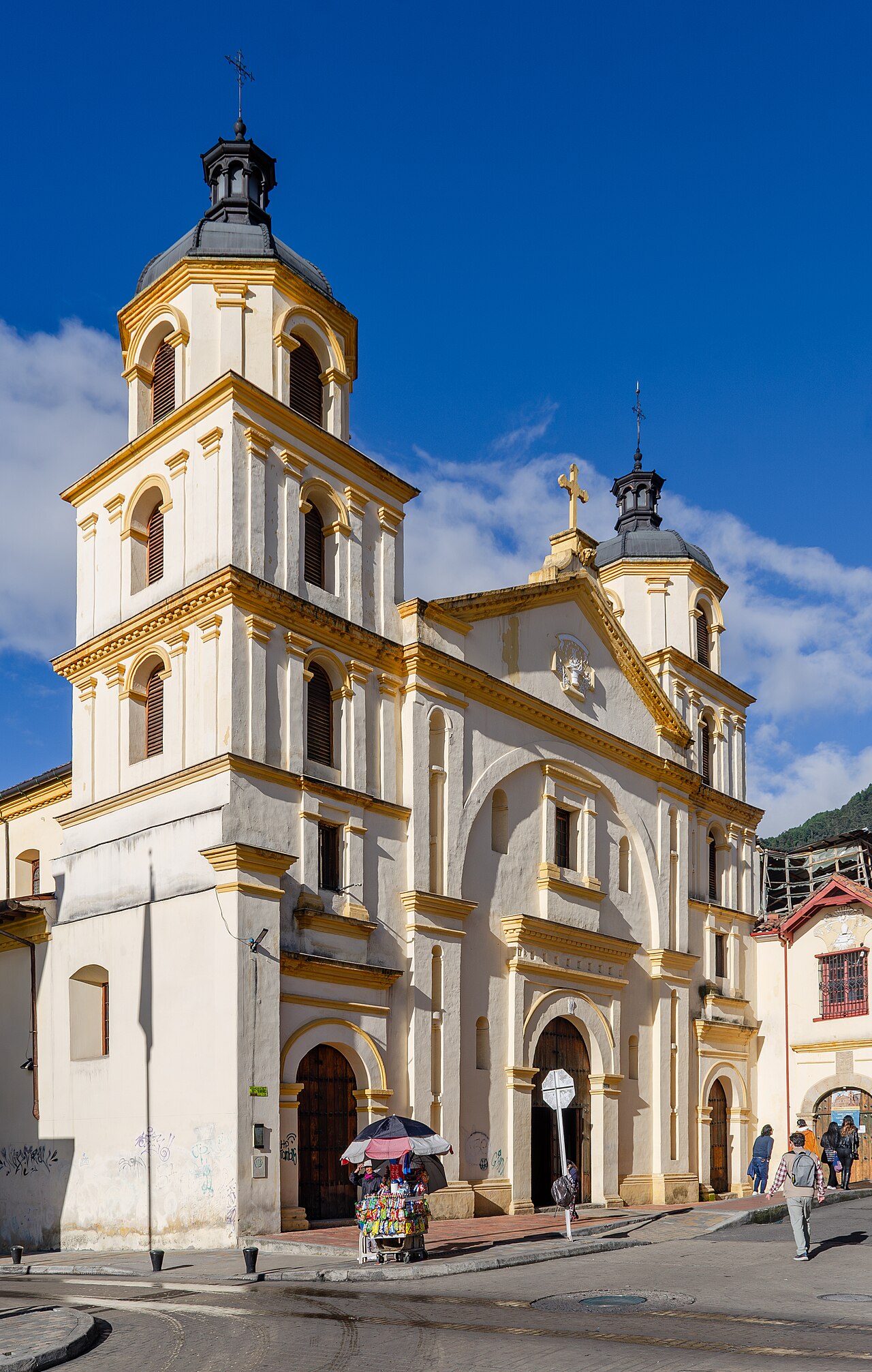
Start at the Gold Museum when it opens, ideally on a weekday, and give it about two hours. Walk to the Botero Museum, which is free, then wander into La Candelaria for lunch in a courtyard café. In the afternoon take the La Candelaria walking tour or the graffiti tour, which explain the plazas, the colonial houses and the murals that are easy to walk past alone. Finish with a hot chocolate on Calle del Embudo and take a taxi or ride app back to your hotel after dark rather than walking quiet lanes.
Day two: the view and the market
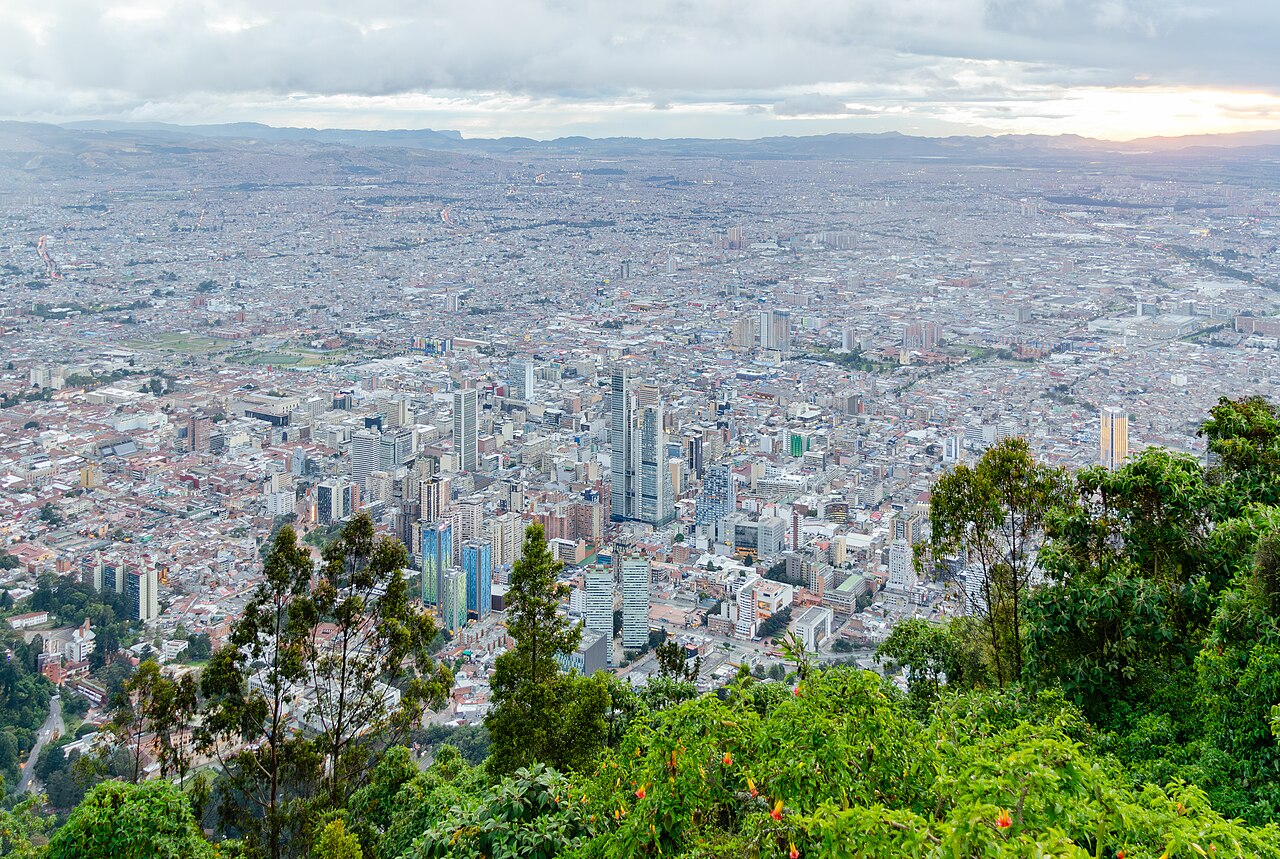
Spend the morning on Monserrate. Go on a clear morning for the sharpest views, ride the funicular or cable car, and leave the steep walk up for a later trip when you have acclimatized. Come down for an early lunch, then head to Paloquemao market for fruit tasting and a late-morning snack, or swap it for the food tour if you prefer a guide. If you have energy left, visit the National Museum in the afternoon for the story of Colombia in a former prison building. This is a good day to use a taxi between stops, because the sights are spread out.
Day three: a day beyond the city
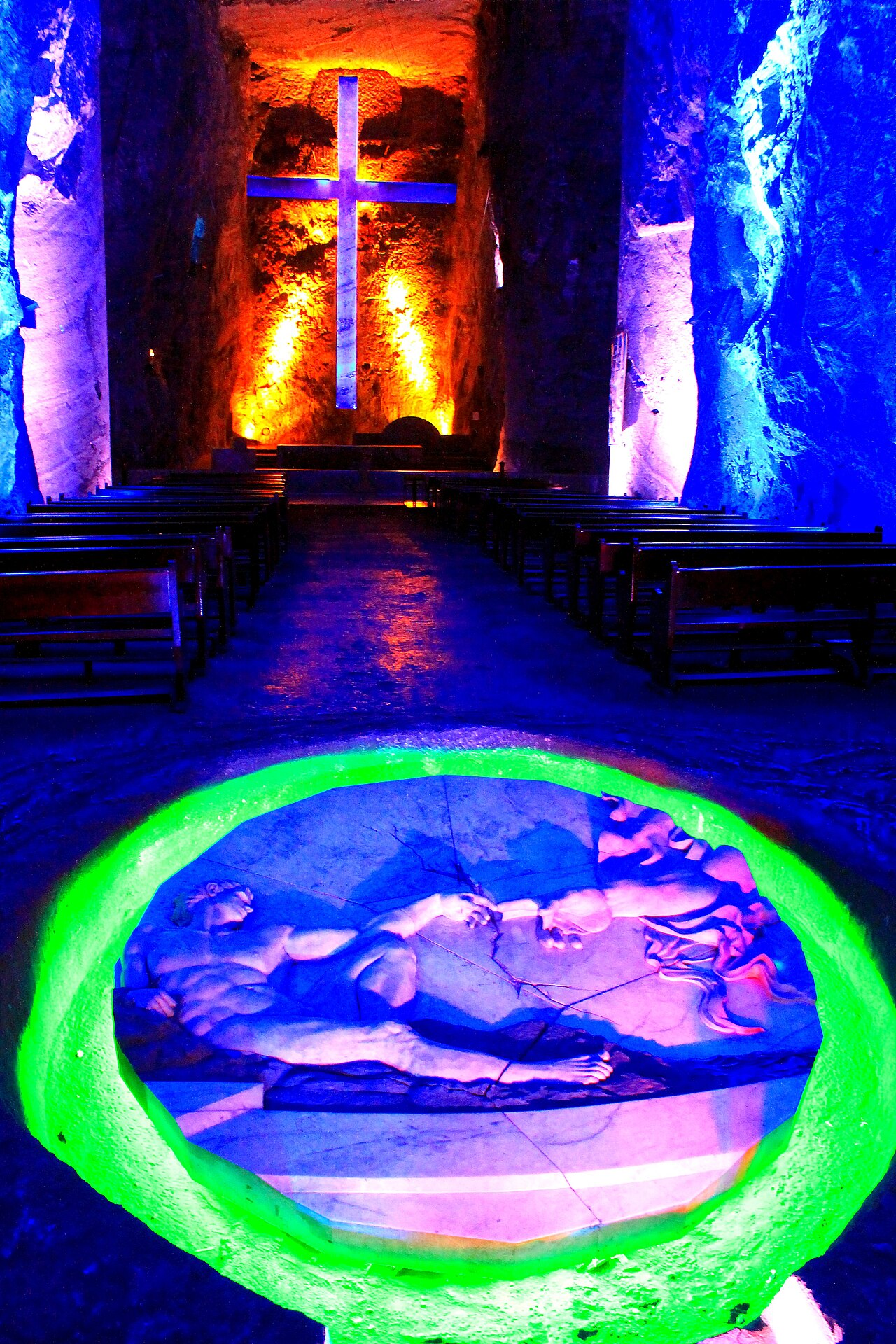
Choose one. The Zipaquirá Salt Cathedral and Lake Guatavita combine well in a single long day and pair the Muisca legend with the underground church. A coffee farm day suits food lovers and travelers who want a rural pace. If you prefer something green and nearby, the Botanical Garden or a bike ride in Simón Bolívar Park is easier on the legs. Whatever you choose, plan an early start and a quiet evening, because most day trips return after dark.
If you have a fourth day
Add Villa de Leyva for a colonial town, a morning at the Botanical Garden, or a cloud-forest walk at Chicaque. If you have only two days, keep La Candelaria with the Gold Museum and Monserrate, and choose the Salt Cathedral only if you can stretch.
Getting around
Taxis and ride apps are the easiest way to cross the city. Traffic can be heavy at rush hour, so allow extra time and avoid scheduling anything tight at the start or end of the working day. The old center is best on foot. Public buses cover longer routes but are crowded and confusing for first-timers.
Eating along the way
Try ajiaco, a chicken and potato soup, hot chocolate with cheese, tamales and arepas. Save one evening for a proper dinner in Zona G or Chapinero, or for a lively night at Andrés Carne de Res if you want a party. A tejo evening is a fun, social alternative.
Staying safe
Bogotá is a large city and petty theft happens. Keep your phone out of sight, carry only what you need, use registered taxis or a ride app after dark and keep to busy streets in La Candelaria. The usual care applies in markets and on crowded transport.
Where to base yourself
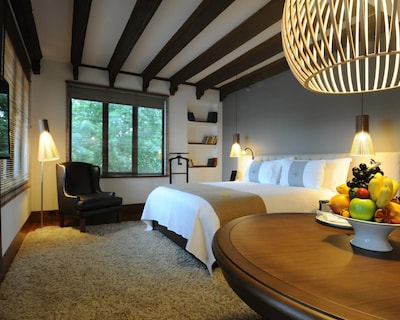
For this plan, La Candelaria is the most convenient if you want to walk to the museums, while Zona G or Chapinero suits travelers who value restaurants and calm evenings and are happy to take taxis. Check the where-to-stay guide to choose.
Pacing tips
Resist the urge to add one more sight each day. Bogotá's distances and traffic are the real limit, and a slower plan with a long lunch and a rest in the middle of the day usually leaves you happier than a packed schedule. Keep a flexible afternoon on day two in case the weather turns, because rain can make Monserrate disappointing and the museums a better choice. Carry a copy of your hotel's address in Spanish for taxi drivers, and keep some small bills handy for tips and market purchases.