The cholets of El Alto are one of the most surprising sights in Bolivia: towering buildings covered in neon colors, mirrored glass and bold geometric patterns inspired by Tiwanaku textiles and Aymara design. The name blends cholo, a term for the urban Aymara middle class, with chalet, because many include a penthouse apartment on the roof that looks like a fantasy Alpine house. The ground floors usually hold event halls used for weddings, birthdays and fiestas, while the middle levels are shops or rented spaces and the family lives at the top. They were popularized by the architect Freddy Mamani, and they are a statement of pride from a business-minded community that has built its wealth outside the old city elite.
A visit is best done with a guide, partly because many cholets are private and partly because the story behind them matters. Guides explain how the buildings reflect Aymara cosmology, with stepped Andean crosses, condors, mountains and textile patterns repeated in concrete, paint and glass. Inside, event halls glitter with chandeliers, mirrors and high ceilings, and a guide can often arrange a visit to one when it is not in use.
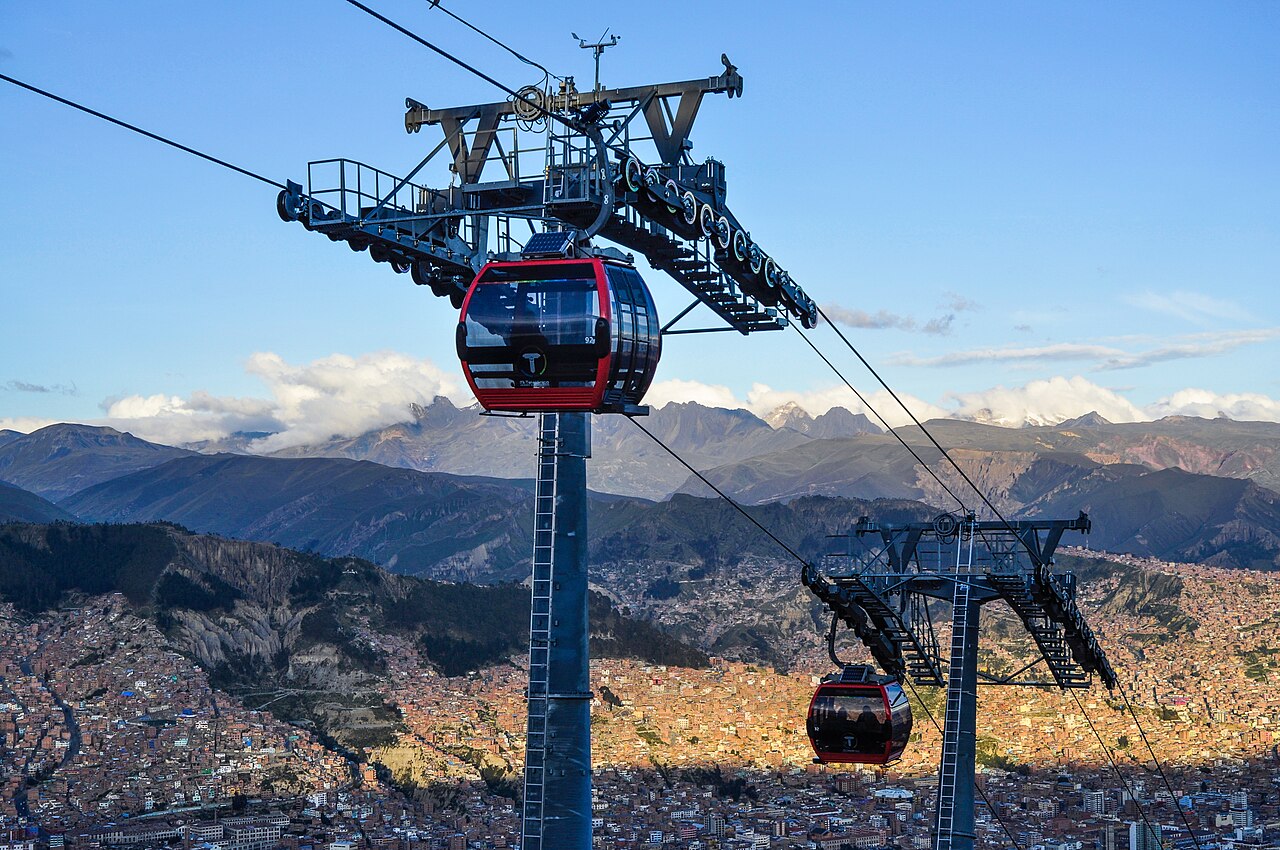
Without a guide you can still see the exteriors from the street or from the Mi Teleférico cable car, which glides over the district and gives a good overview of how the architecture rises above the surrounding brick houses.
Most tours combine the cholets with other parts of El Alto: a market, a viewpoint, a chance to see how the city has grown from a suburb into one of the largest in Bolivia, and sometimes a lunch in a local restaurant. The famous street market, held on set days each week, is one of the biggest open-air markets in South America and sells everything from spare parts and clothes to food and ritual items.
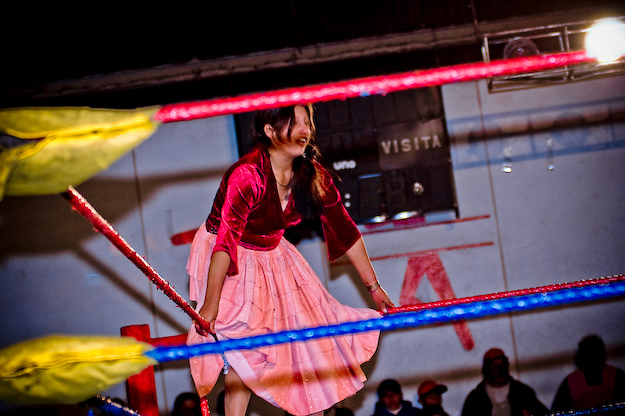
Ask your operator whether the tour passes through on market days, because it adds energy but also crowds. The cholita wrestling shows take place in El Alto too, so many travelers join the architecture tour in the morning and the wrestling in the afternoon.
Practical advice
El Alto sits on the plateau at around 4,000 meters, higher and colder than La Paz itself, so dress warmly and take it easy on the stairs. Photography is welcome of the exteriors, but ask before photographing people, and remember that these are homes and businesses rather than museums.
Keep valuables out of sight, carry only what you need and avoid wandering alone far from the main routes, as with any busy market district. Travel with a guide or an arranged taxi, especially after dark. Strikes and road blockades sometimes affect the city, so confirm plans on the day.
The cholets also say something about modern Bolivia. Many were funded by the trade networks and remittances of Aymara entrepreneurs, and their style draws a deliberate line between indigenous heritage and the Spanish colonial architecture of central La Paz. Seeing them alongside the colonial streets and the Witches Market gives a fuller picture of the country. The visit takes about half a day, fits easily between a morning at the cable cars and an afternoon wrestling show, and is a good choice for travelers interested in design, culture or photography.
What to expect
The experience
A guided half-day walk and drive around El Alto, viewing colorful cholet buildings, sometimes with a visit inside an event hall and a stop at a market or viewpoint.
Best time
Morning or early afternoon on a dry day, when the colors look brightest.
How long
About half a day including the transfer from La Paz.
Tips
Dress warmly for the altitude, ask before photographing people, keep valuables out of sight and go with a guide or arranged transport.
Quick picks
- Best for
- Design, photography and culture lovers who want to see a very different side of Bolivia.
- Families
- Fine for older children who enjoy colorful buildings, but the altitude and crowds can be tiring.
- Couples
- A distinctive photo stop that pairs well with a cable car ride at golden hour.
- Pair with
- Mi Teleférico, the cholita wrestling show and the Witches Market.
- Time needed
- Half a day.
Good questions
What is a cholet?+
A cholet is a colorful Andean-style building in El Alto, usually with an event hall on the ground floor and a penthouse home on top. The name combines cholo and chalet.
Who designed the cholets?+
Many are credited to the architect Freddy Mamani, whose style mixes Aymara motifs, bright colors and modern materials, though others have followed the trend.
Can I go inside a cholet?+
Sometimes. Guided tours may arrange a visit to an event hall when it is not in use, but many cholets are private, so exteriors are the main sight.
Is El Alto safe to visit?+
Visit with a guide or an arranged taxi, keep valuables out of sight and avoid wandering far from the main routes, particularly after dark.
How do I get there?+
Ride the Red line of the cable car up to El Alto or join a tour with transport from La Paz.