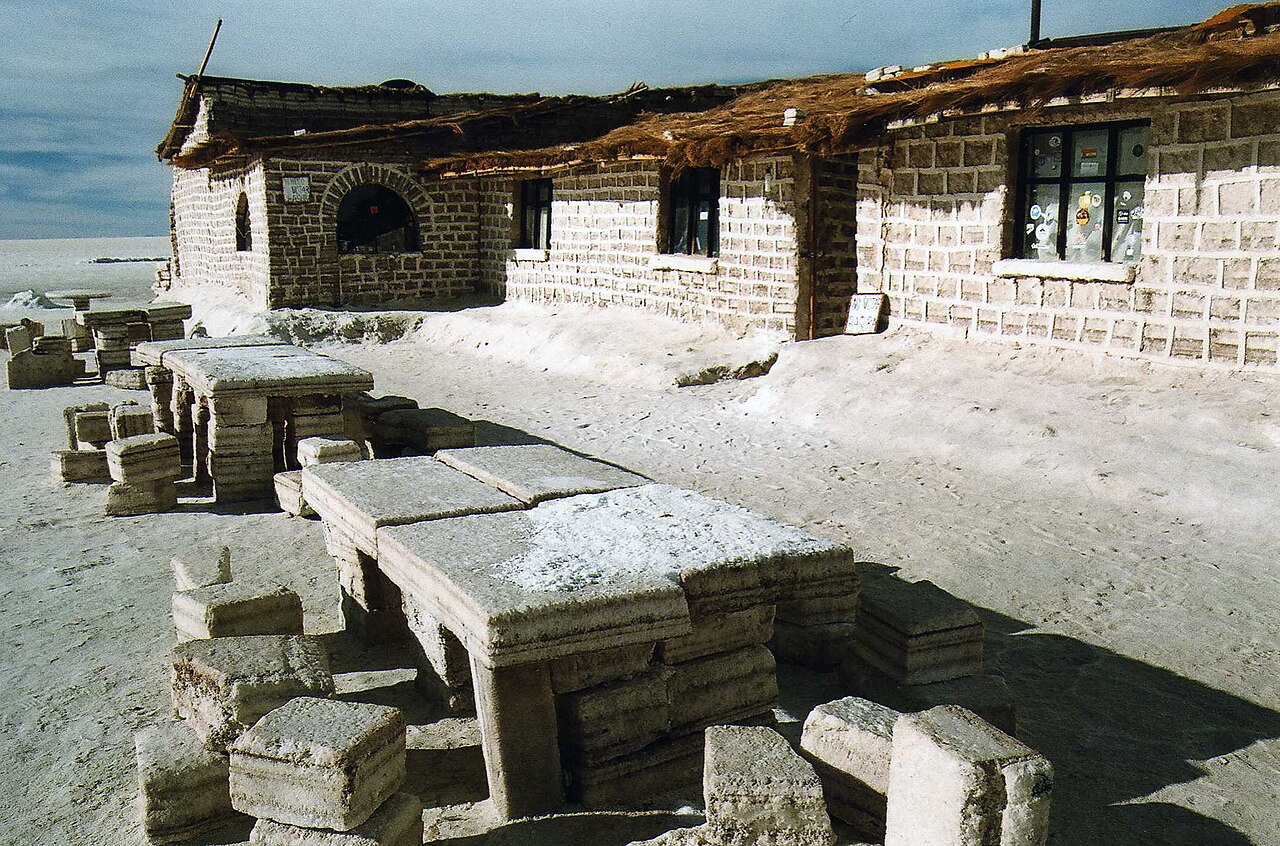
La Paz and Uyuni are two very different places joined by the same landscape: a high, dry, dramatic Andean plateau. La Paz is a canyon city of cable cars, markets and mountain views at around 3,600 meters, and Uyuni is a small desert town that opens onto the largest salt flat on Earth. Together they make the best first trip to Bolivia, and this guide covers what to book, how to move around and what to expect.
What to book ahead
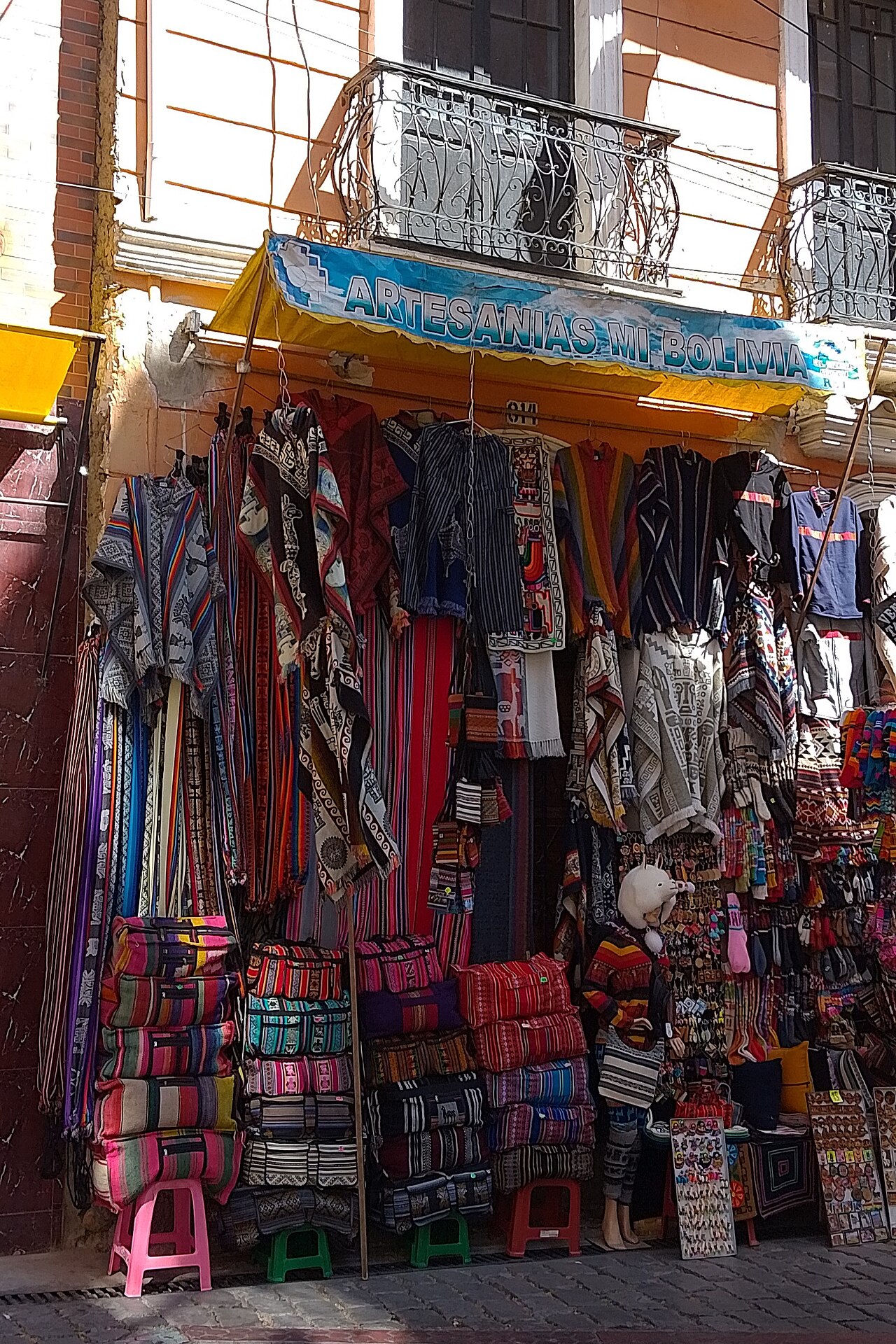
Book the big day trips before you arrive, especially in the dry season from May to October. The Death Road bike ride, the Lake Titicaca day trip to Copacabana and Isla del Sol, and a Tiwanaku tour all depart from La Paz and sell out in busy weeks. In Uyuni, choose between the one-day Salar tour and the three-day lagoons expedition, and book a few days ahead. Cholitas wrestling has set show days, so check the calendar. Everything else, from the cable cars to the Witches Market, needs no booking.
How many days
Allow three days in La Paz to adjust to the altitude and see the city: day one for the cable cars, the old town and the Witches Market; day two for Valle de la Luna or Tiwanaku; day three for a big excursion such as Death Road or Lake Titicaca. Add two days for Uyuni, with a night in town and a night at the salt flat edge, or four days if you do the three-day lagoons trip. A comfortable first trip is about six to eight days.
Getting around
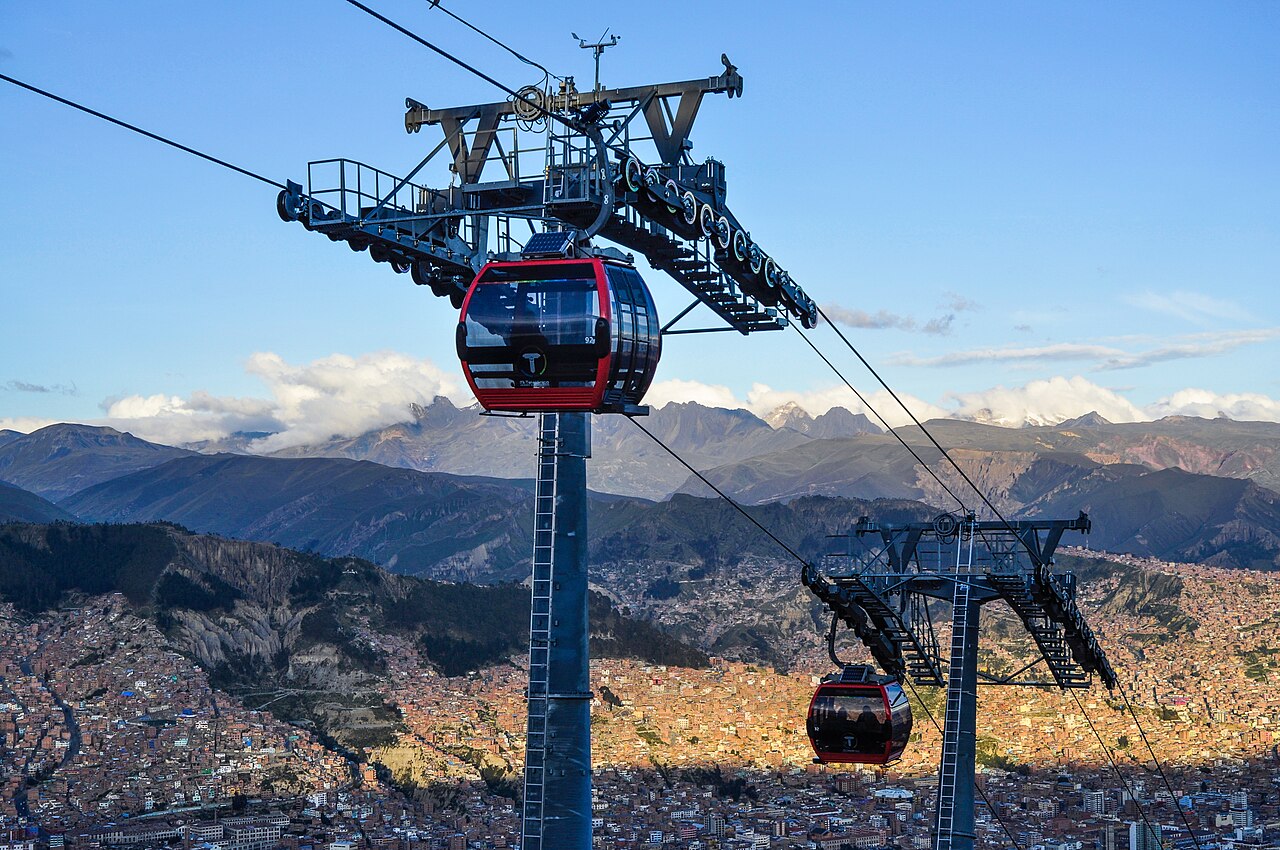
In La Paz, the Mi Teleférico cable cars are the fastest and cheapest way to cross the city, with color-coded lines linking the center, El Alto and the southern zone. For other trips, use taxis arranged by your hotel or radio taxis, especially at night. Between La Paz and Uyuni you can fly in about an hour or take an overnight bus of ten hours or more. Flights are faster and avoid the long road, though schedules change, so check ahead.
Altitude
La Paz sits at roughly 3,600 meters, and its airport at El Alto is higher still. Take the first day gently, drink water, avoid heavy meals and alcohol, and expect to feel breathless on stairs. Salt flat tours and the lagoons trip go higher still, with some nights above 4,000 meters, so talk to a doctor about altitude sickness before you travel. If you feel seriously unwell, descend and seek care.
Weather and seasons
The dry season from May to October is sunny, cold at night and best for roads and the Death Road ride. The wet season from about November to March brings rain, and December to March is the time for the mirror effect on the Salar de Uyuni. November, the month this guide was checked, is a transition month, so ask operators about current conditions.
Safety and current advice
The US State Department rates Bolivia at Level 2, Exercise Increased Caution, because of civil unrest and crime, and advises against travel to the Chapare region, which is Level 4. Demonstrations, strikes and road blockades can arise with little warning, block roads and disrupt flights and buses, so keep a buffer day before international departures and follow local news. Petty theft is common in tourist areas, and express kidnappings have been reported in La Paz, so use radio taxis rather than hailing cars on the street. Check your own government's latest advice before booking.
Money and practicalities
Carry bolivianos in small notes for markets, entry fees and tips, as cards are not accepted everywhere and cash machines can run dry. Bring layers, strong sunscreen, sunglasses and a hat, since the sun is intense and nights are cold. Download maps and tickets in advance, because internet is unreliable outside the main cities. Finally, leave time. Bolivia rewards flexibility, and a spare day can turn a blockade or a delayed flight into a minor inconvenience.