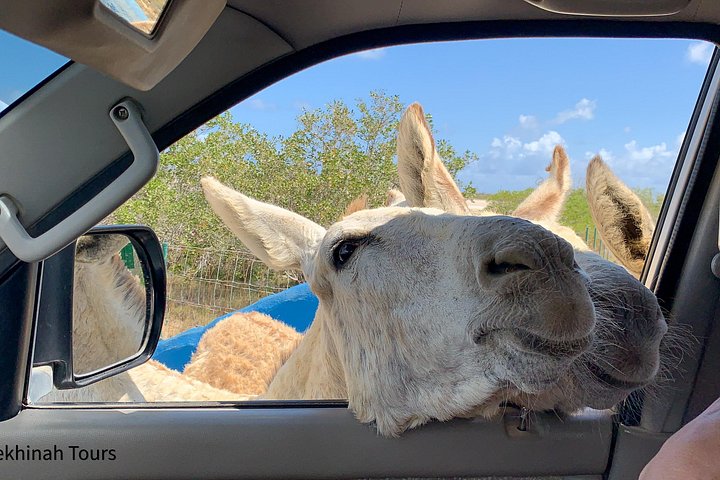
Donkeys have lived on Bonaire for centuries, and the Donkey Sanctuary Bonaire exists to give the island’s animals a sheltered, protected life. According to the Tourism Corporation Bonaire, Dutch nationals Marina Melis and Ed Koopman founded it in 1993 for sick, wounded and orphaned donkeys, and more than four hundred donkeys now live there with food, drinking water, medical care and plenty of room and freedom. The sanctuary also shares information about donkeys with the local community, schools and visitors, so a visit is partly an animal encounter and partly a lesson in how roaming donkeys came to be a problem and why rescue matters. Most people come for the simple pleasure of seeing so many gentle animals up close, taking photos and feeding them where permitted, and it is one of the most popular family-friendly stops on the island. It is quirky, genuinely charming and a good counterpoint to the reef-heavy parts of an itinerary. As visiting hours and any donation request can change, check the sanctuary’s own information before you go.
Why it works
It is warm, free of pressure and very easy. You do not need a plan, fitness or equipment, just time and a willingness to be followed around by affectionate animals. Children tend to love it, and for adults it is a pleasant half-hour or longer with a worthwhile cause. It also fits neatly into an island day, because it is easy to combine with other sightseeing stops.
What to know
The work of the sanctuary depends on support, so bring a donation if you can, and follow the rules about feeding, since donkeys can eat only suitable food and should not be given human snacks. Keep a respectful distance from animals that seem nervous, and watch small children around larger donkeys.
Wear sun protection and closed shoes, because the ground is dry and dusty, and expect the animals to be curious about bags and pockets. Check the sanctuary’s site or ask your hotel for current visiting hours, as the Tourism Corporation page does not list them.
Fitting it in
Pair it with a morning at the salt pans or a drive around the island, and keep a few small bills for any donation or small purchases. If you like animals and conservation, you can combine it with a visit to the Echo conservation centre for the island’s parrots. Wild donkeys also roam freely across the island, so drive carefully, especially at dusk, and give them space on the road. For many travelers it ends up among the most memorable and affectionate stops on the trip.
What to expect
The experience
A walk-in visit to a rescue sanctuary with more than four hundred donkeys, many of them friendly and curious.
Best time
Mornings are cooler for you and for the animals; check current visiting hours before you go.
How long
One to two hours is plenty for most visitors.
Tips
Bring sun protection, follow the feeding rules and consider a donation, because the sanctuary relies on support.
Quick picks
- Best for
- Families and animal lovers who want a gentle, memorable stop.
- Families
- One of the best child-friendly stops on the island; supervise children around larger donkeys.
- Couples
- A charming, low-key detour with plenty of photo opportunities.
- Pair with
- The southern salt pans or a drive around the island.
- Time needed
- Allow one to two hours.
Good questions
Is the Donkey Sanctuary free to visit?+
The Tourism Corporation page does not state a fee or opening hours, so check the sanctuary’s own information before you go. Bringing a donation is a good idea because it depends on support.
How many donkeys live there?+
The Tourism Corporation says more than four hundred donkeys live at the sanctuary. They are sick, injured and orphaned animals given a sheltered life.
Can I feed the donkeys?+
Follow the sanctuary’s rules about feeding, because donkeys should not be given unsuitable human food. Ask staff what is allowed.
When was it founded?+
It was founded in 1993 by Marina Melis and Ed Koopman, who are Dutch nationals. It has grown into a refuge for the island’s donkeys.
Is it suitable for young children?+
Yes, most children enjoy it, but supervise them closely around larger animals. Wear closed shoes and use sun protection.